Salishan Coastal Lodge & Winter Waters Newport
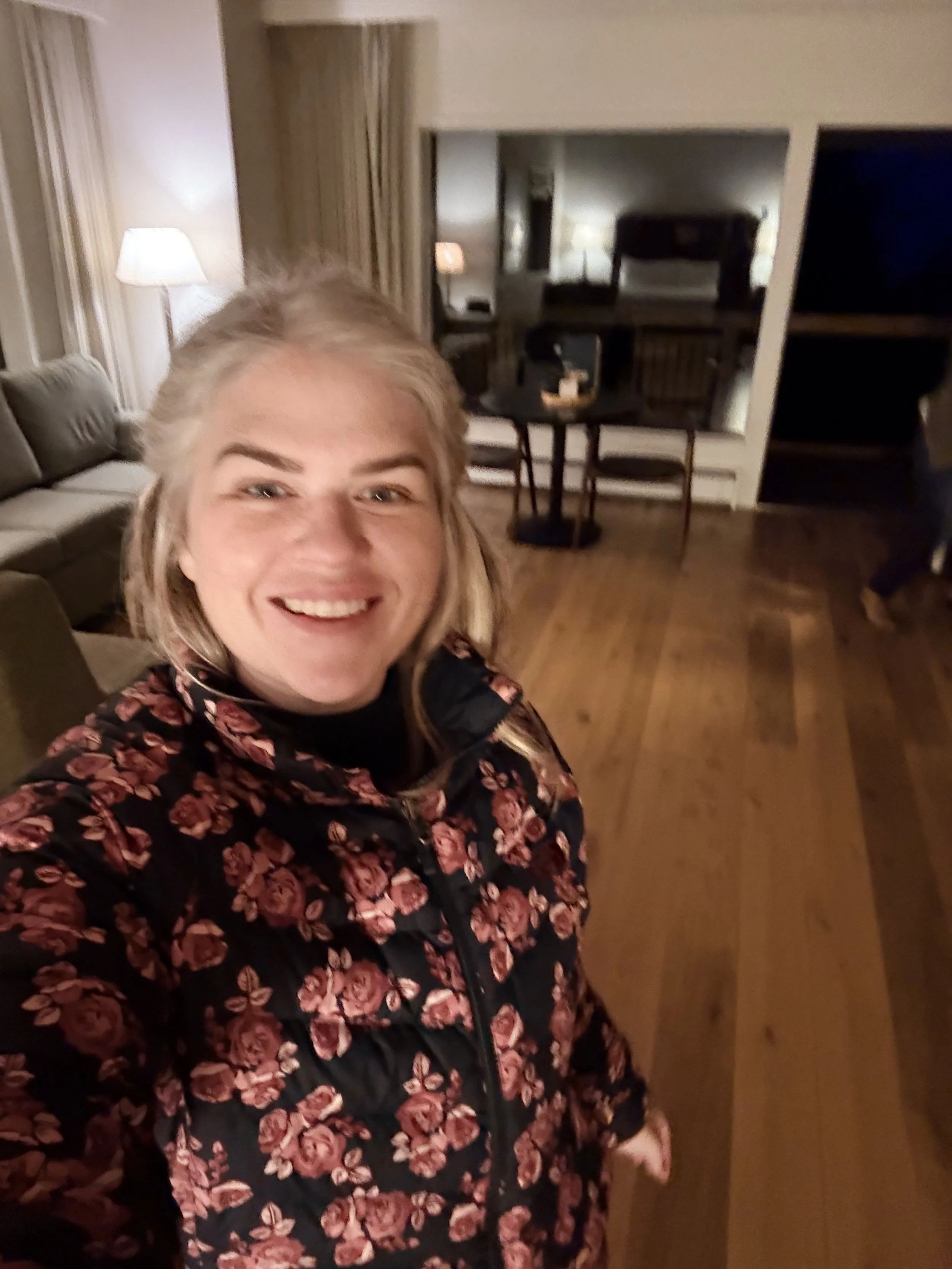
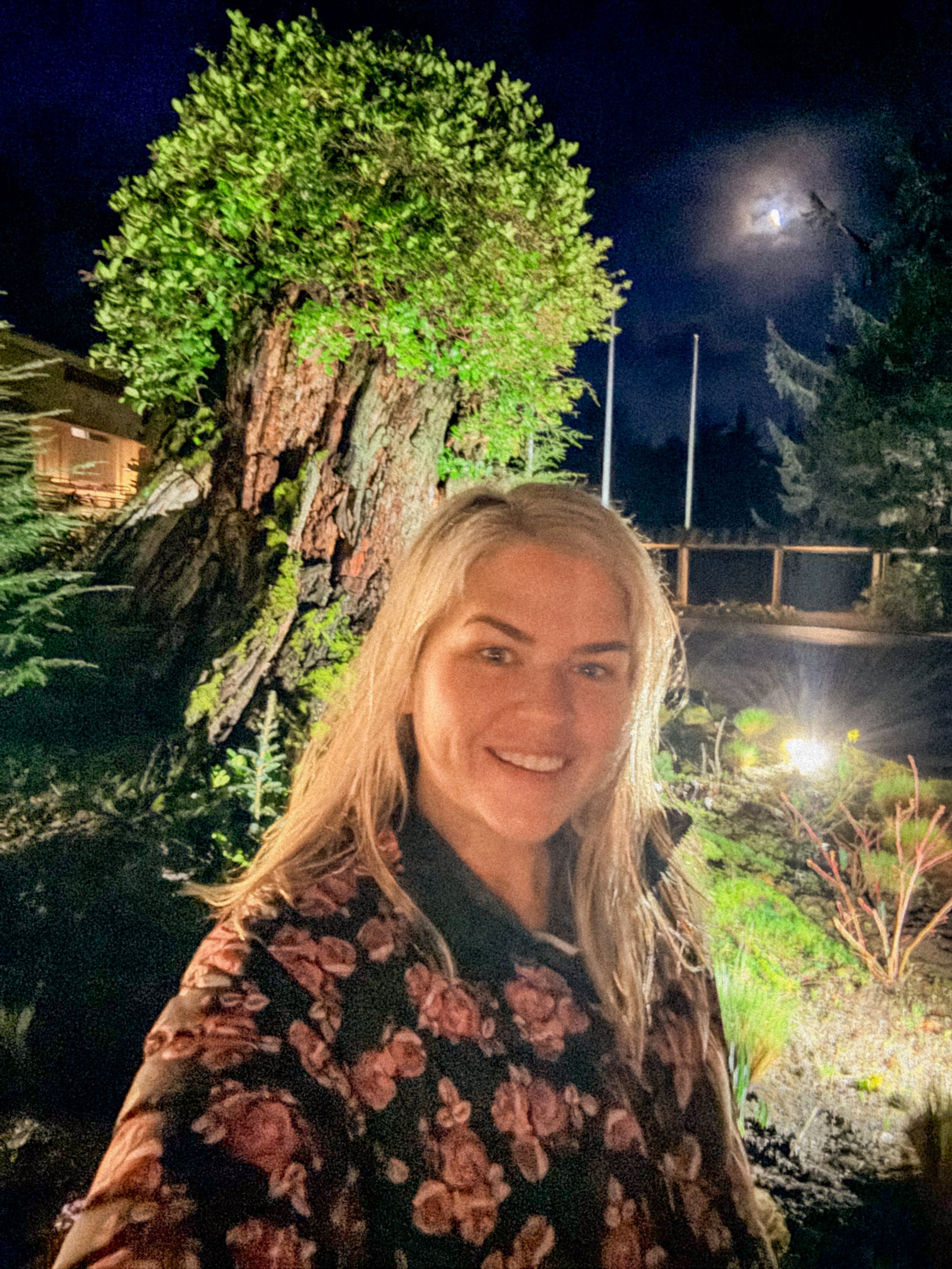
A dusk arrival to Premier room 330, overlooking The Siletz Bay at Salishan Coastal Lodge
Check In at Salishan Coastal Lodge
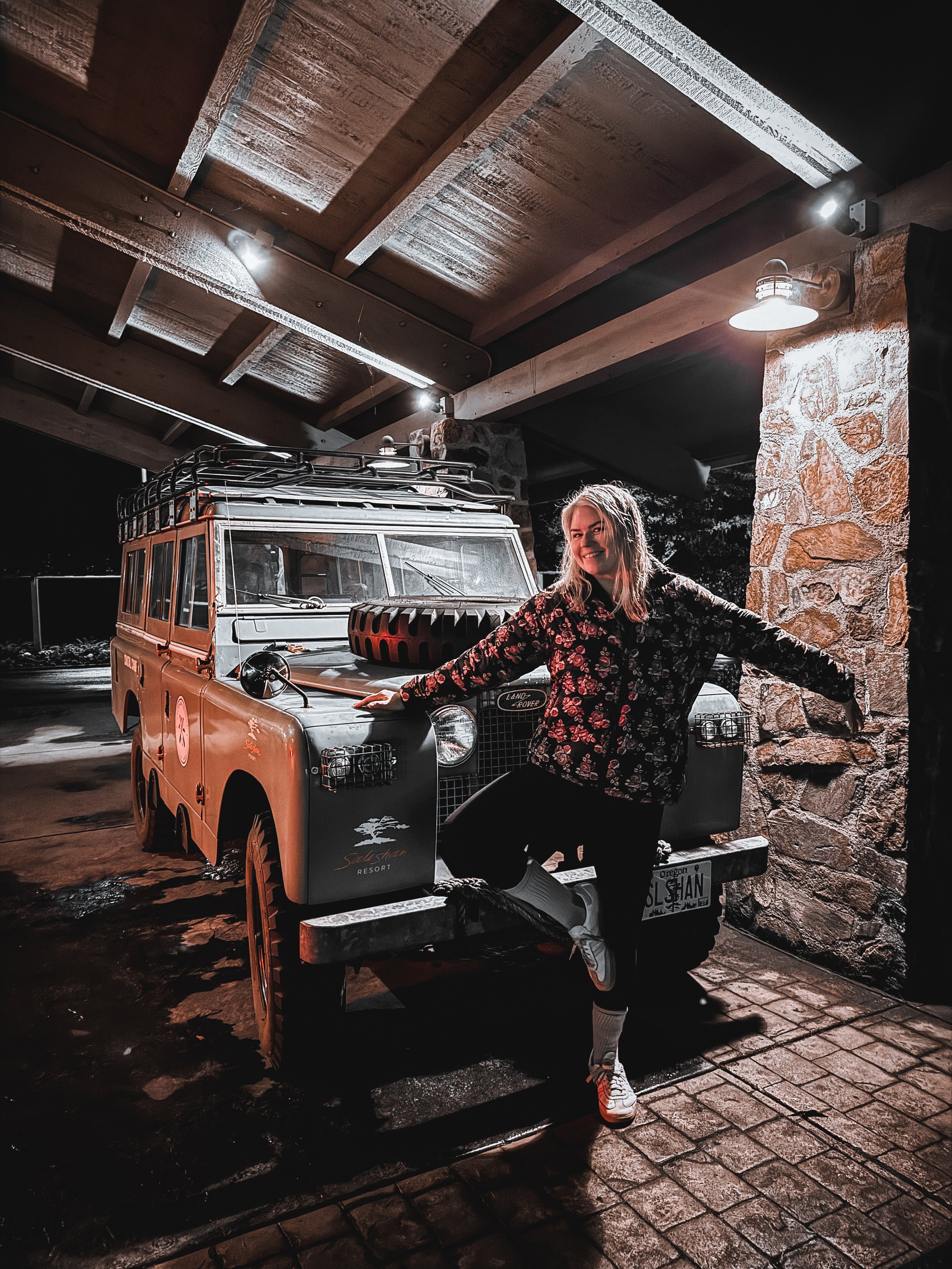
We arrived at Salishan Coastal Lodge at dusk after crossing Oregon from the high desert to the coast. The lodge sits on 200 acres above Siletz Bay, built in 1965 and designed to blend into the coastal forest and estuary rather than rise above it. Cedar buildings stretch low across the landscape. Tides move through the bay below. Winter holds the coast in mist, rain, and saturated earth.
We checked into Premier Room 330 overlooking the water, our base for the weekend ahead. I stood at the window watching the estuary, tracking birds, tide lines, and the quiet motion of winter ocean systems. I have always been drawn to marine life, and this trip centered on that pull.
We came to document Winter Waters in nearby Newport, a multi day coastal event focused on seaweed, fisheries, marine science, and the working ocean community that depends on these waters.
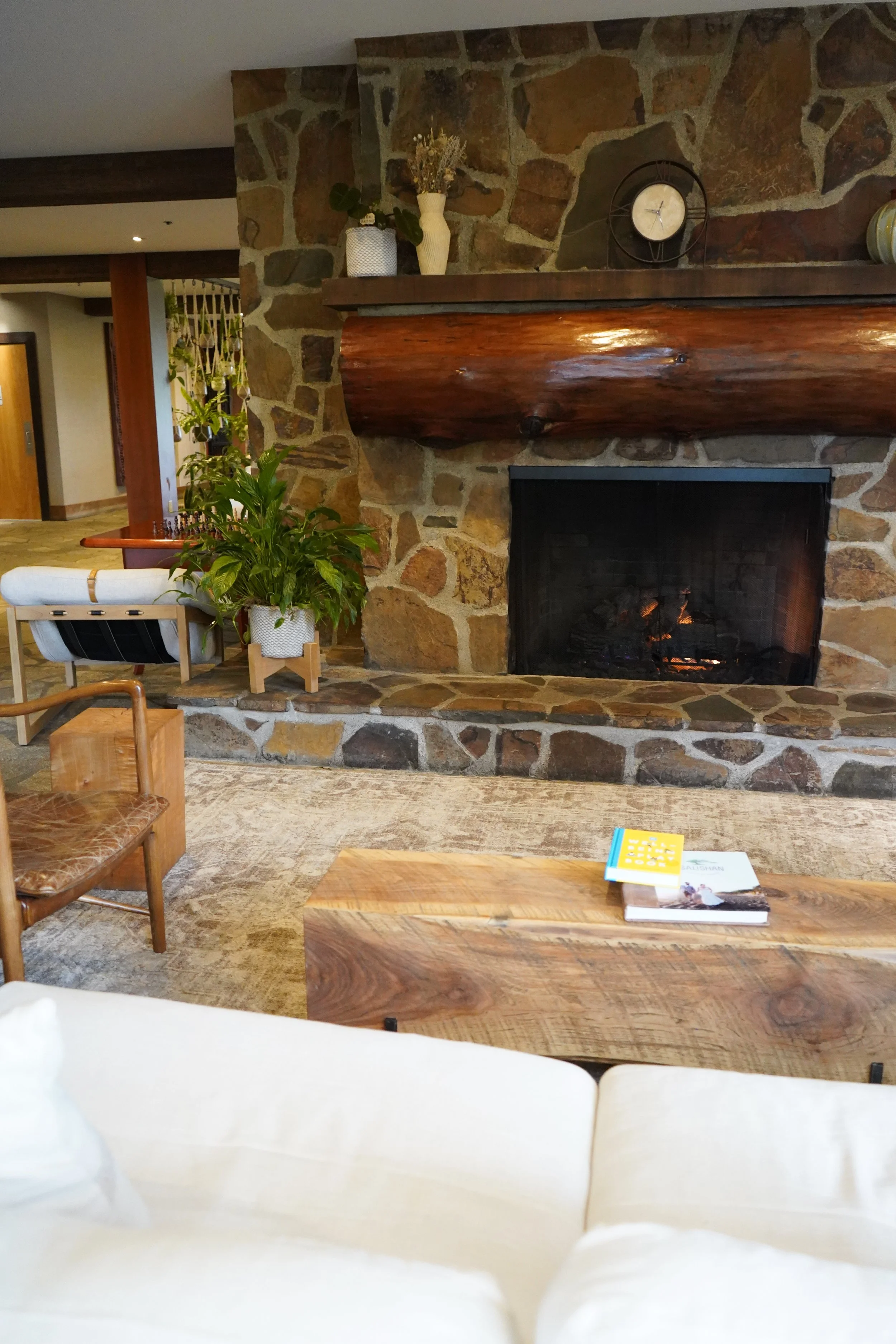
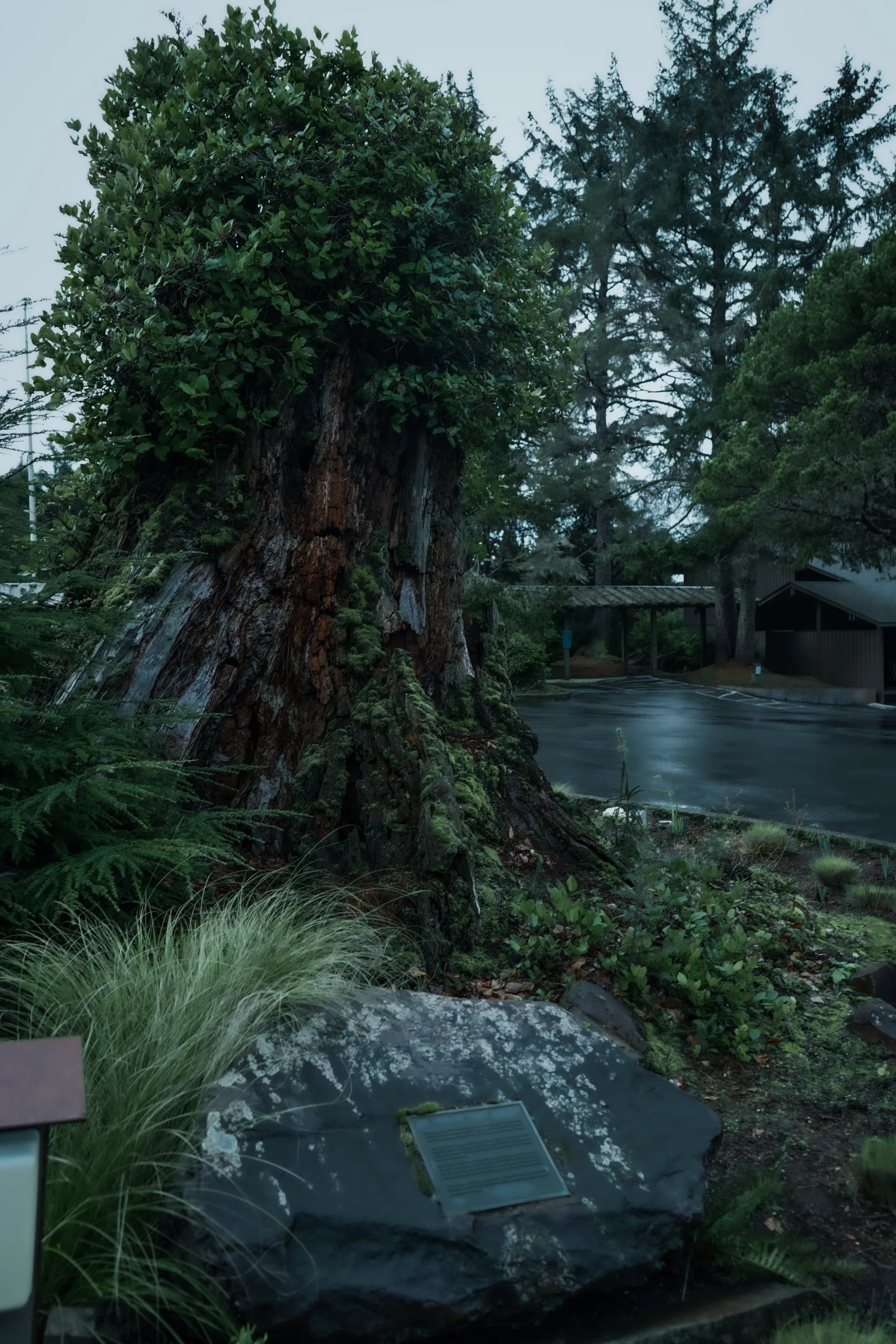
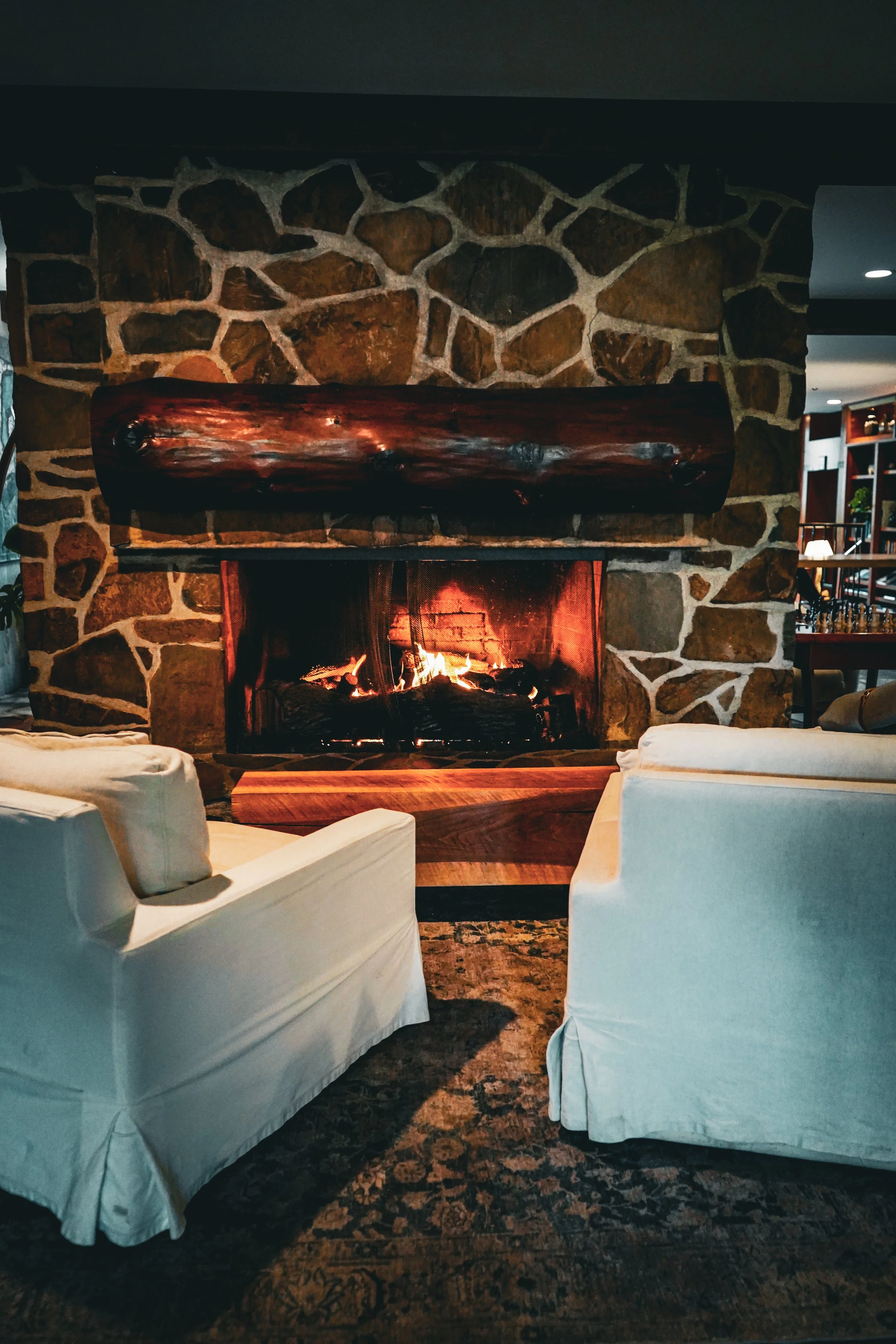
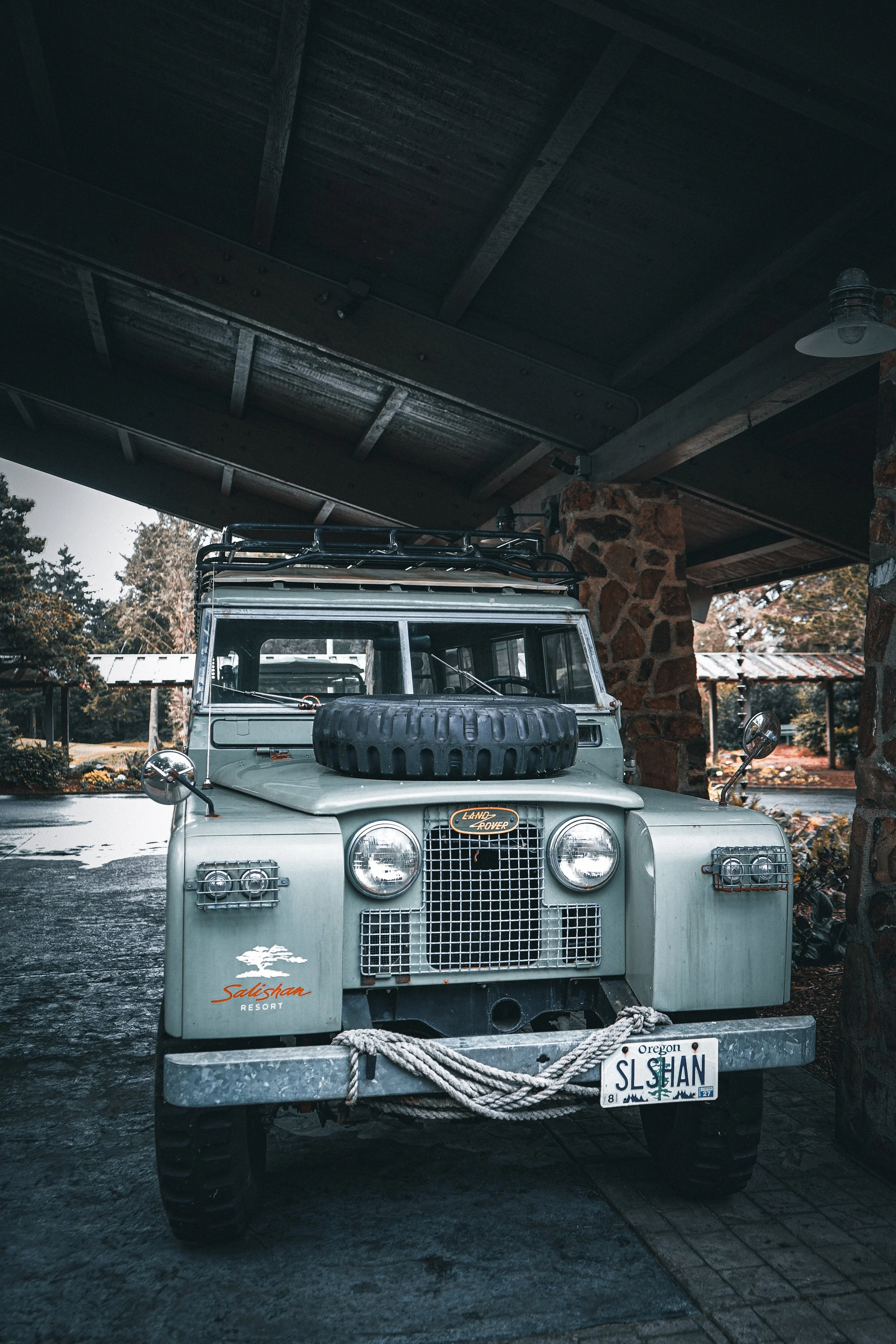
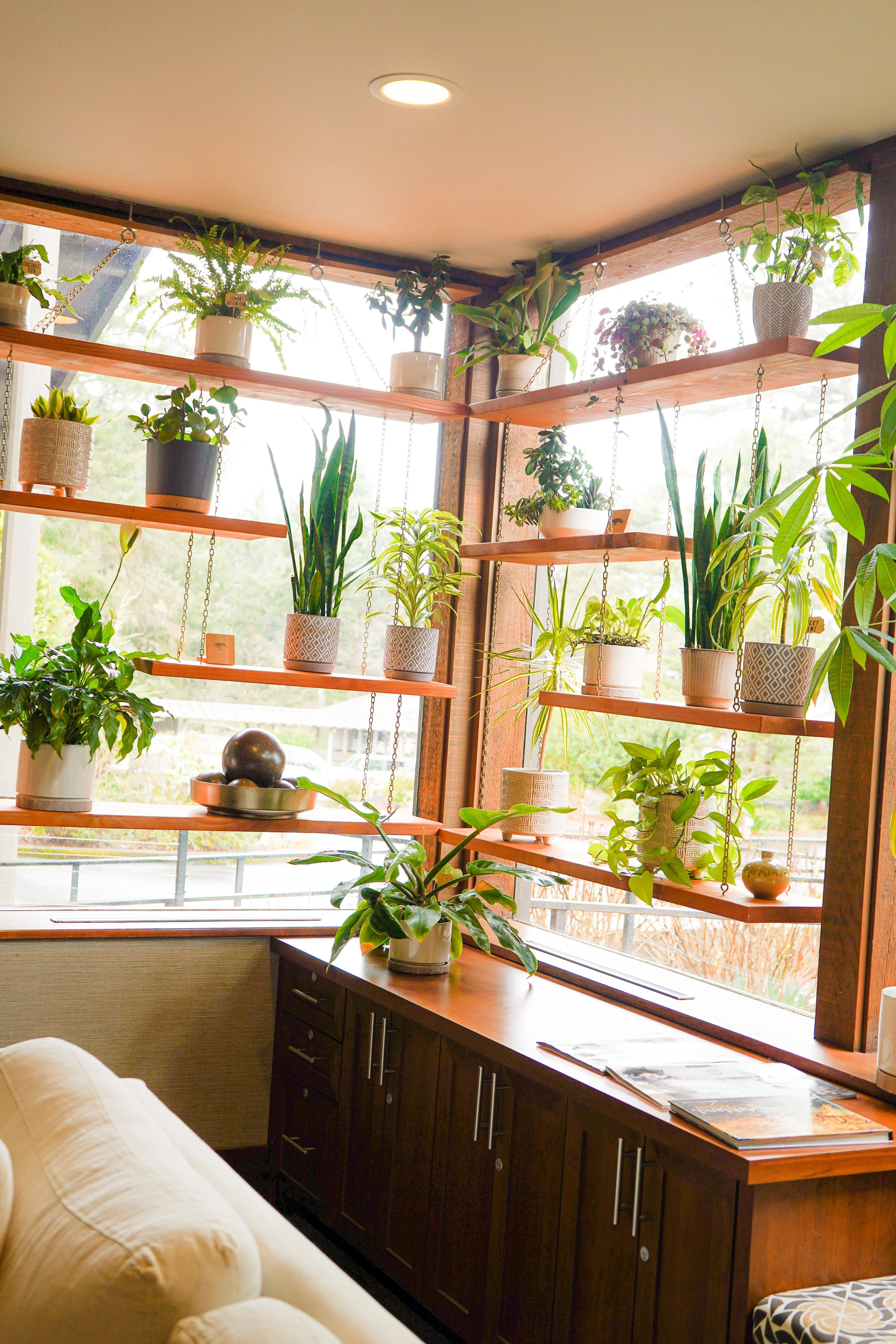
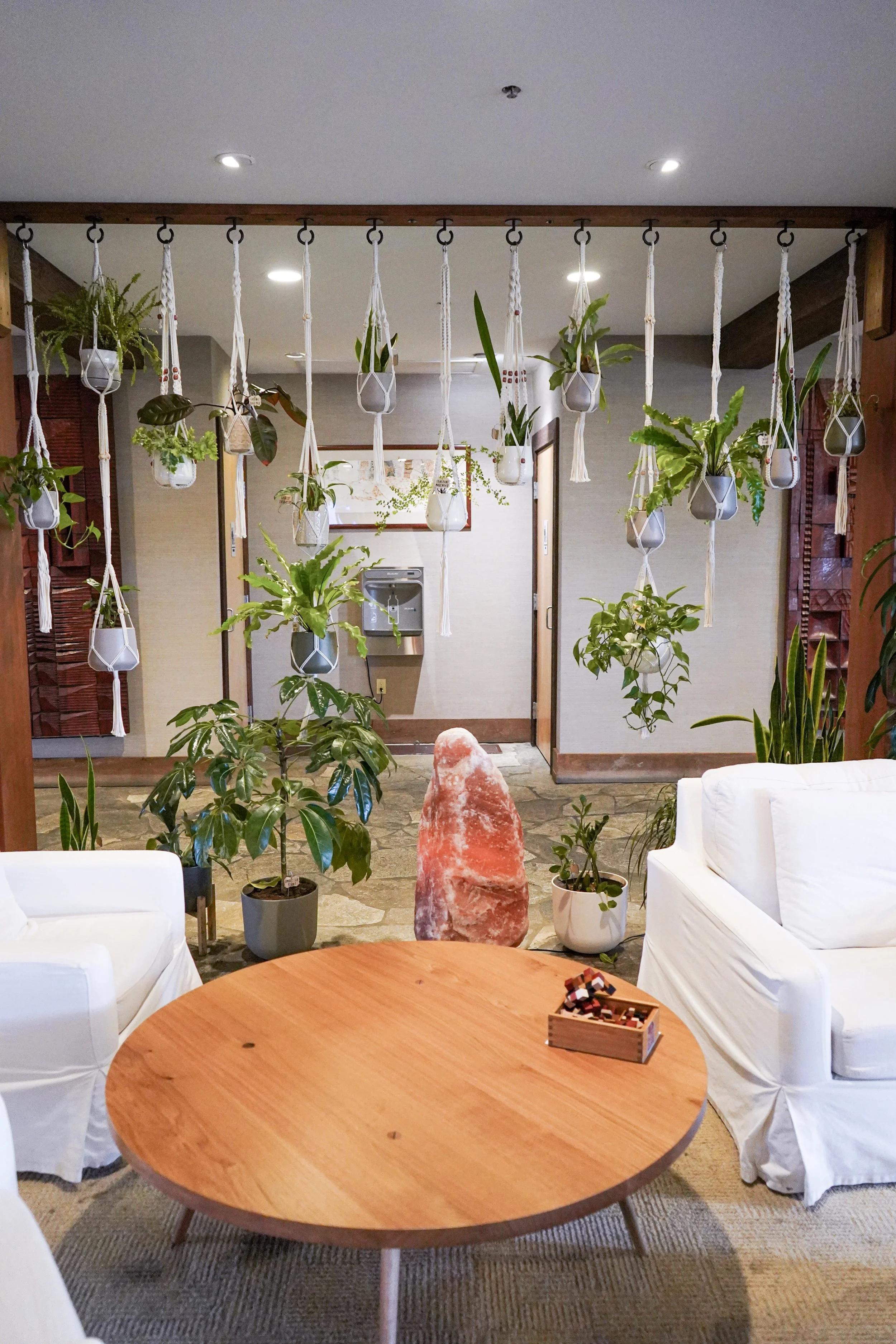
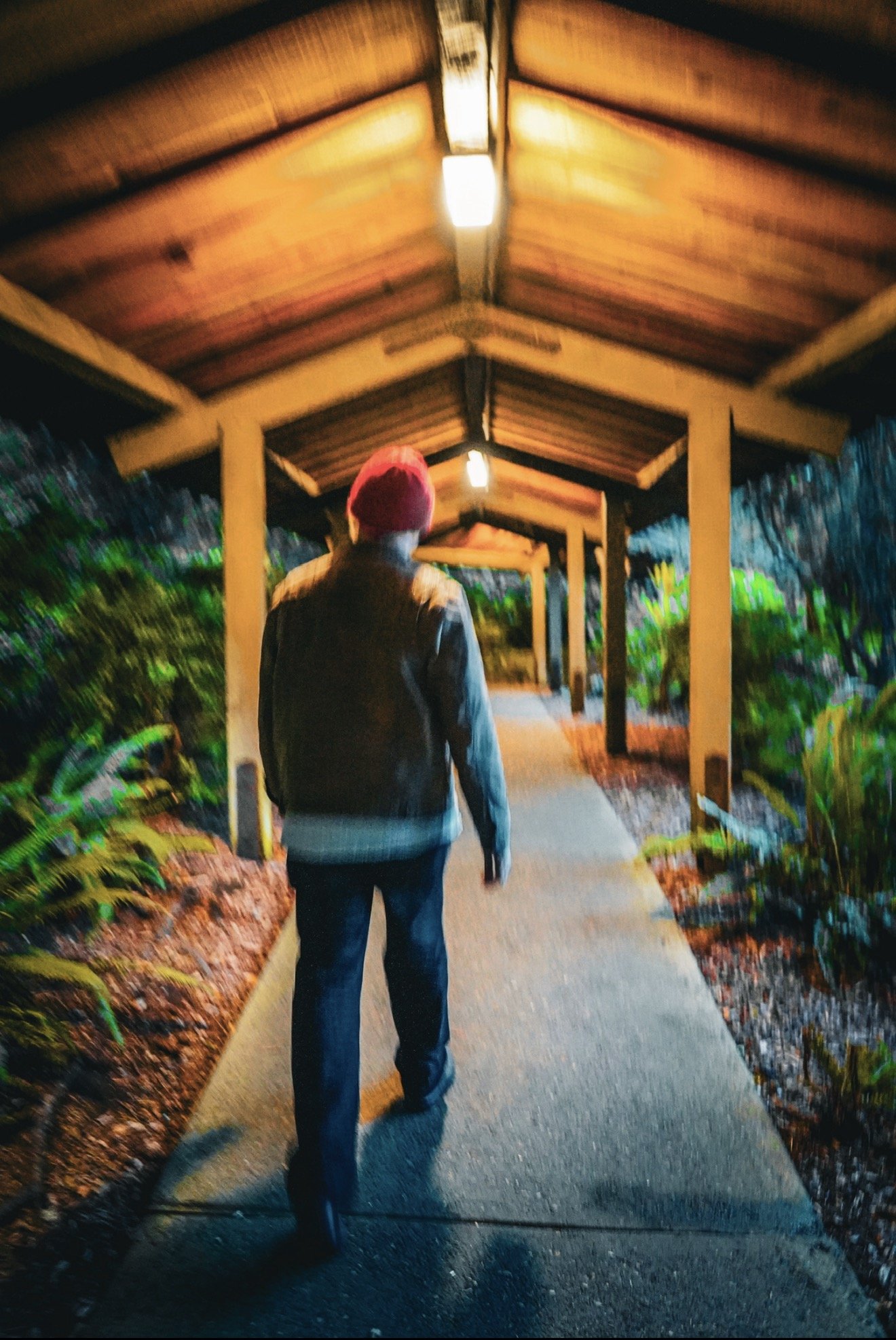
Salishan carries an old Oregon Coast spirit. Built in the 1960s and set quietly above Siletz Bay, it holds that familiar mix of cedar, rain, and firelight I have known since childhood.
The property sits within the ancestral homelands of the Confederated Tribes of Siletz Indians, long connected to these coastal waters. Paths wind through shore pine and spruce to the bay. The Spa at Salishan, indoor heated saltwater pool, aerial park, and golf course sit gently within the landscape.
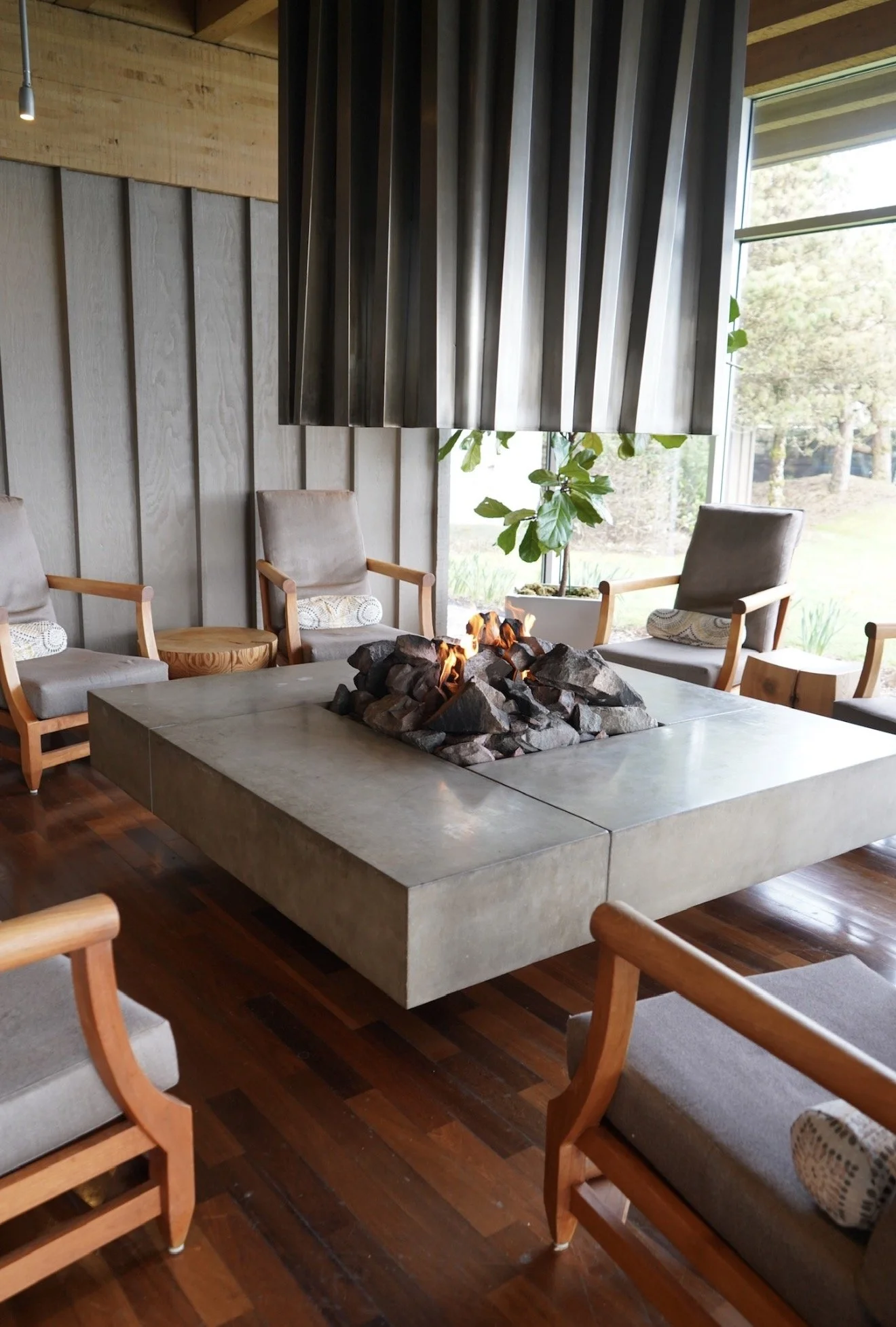
Back in our room, the fire burned steady against the winter damp, the bay just beyond the glass.
Salishan follows the Soul Community Planet philosophy, centered on wellness, stewardship, and care for land and community, a balance that made it the right home base as I came to document Winter Waters and the coastal culture shaped by the sea.
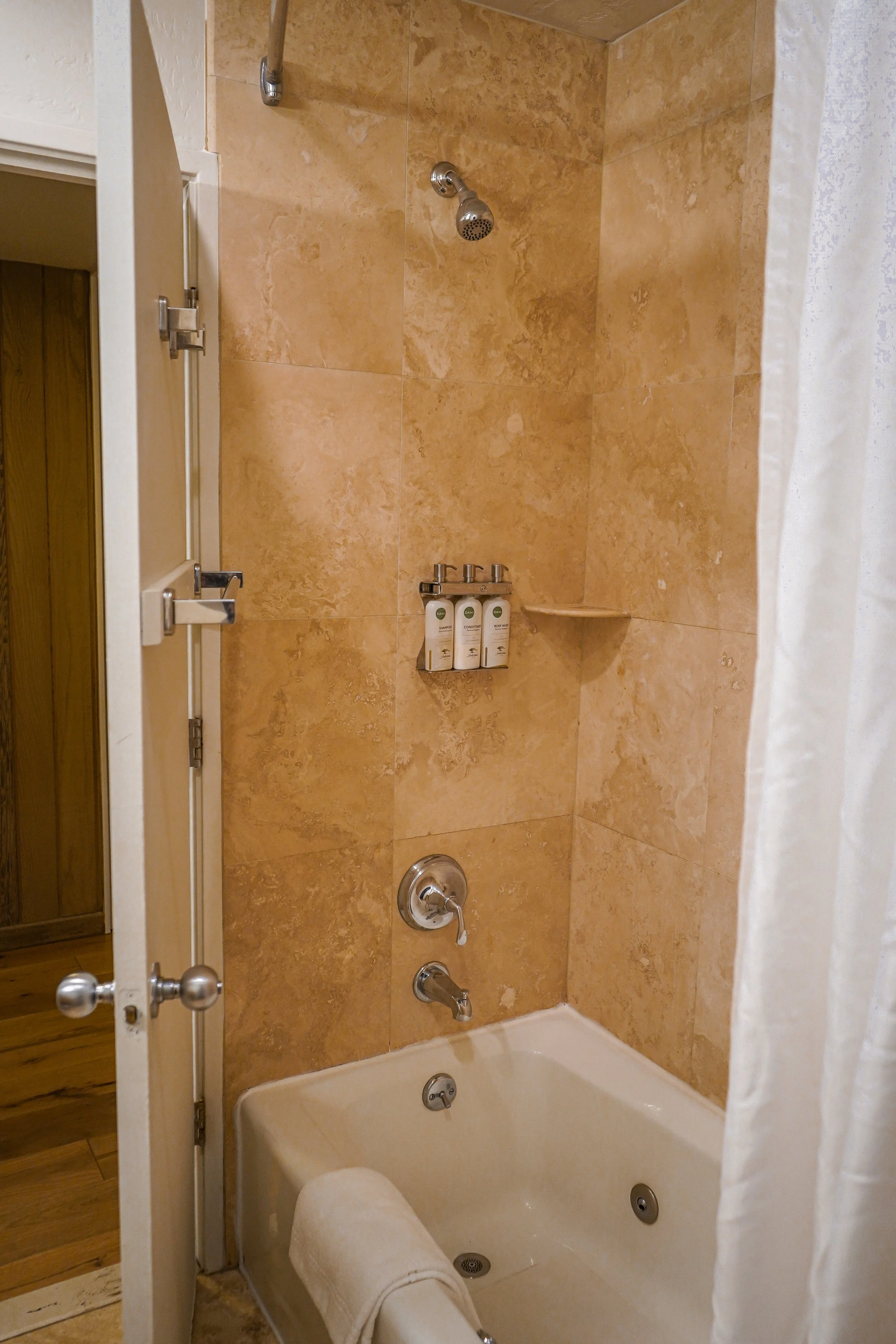
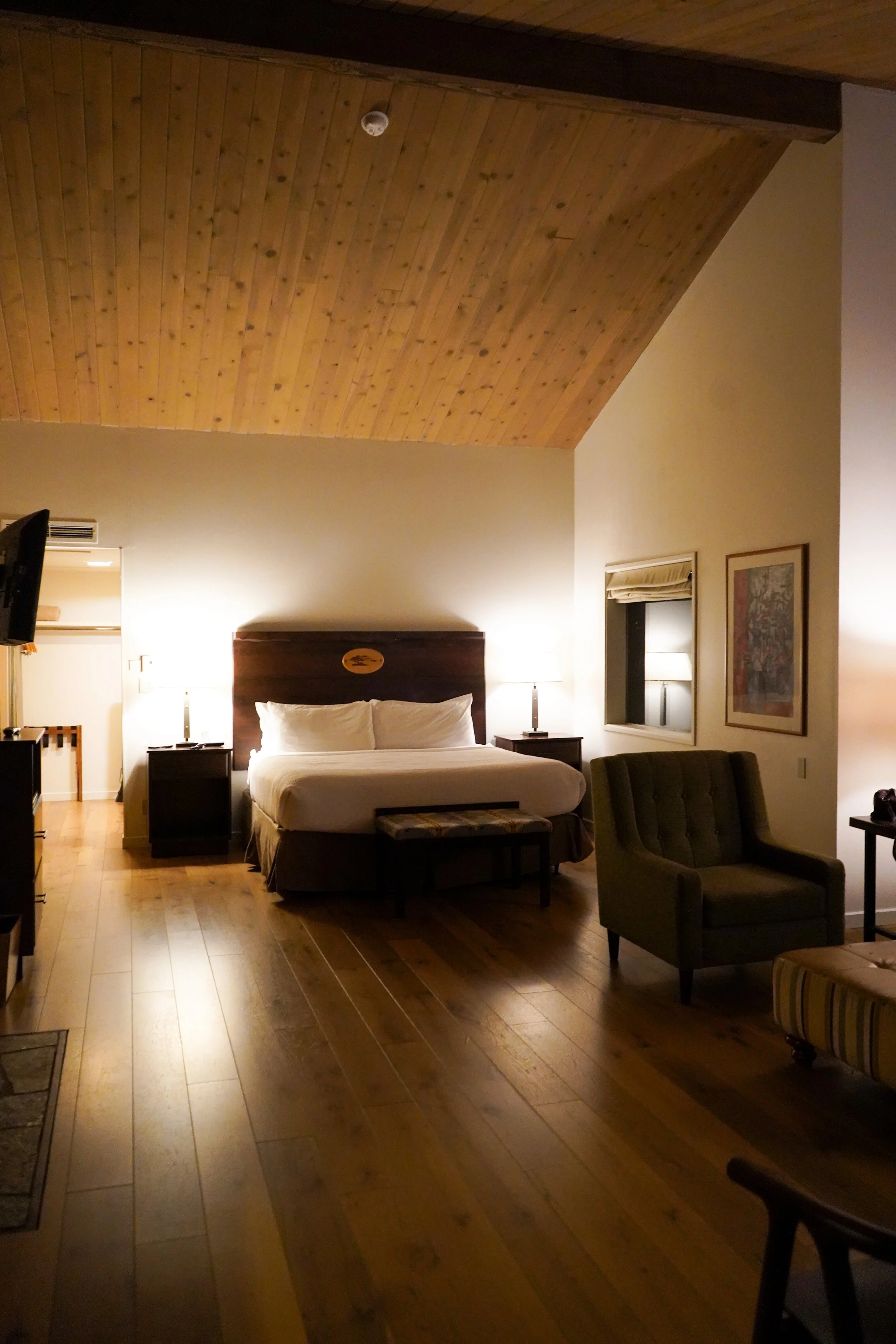
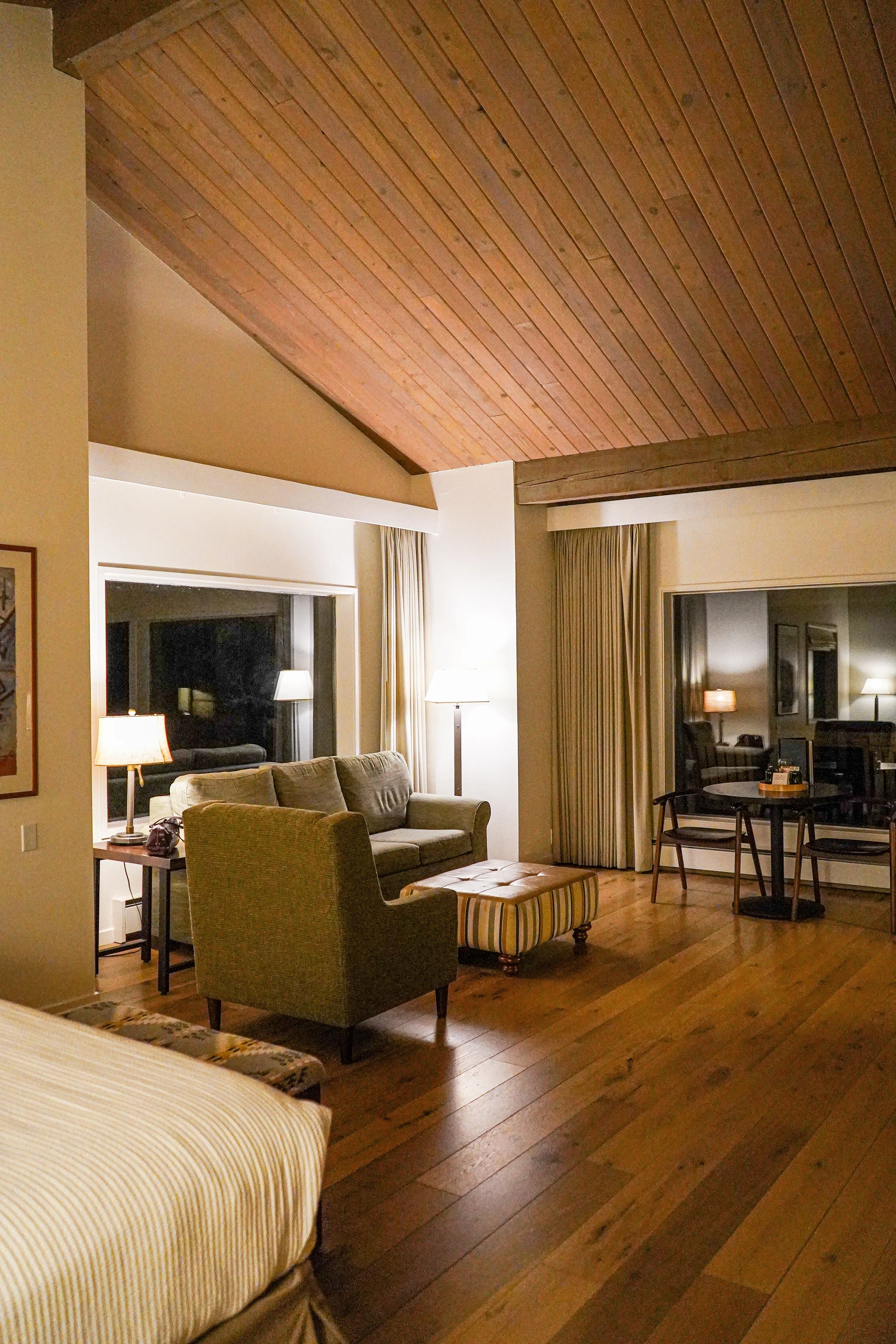
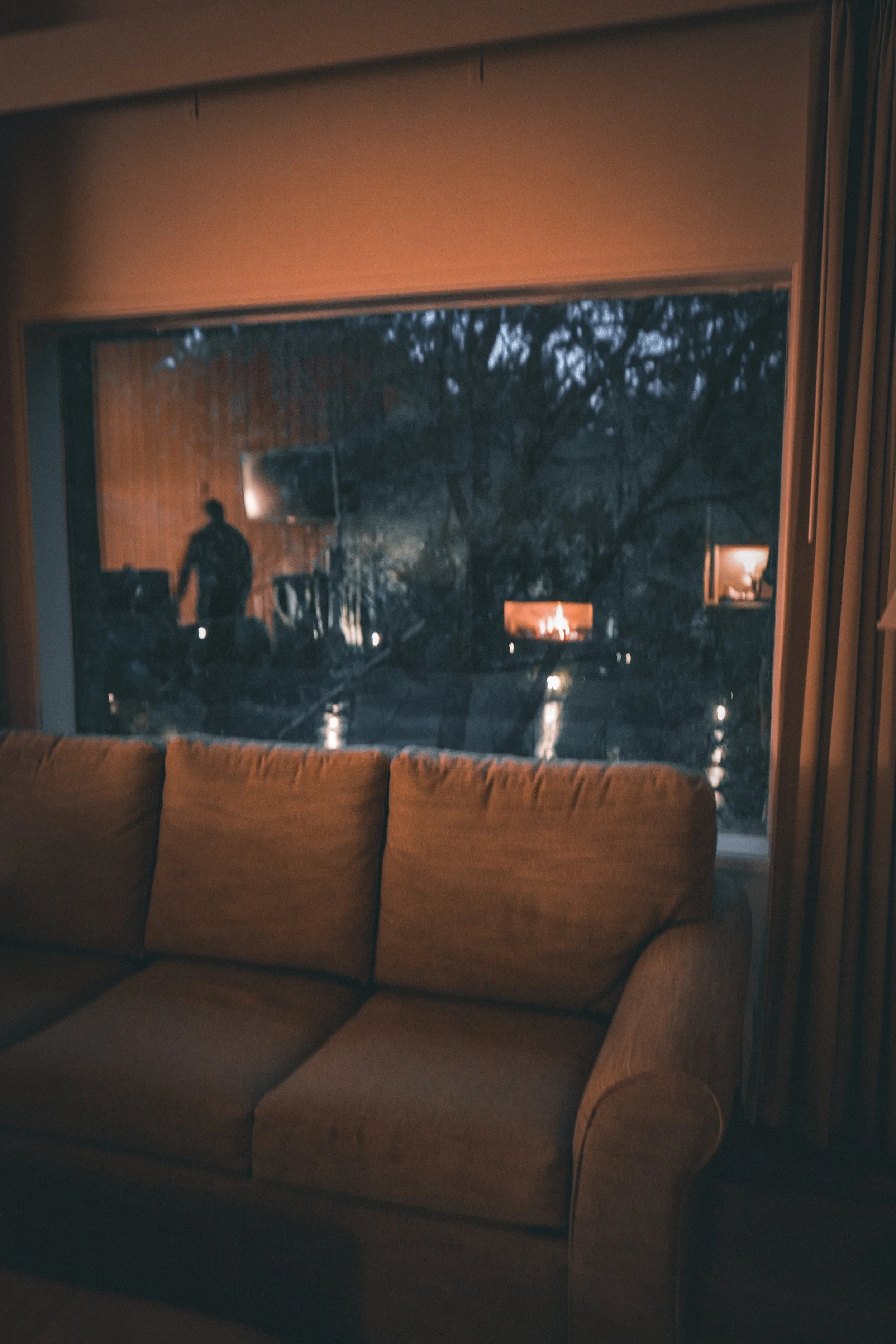
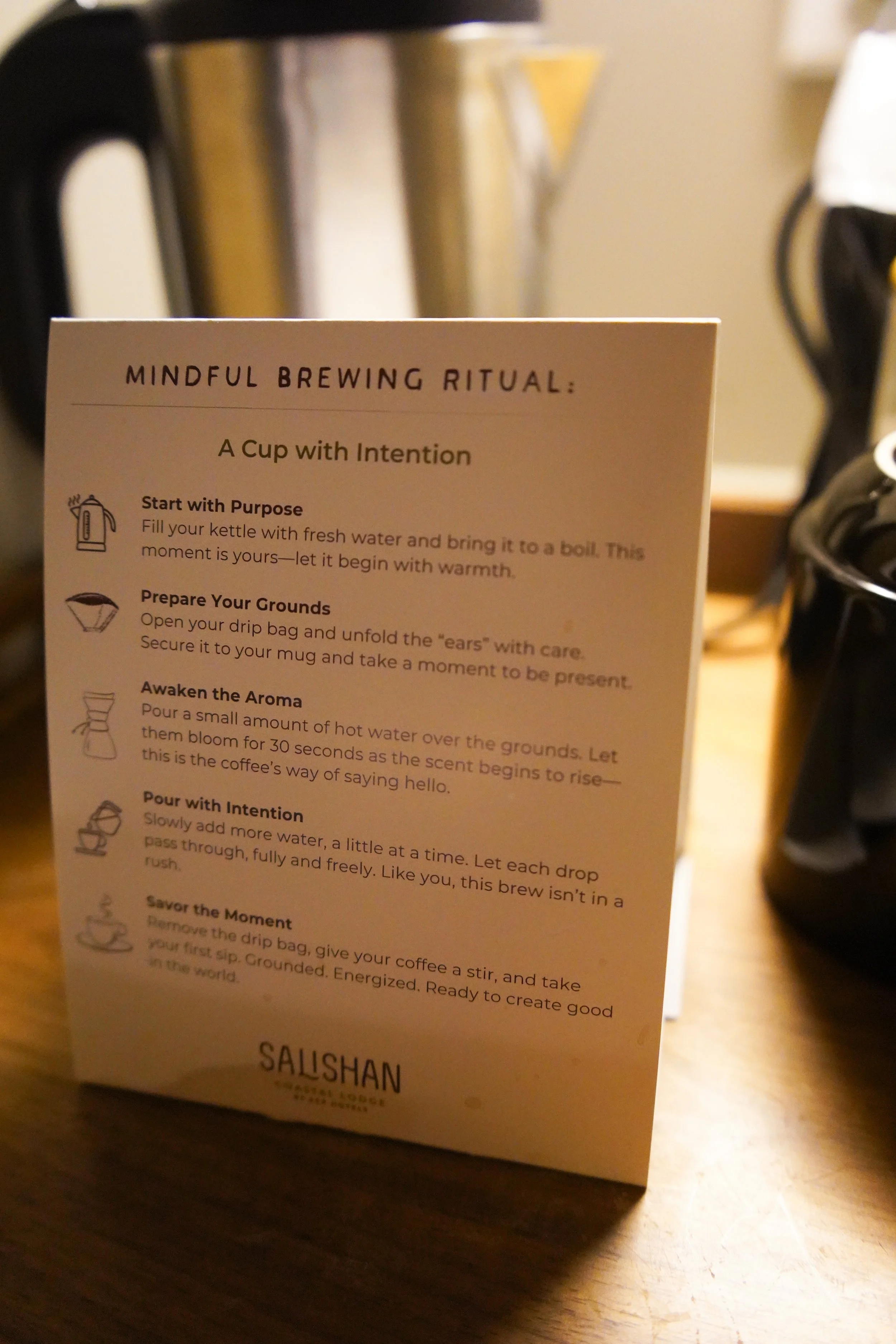
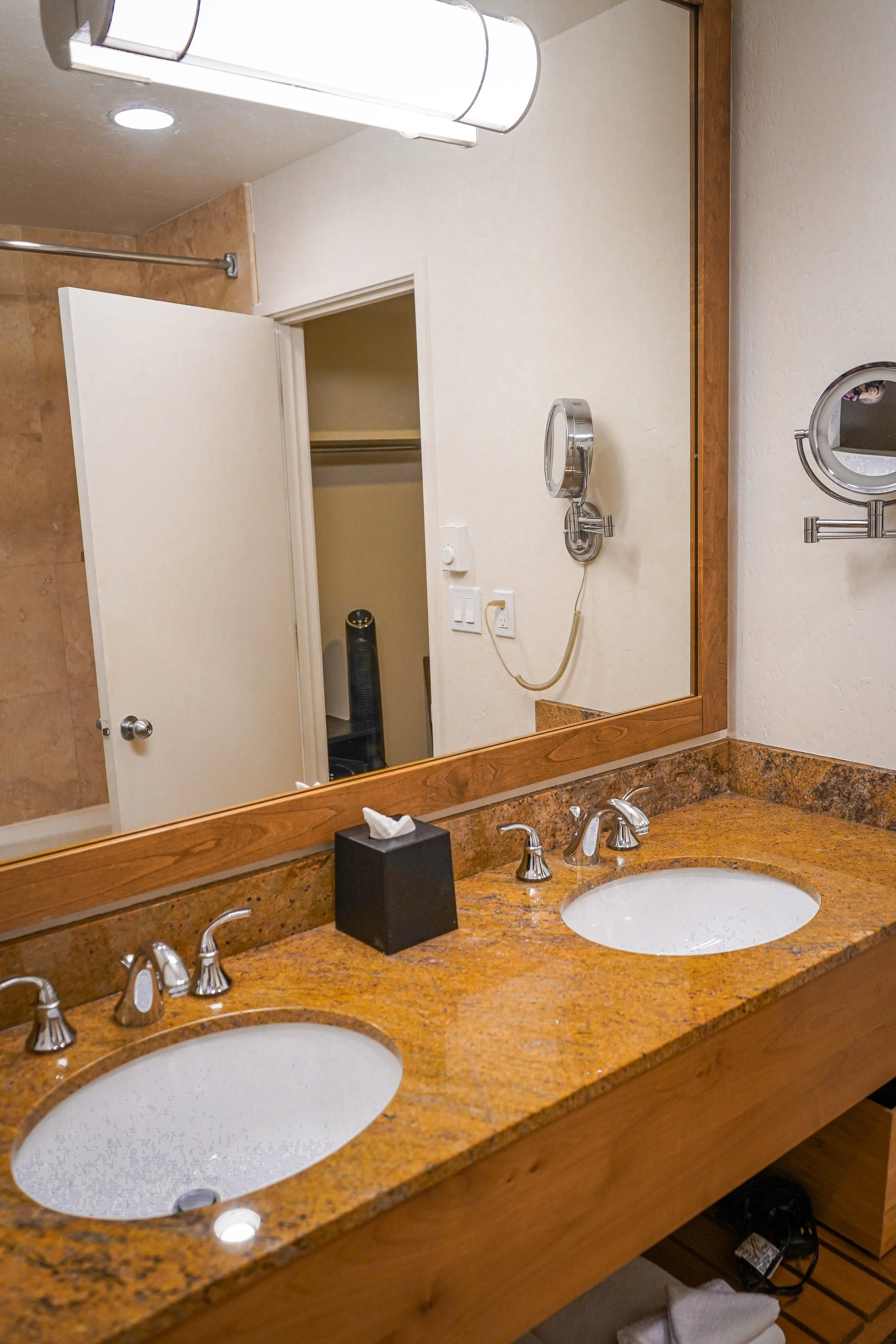
The quiet warmth of Salishan carries memories of my years living along this coast in my tiny house, a time when the ocean first began shaping my path.
Each journey back brings me closer to the larger thread I am following, connecting the people, places, and waters that form the heart of Oregon.
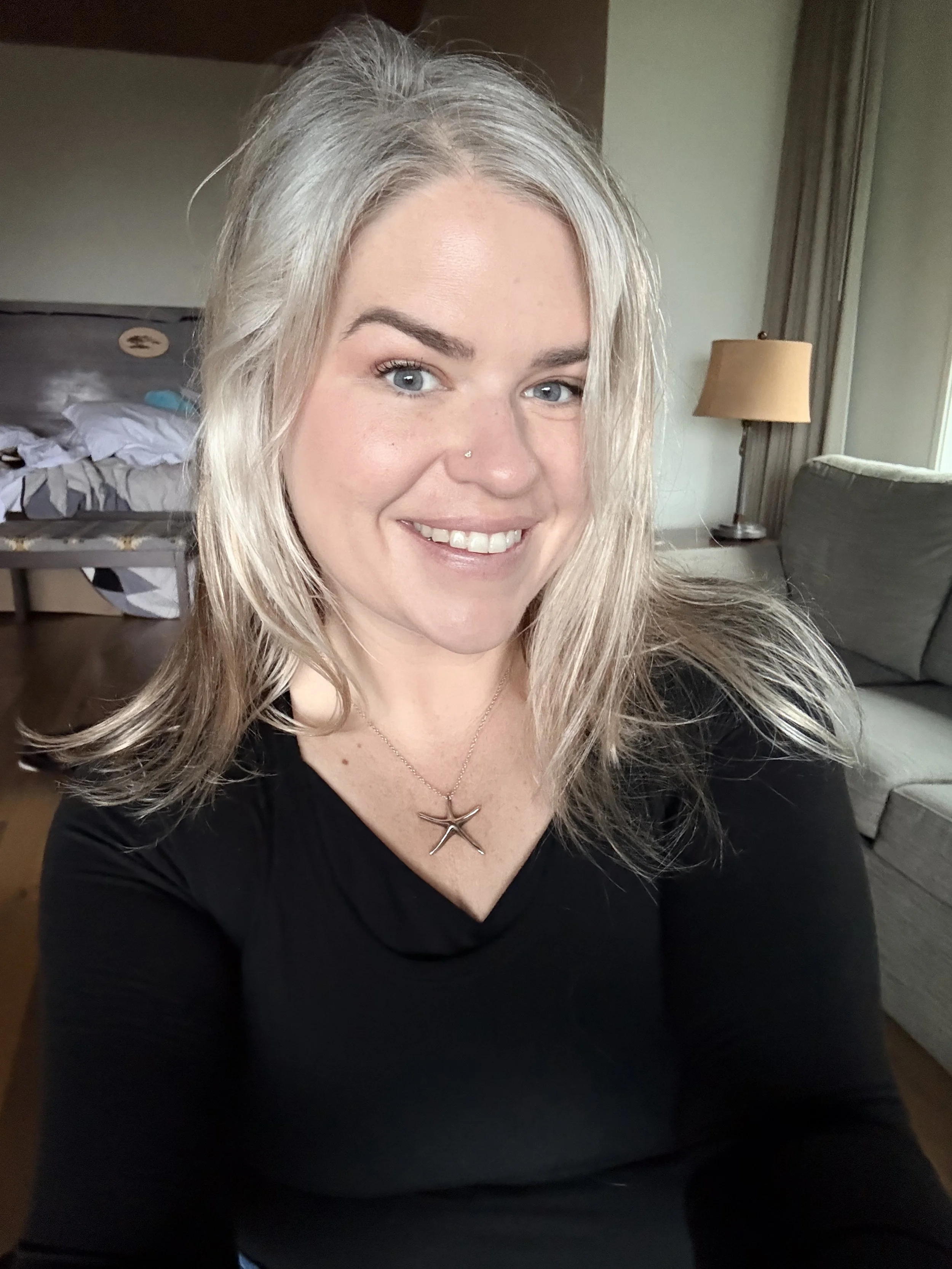
Ready for a day exploring The Blue Line in Newport, Oregon. I brought my Tiffany & Co Elsa Peretti Starfish necklace. A resale find, for me it represents the tenacity of female design and leadership (and the ocean)!
The Blue Line Tour at NOAA Hatfield Marine Science Center
RIP ROGUE
We headed south into Newport for Winter Waters, a multi day coastal gathering focused on the ocean systems that sustain this region. The series was founded and is led by three women, Alanna Kieffer, Rachelle Hacmac, and Kristen Penner, who created it to connect people with regenerative seafood, seaweed, and the working ocean economy of the Oregon Coast.
Programming spans science, fisheries, and community, including the Women of the Water gathering and an ocean focused Marine Reserve Trivia night. Our first stop was the NOAA facility, where the scientific backbone of these waters begins.
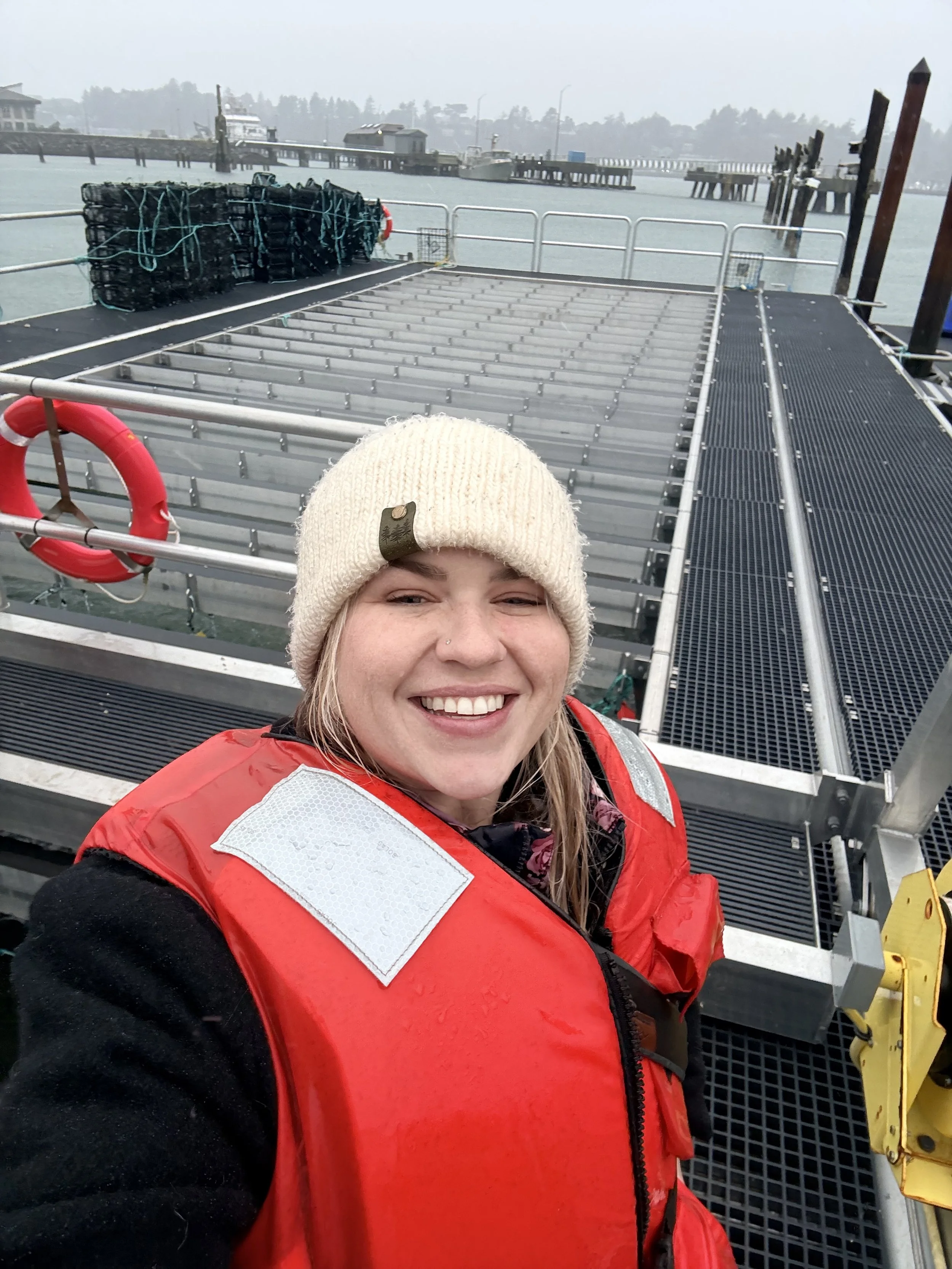
aboard the NOAA oyster production raft
The blue economy is simple at its core, it is the system of jobs, food, research, and coastal industries that depend on healthy ocean water. Shellfish farming, fisheries, marine science, and restoration all live within this economy.
At the NOAA Hatfield Marine Science Center in Newport, researchers study water temperature, acidity, algae, and disease, the conditions that determine whether oysters live or die. That science is shared directly with farmers, hatcheries, and students.
We walked through the oyster research facility (where cameras were not allowed), then stepped onto the oyster raft in the estuary. The raft is a floating classroom and grow site where oysters develop in baskets below the surface.
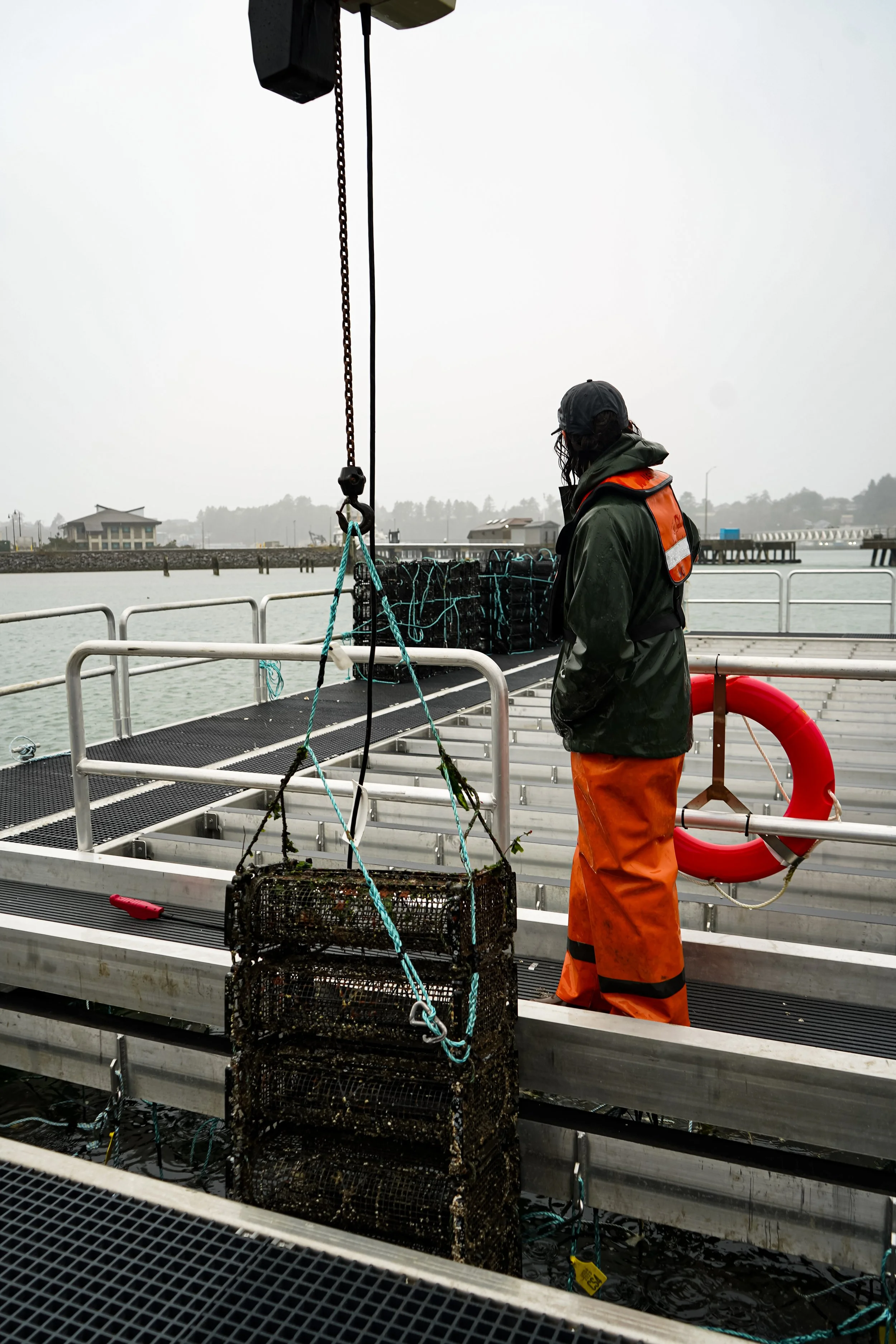
Scientists track growth, shell strength, and survival while showing how oysters filter water, build habitat, and respond to changing ocean conditions.
Oysters are my love language. They filter, restore, and sustain. Research and education do the same for the working coast.
Port of Newport Dock 5 Working Waterfront
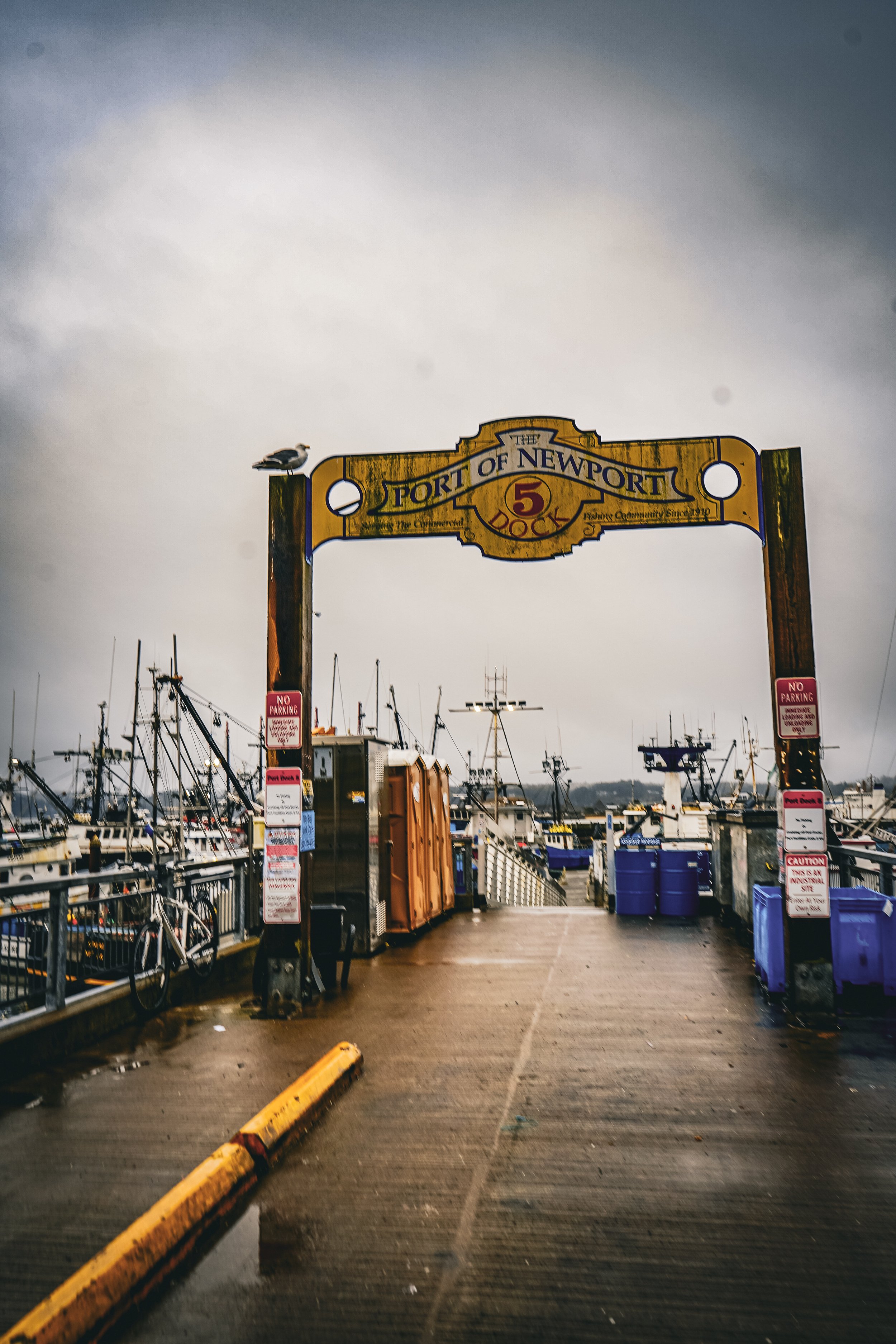
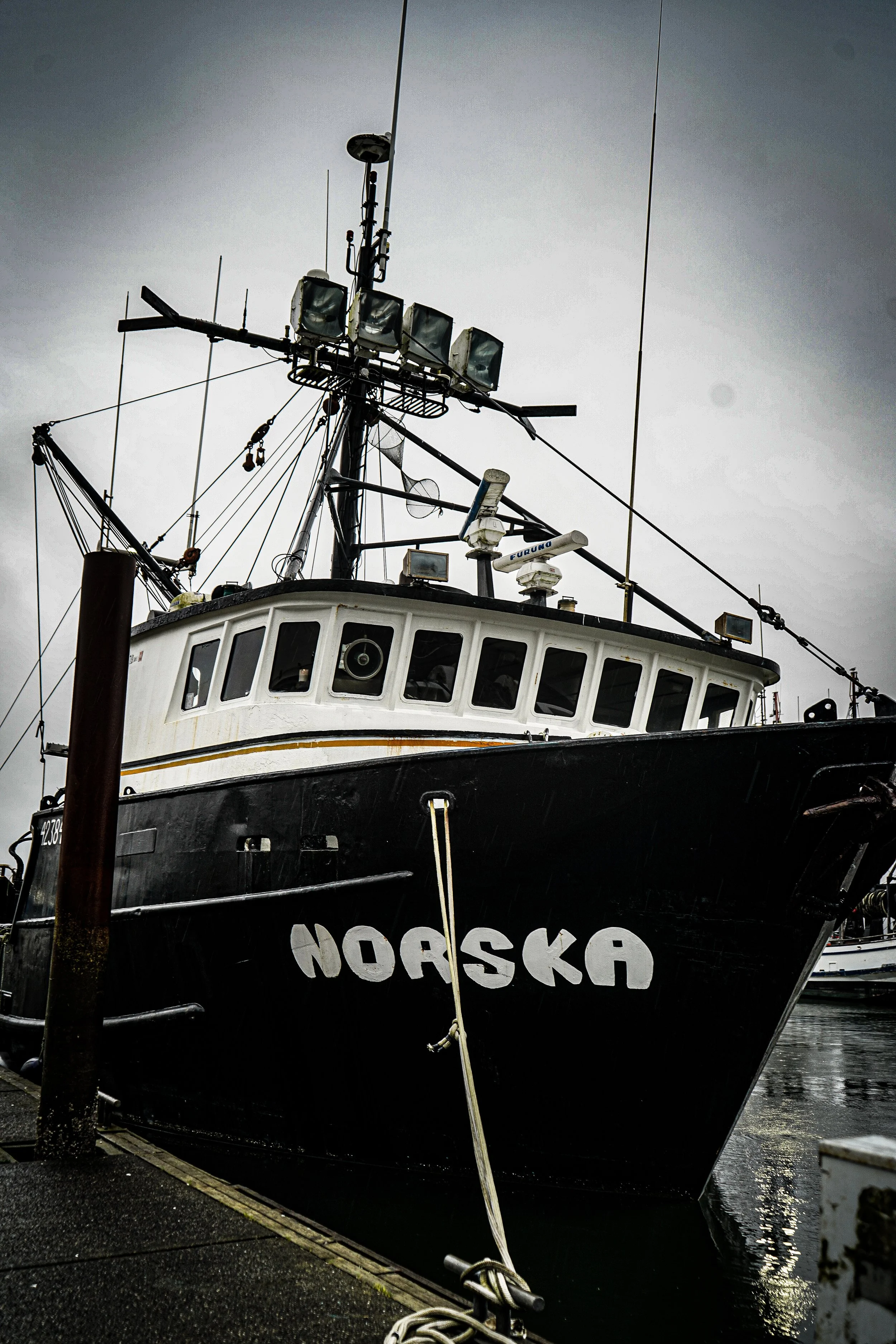
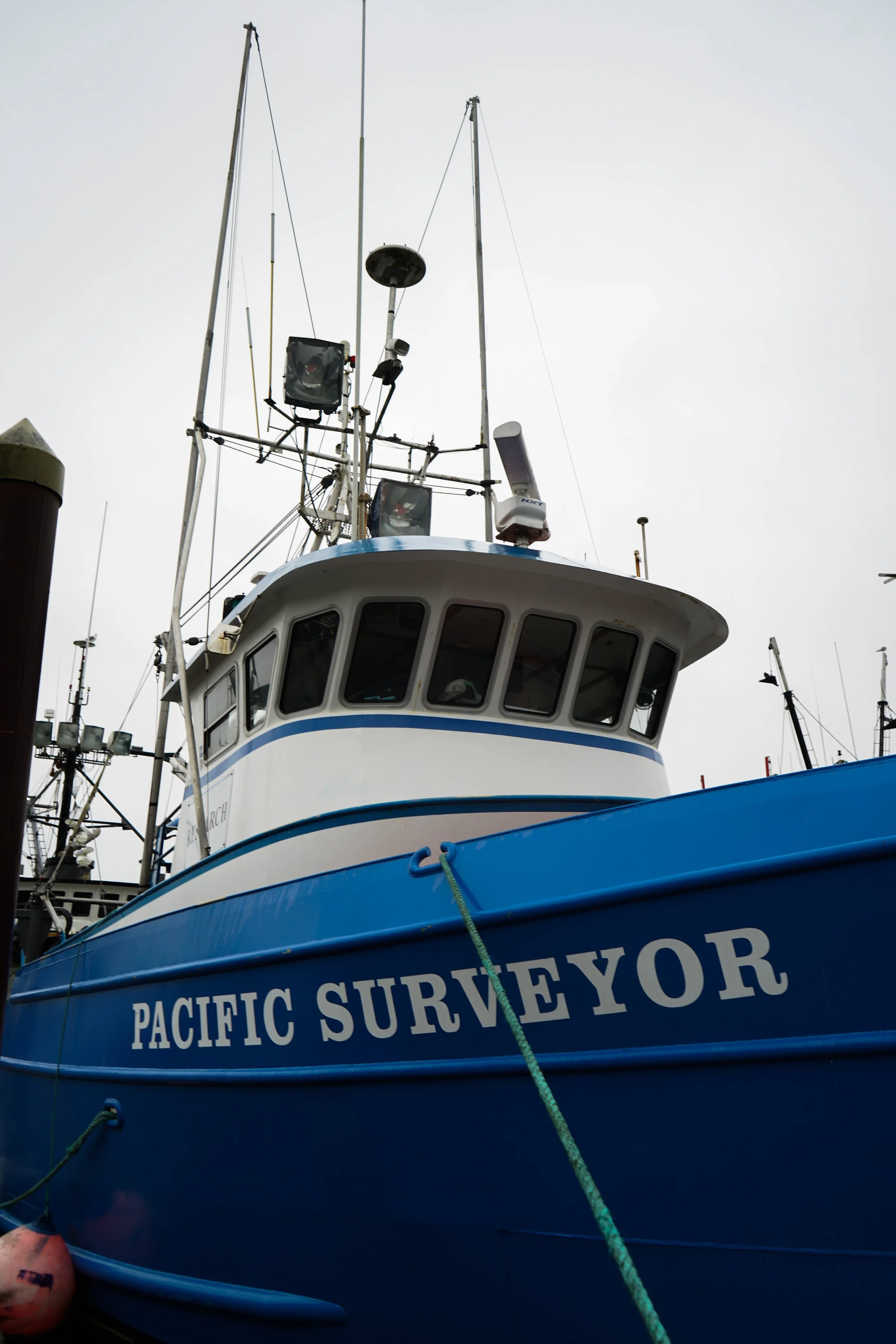
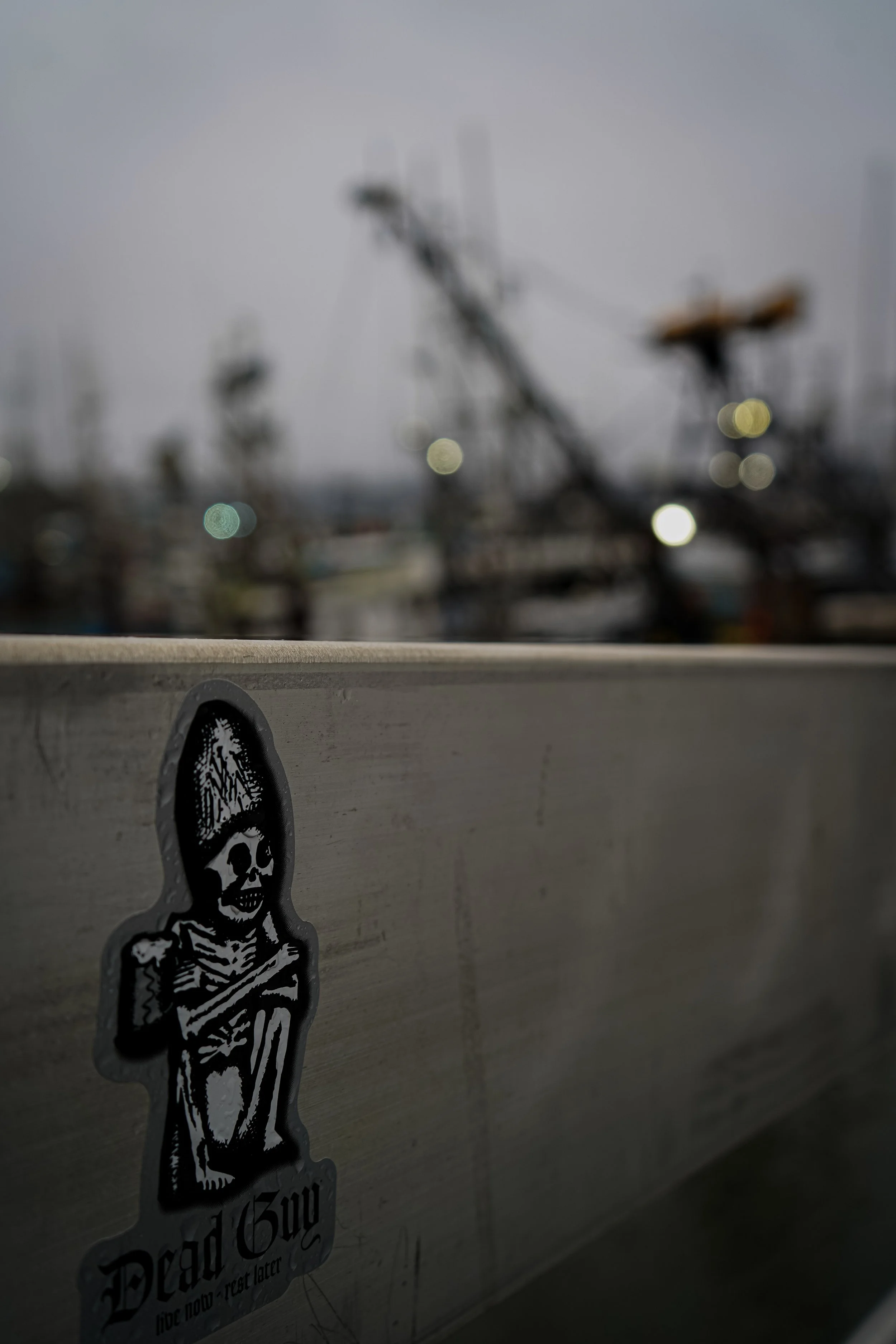
Dock 5 is part of the Port of Newport’s commercial fleet marina, where many of the boats in the Dungeness crab fishery tie up, unload, and prepare for the next run. Stacks of crab pots line the dock. Crews move gear, repair lines, and sort catch. During crab season, vessels return through the Yaquina Bay bar carrying live Dungeness crab stored in seawater holds, then transfer them to processors and buyers along the waterfront.
Crab is the backbone of Newport’s blue economy. The port supports dozens of vessels, fuel, ice, power, and services that keep the fleet working. The crab fishery is the single most valuable seafood harvest in Oregon, driving a major share of coastal income and jobs.
When you support local fishermen, you support the coast itself.
Local Ocean Seafoods Dock to Table Tasting
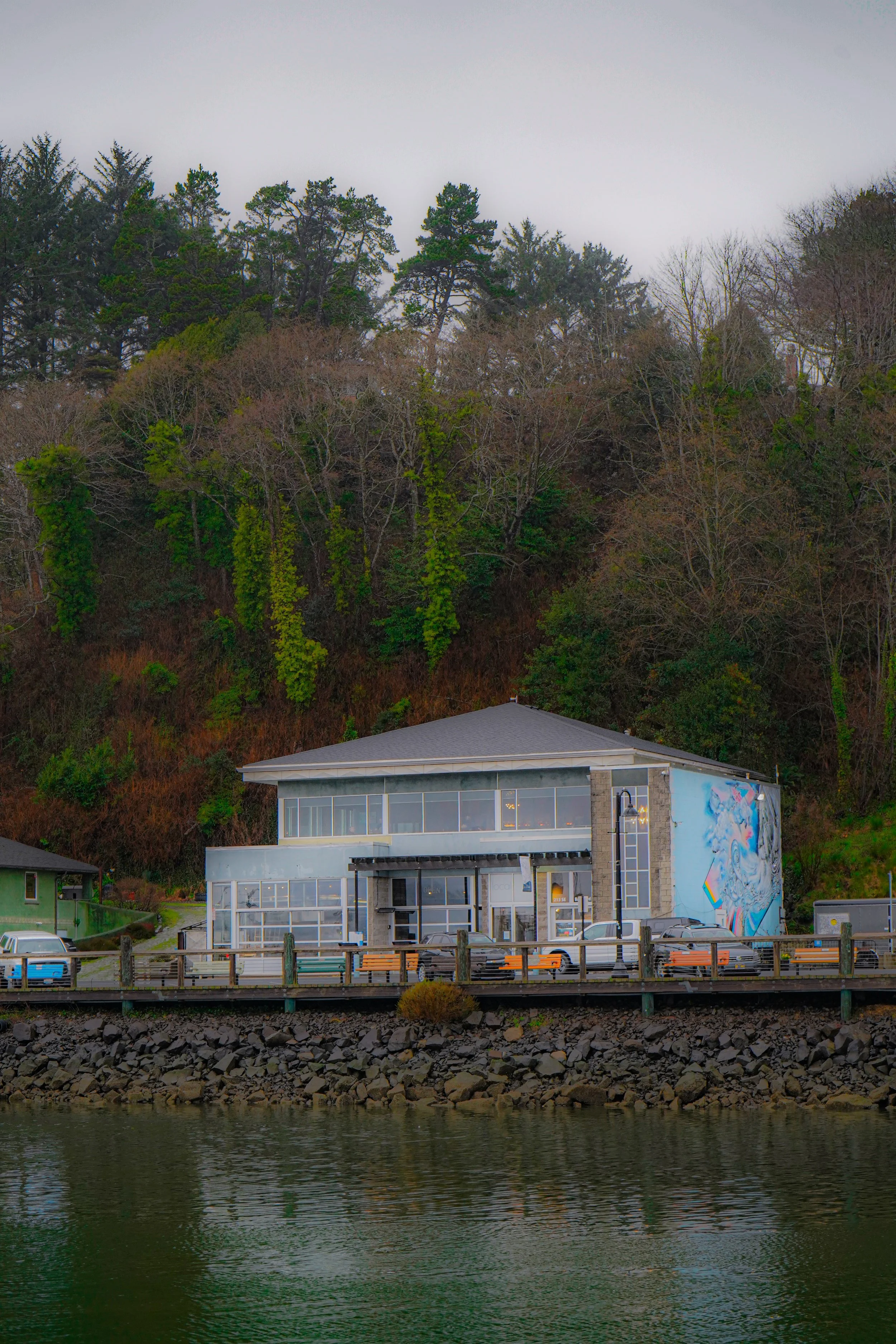
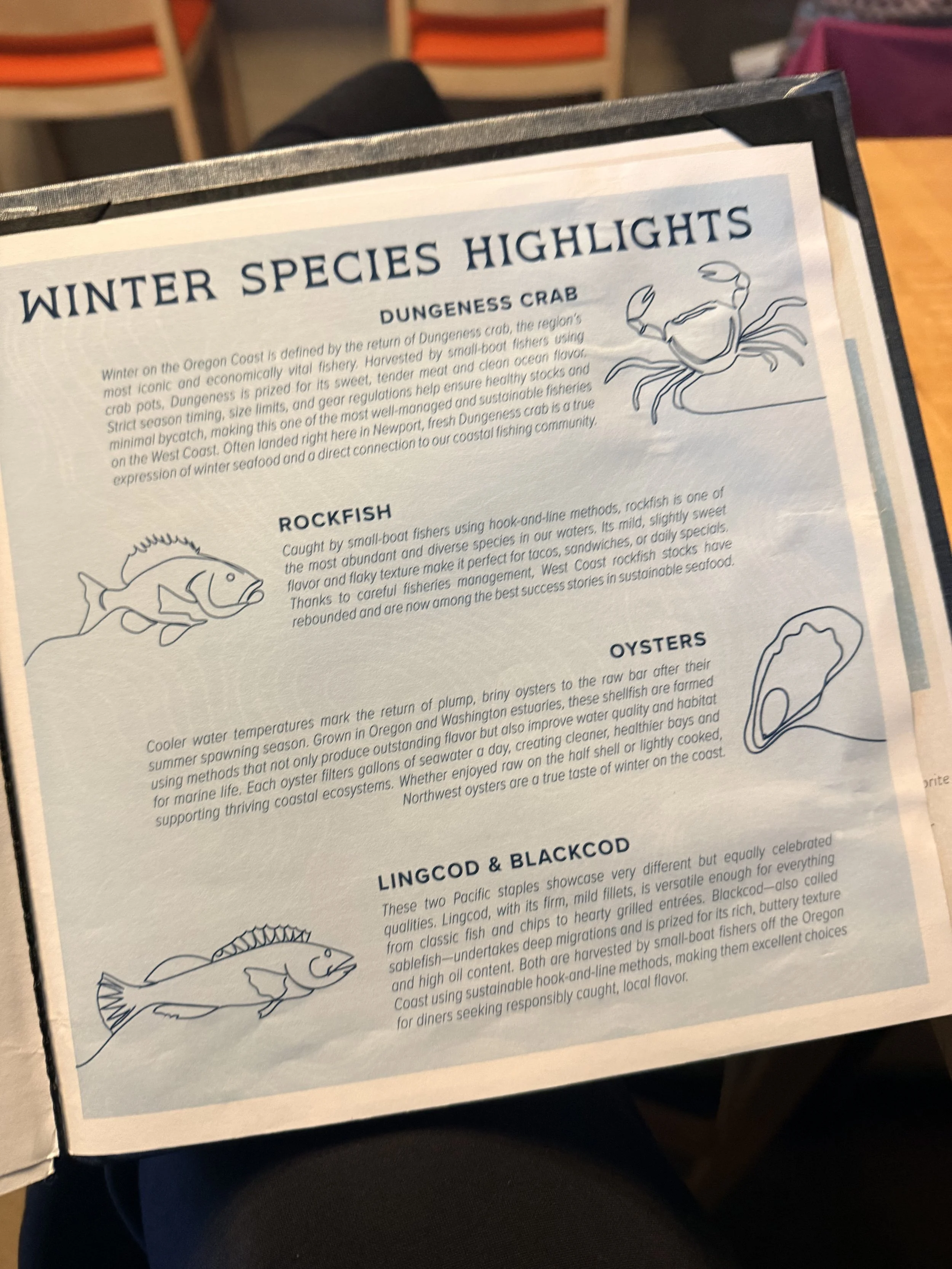
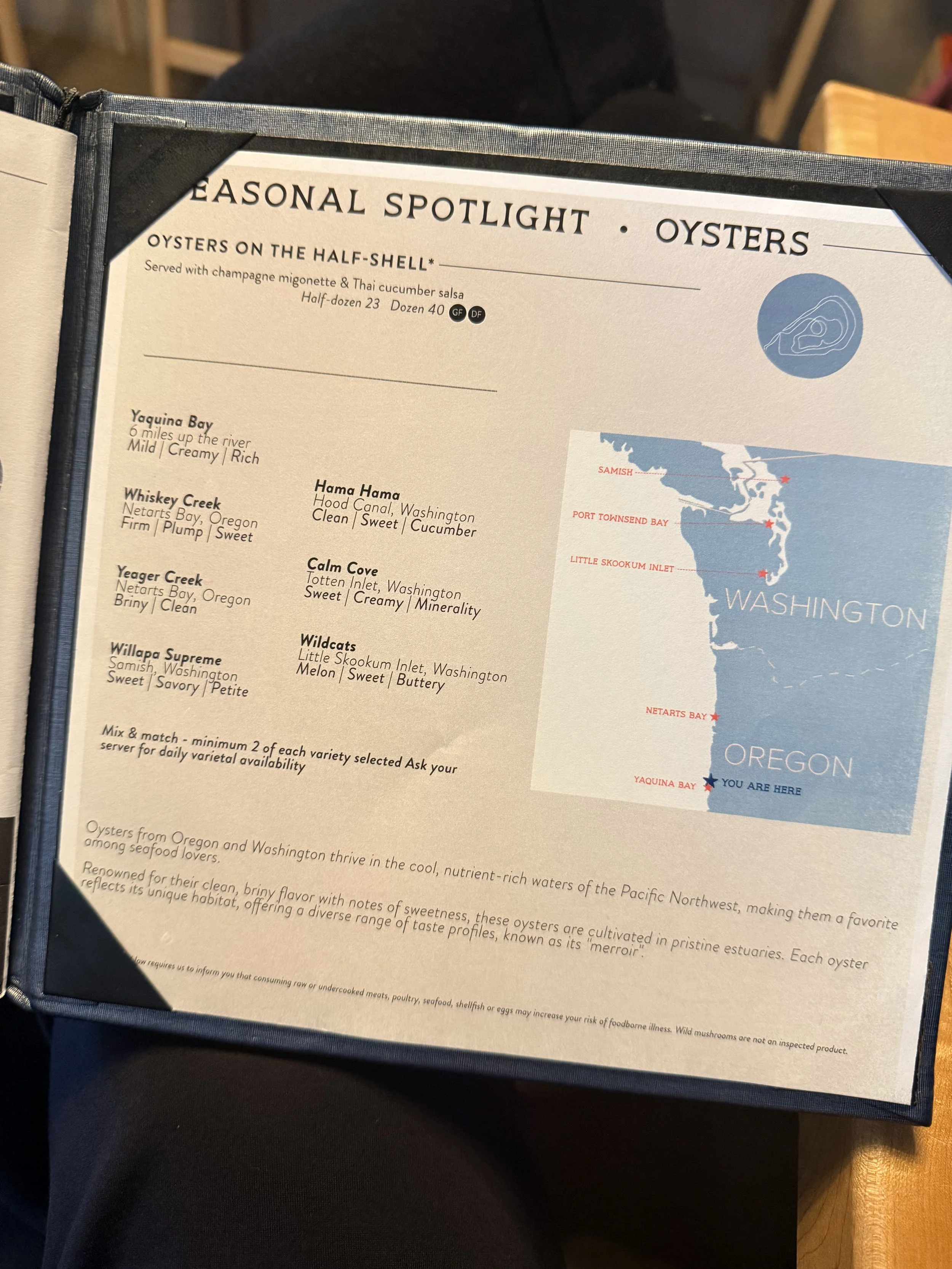
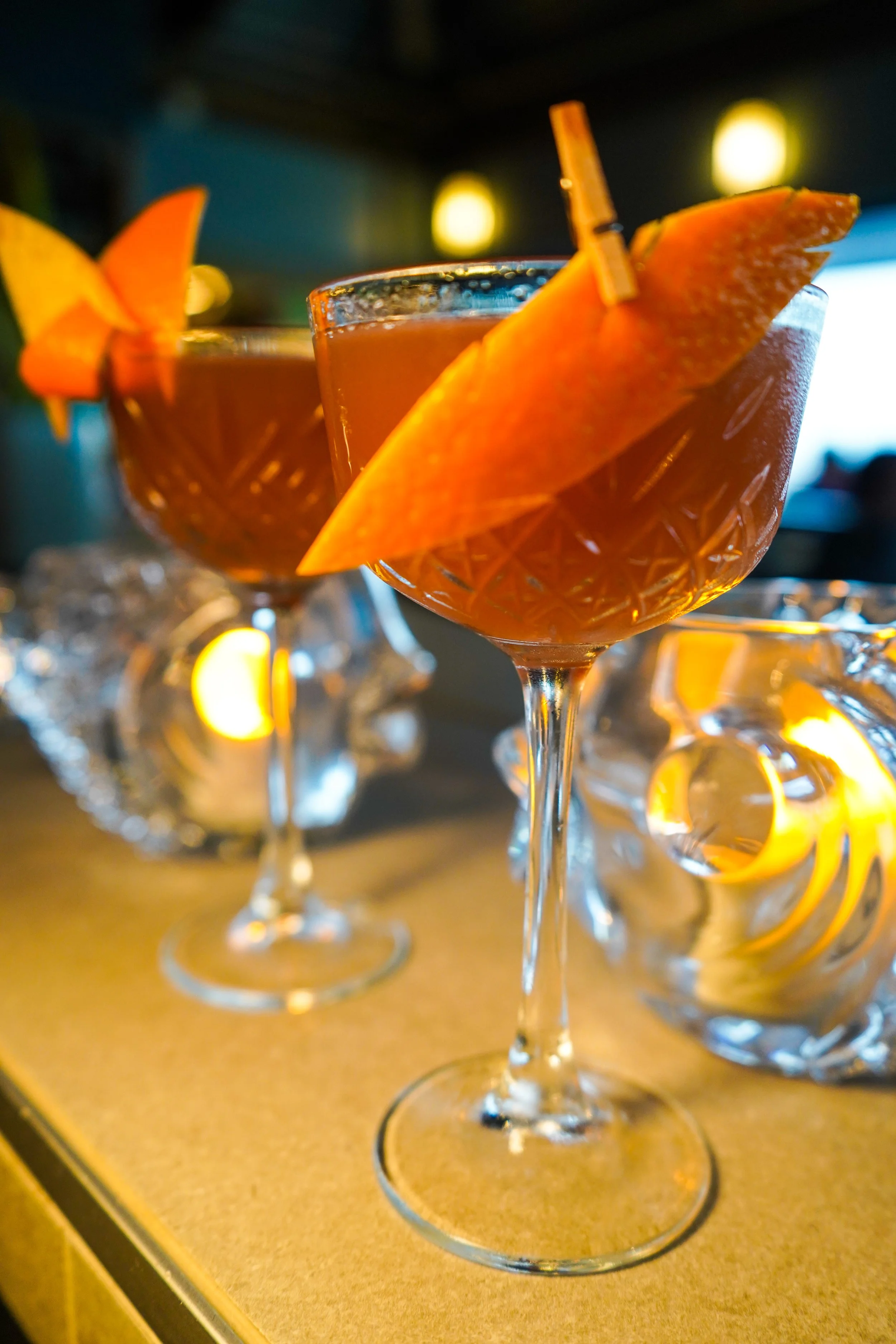
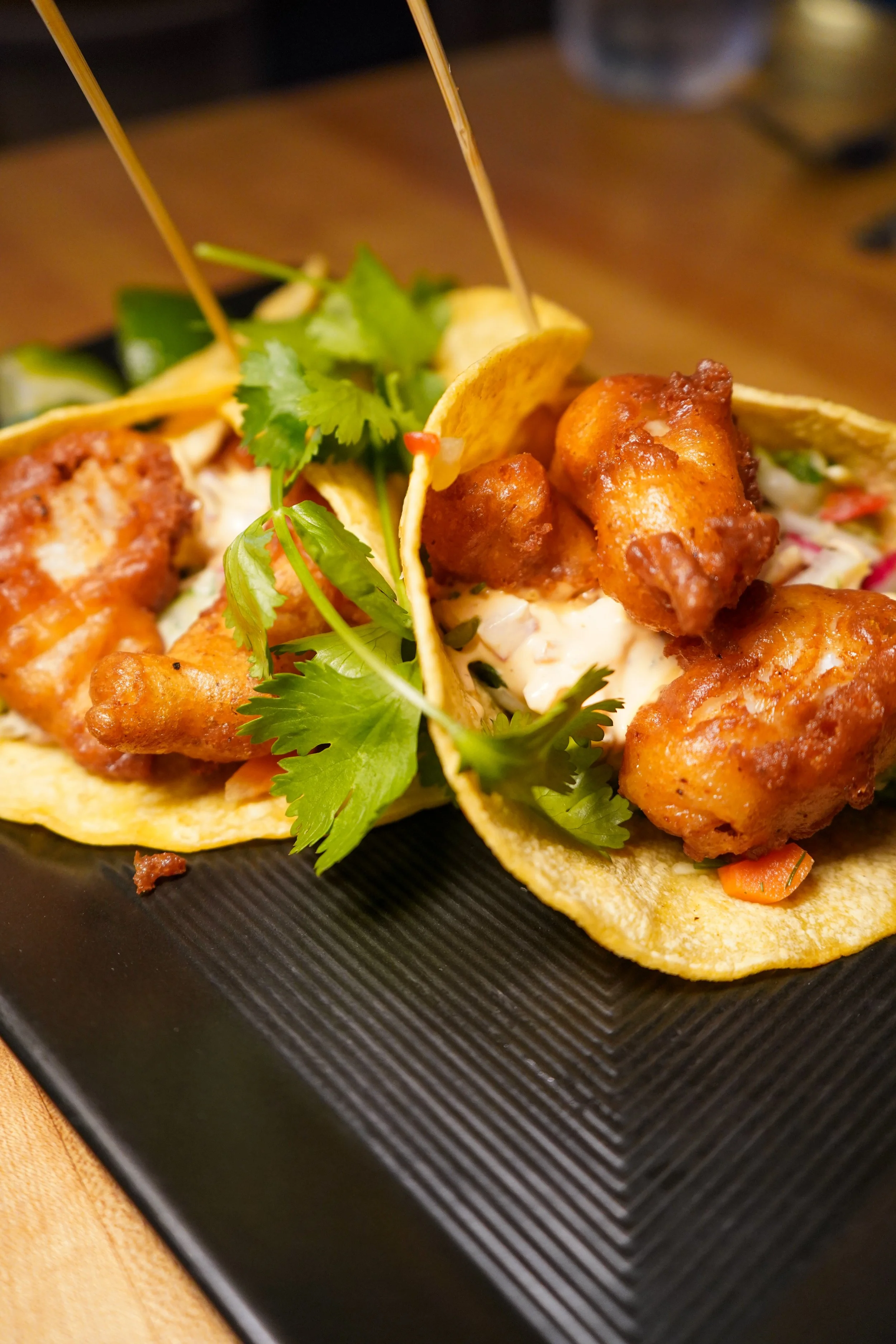
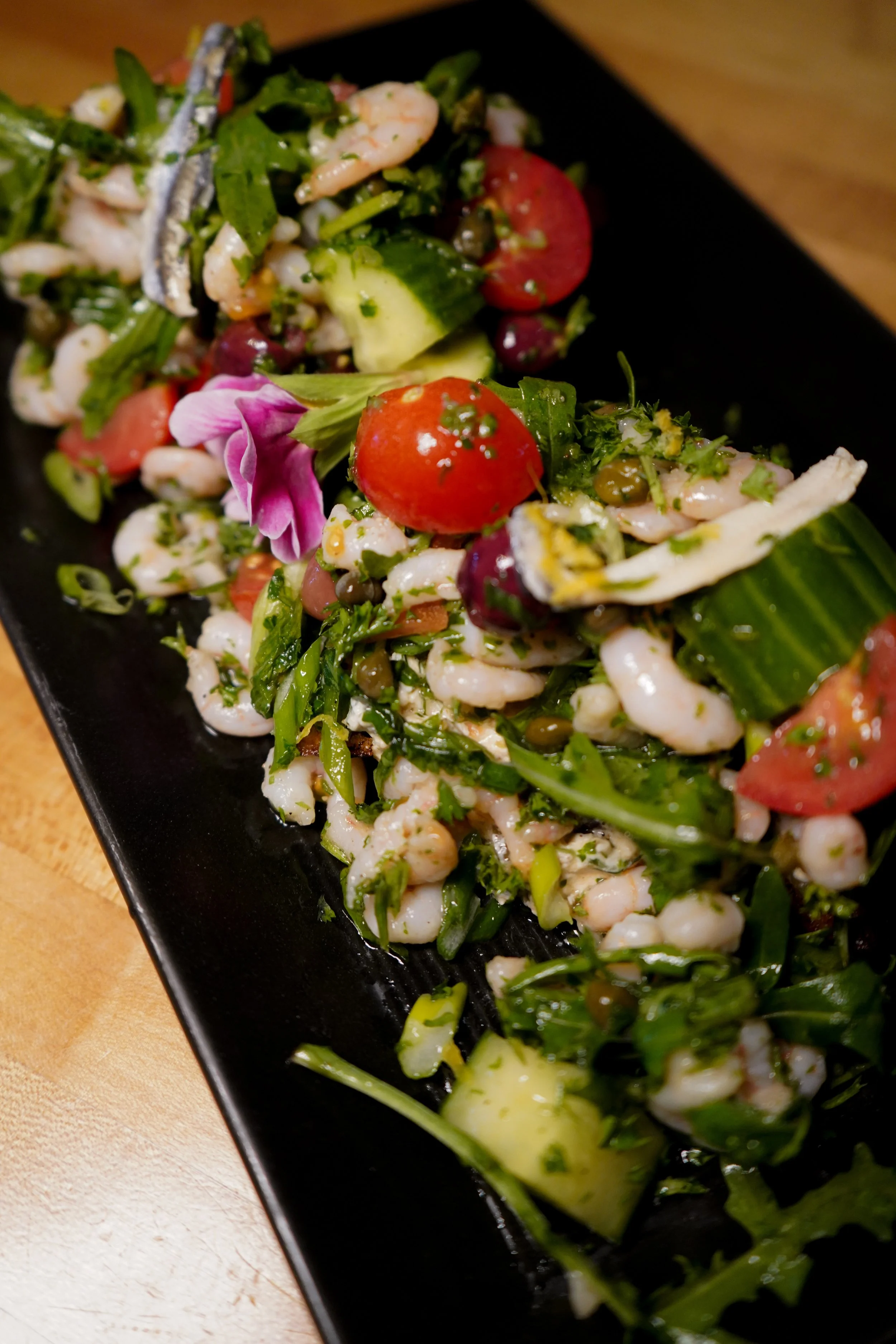
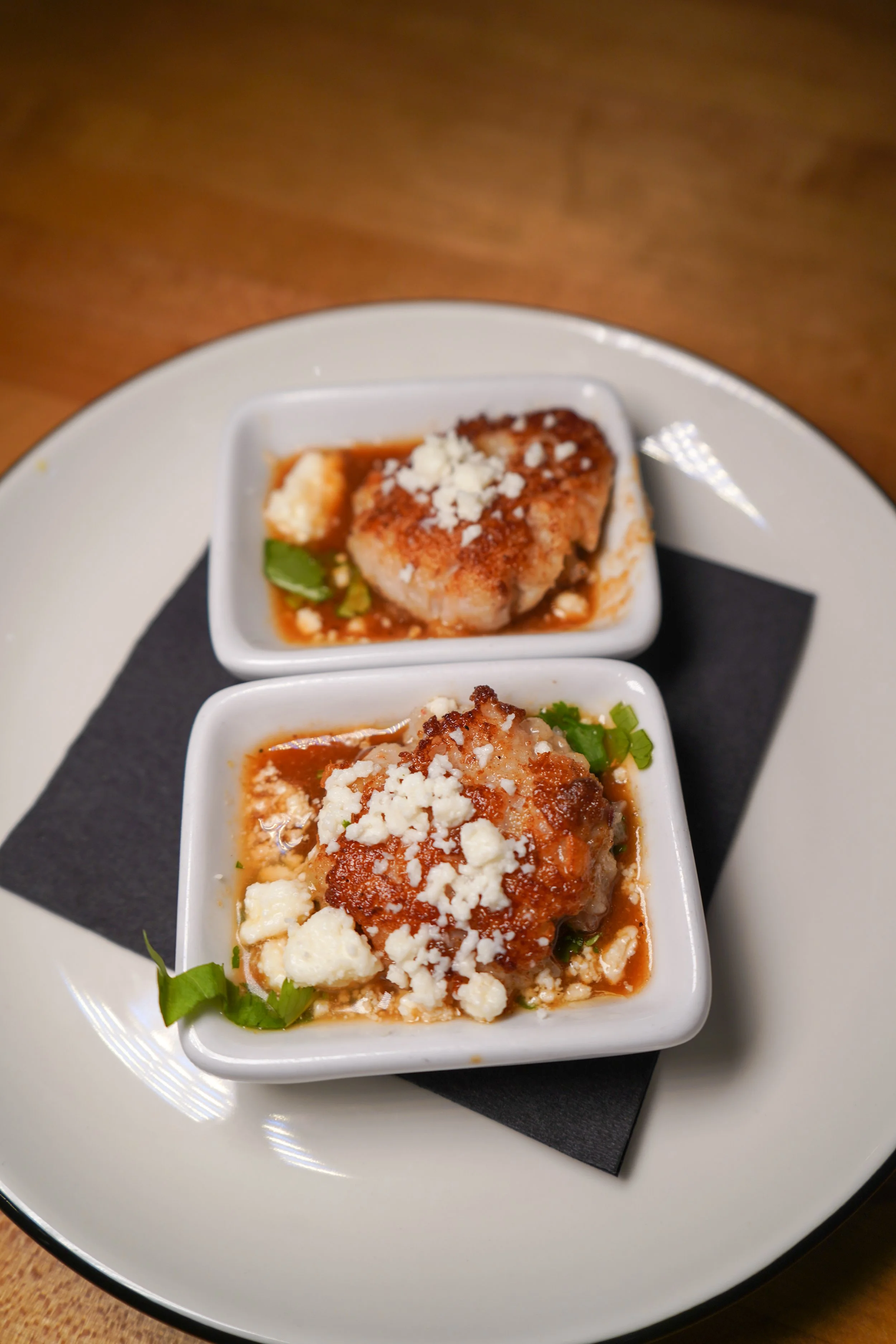
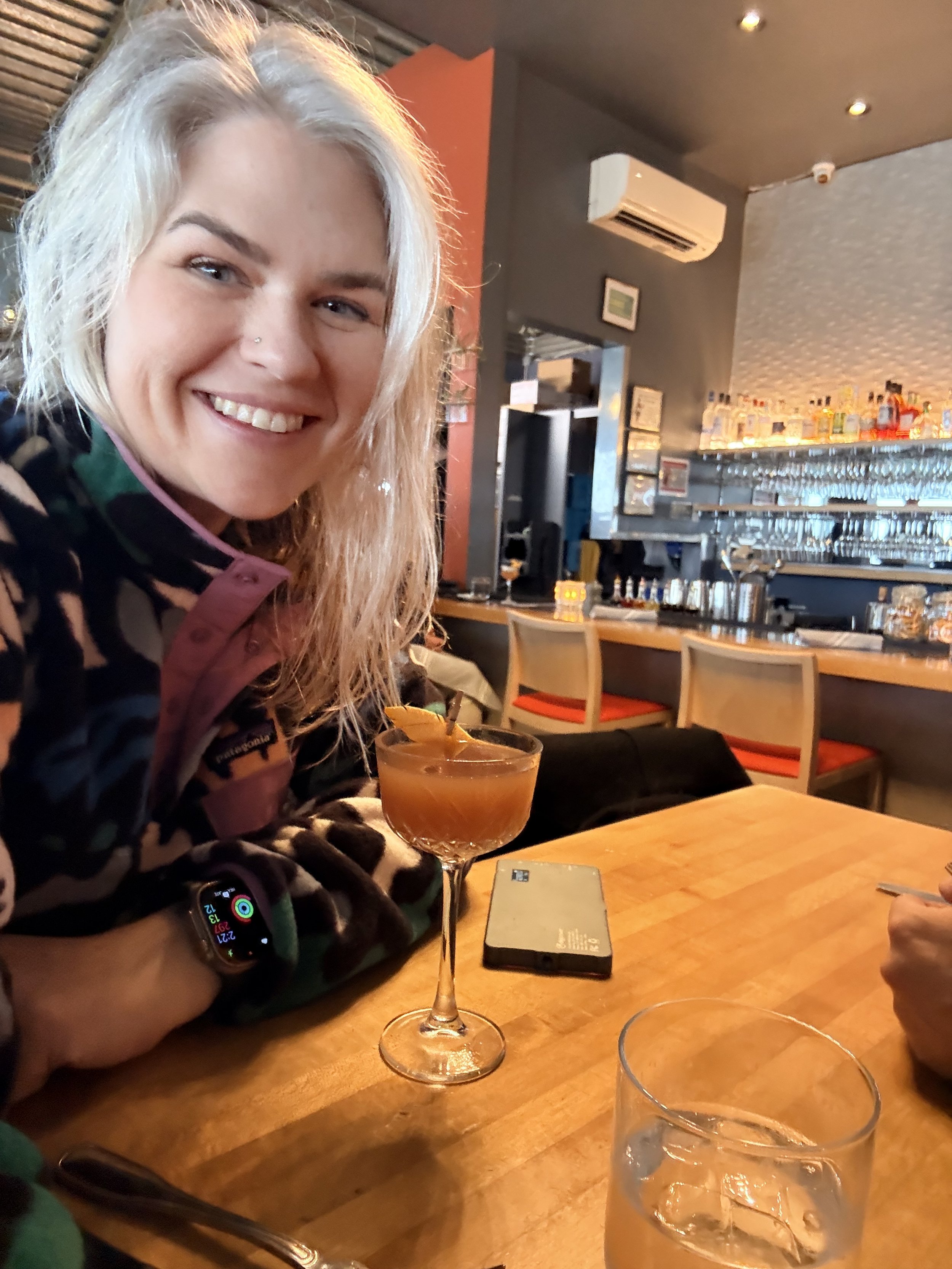
Next on the Blue Line Tour was Local Ocean Seafoods, located on Newport’s working bayfront directly above one of the Port’s active seafood processing facilities.
The restaurant operates on a true fishery to table model, purchasing directly from local vessels and building the menu around what is landed at the Port of Newport.
This direct supply chain keeps fishermen, processors, and kitchen closely linked, an example of how the blue economy functions in practice. During the Winter Waters stop, we were served fresh Pacific rockfish and Dungeness crab, paired with a coastal cocktail, each item tied to the fleet working just outside the windows and to the people whose livelihoods depend on these waters.
Central Coast Food Web at Yaquina Lab & OoNee Sea Urchin Ranch
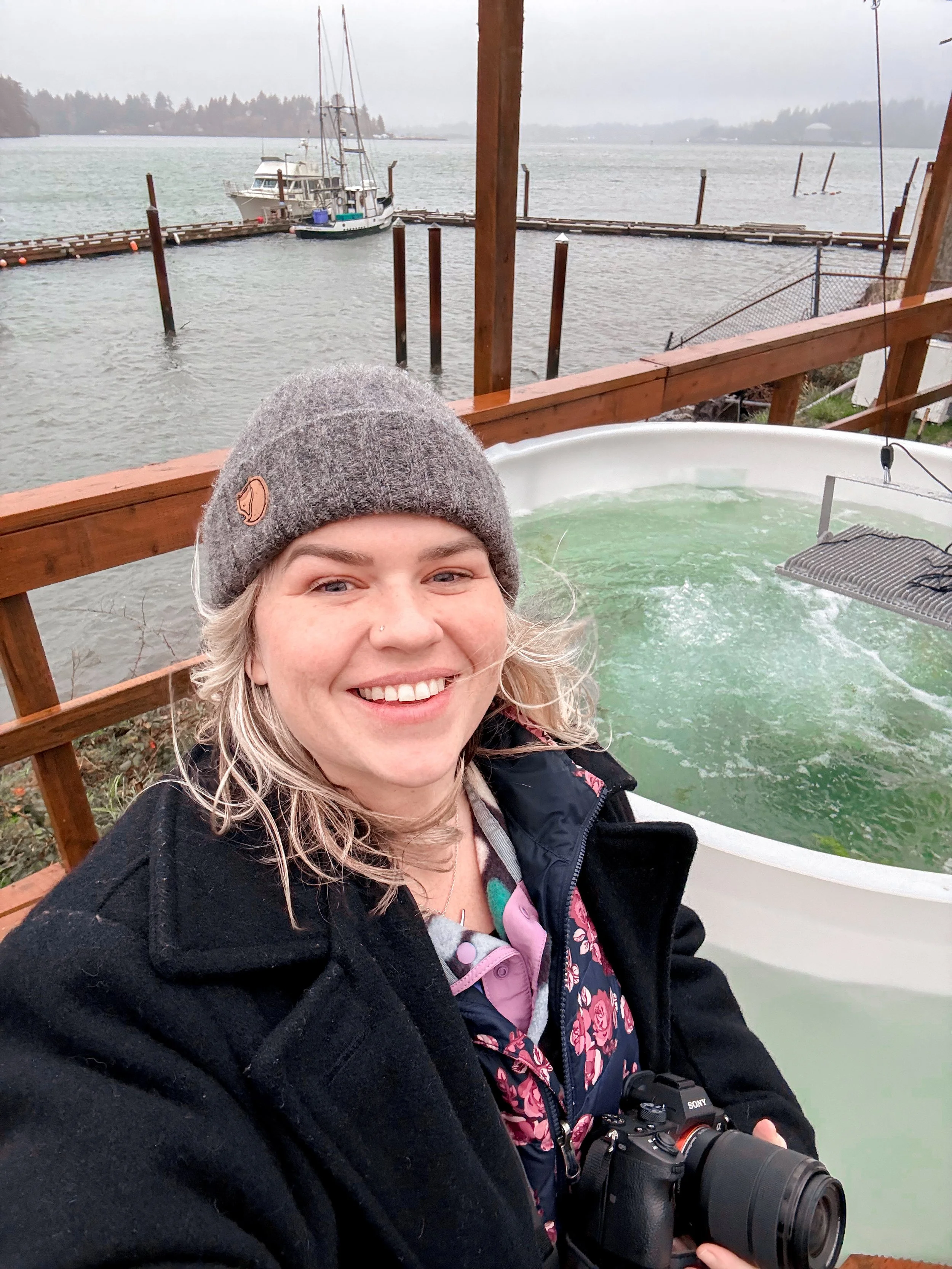
Kelp Farm!
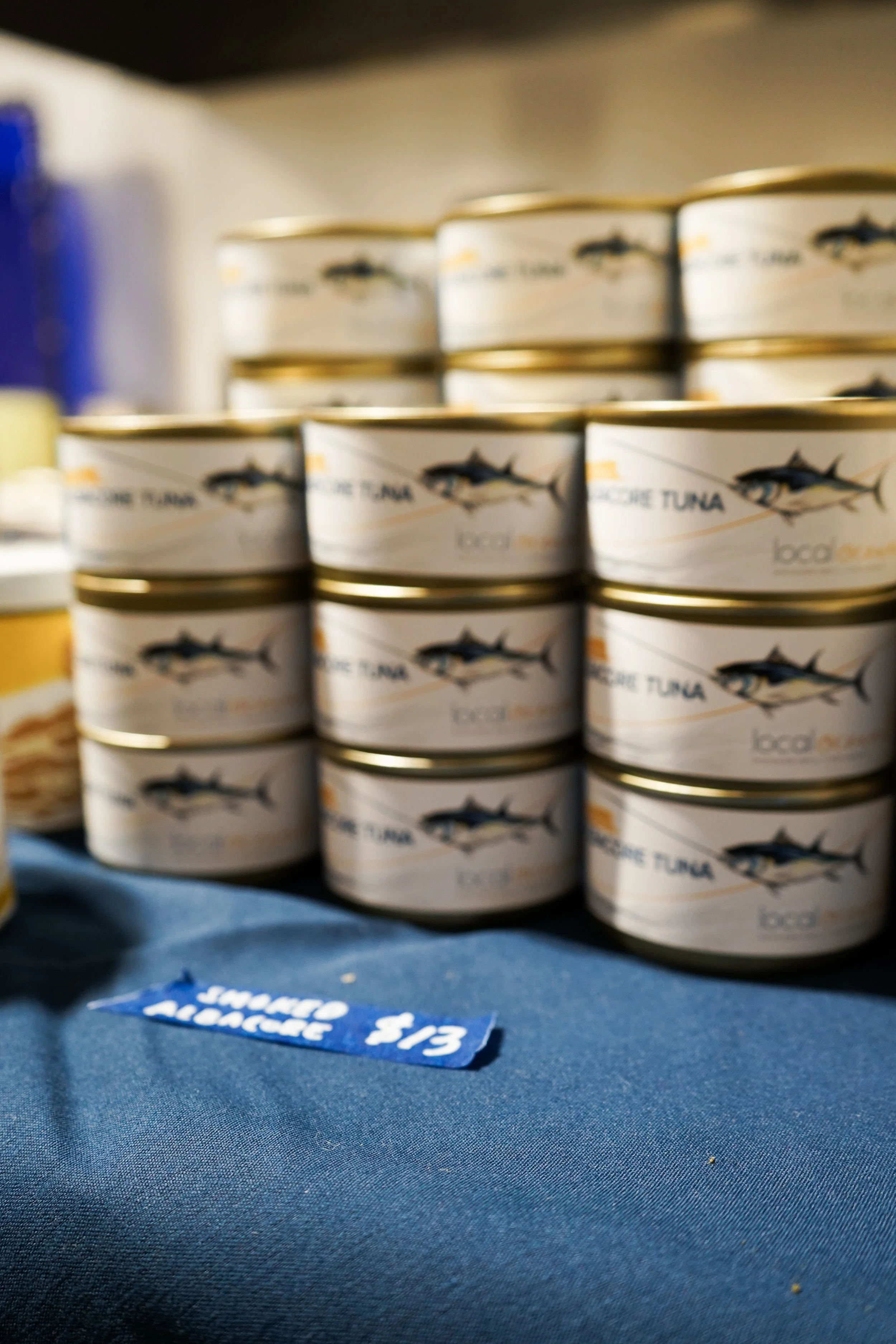
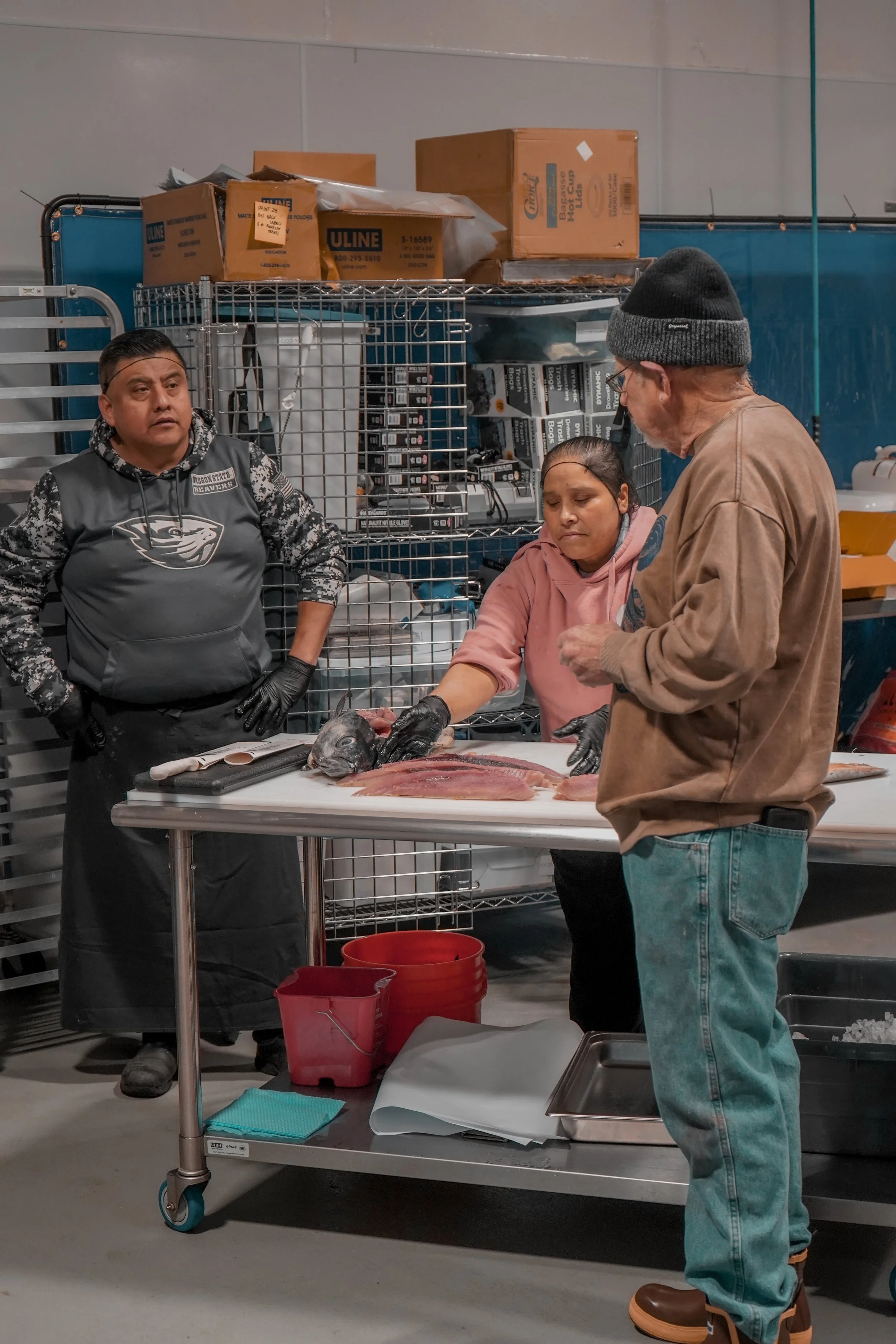
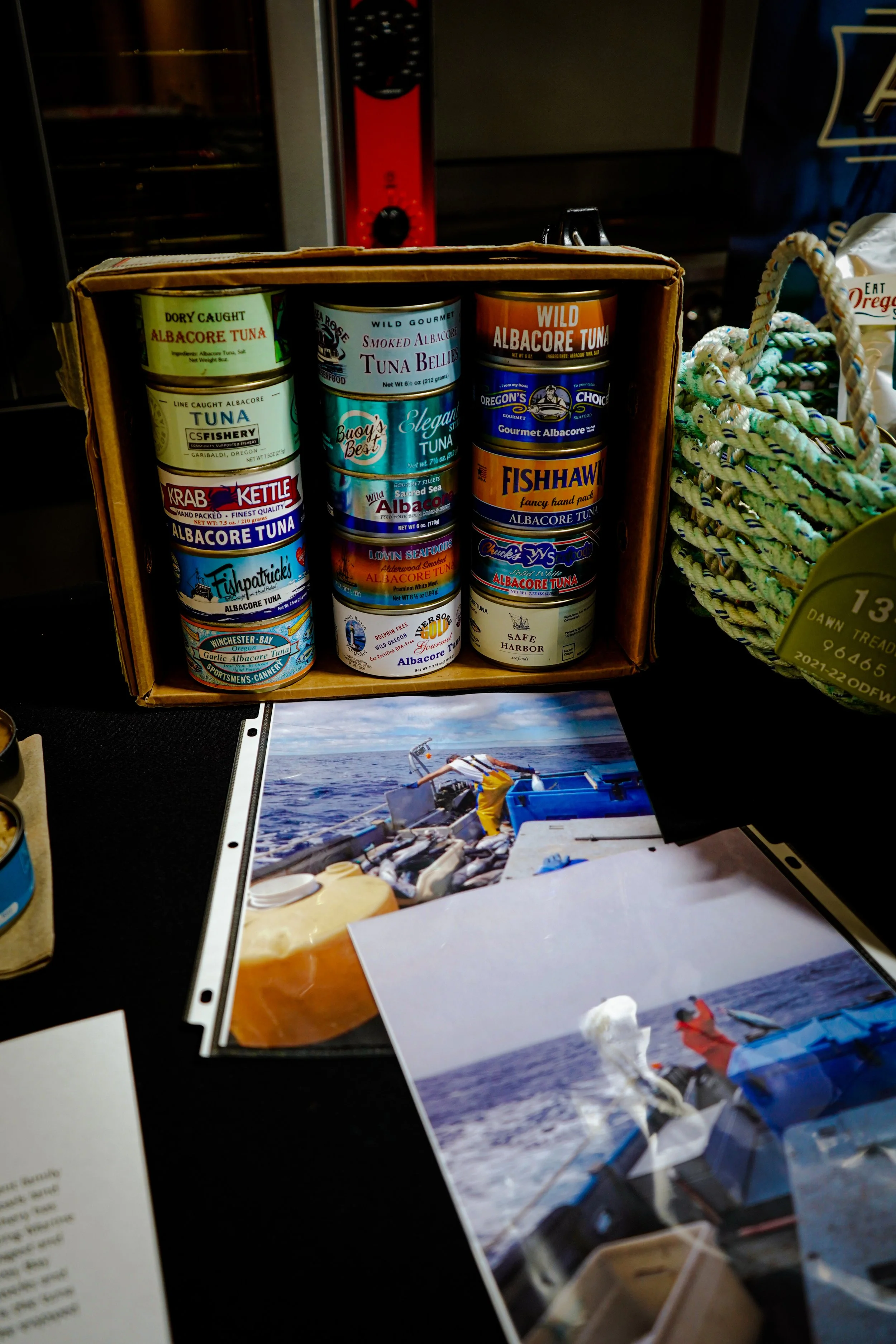
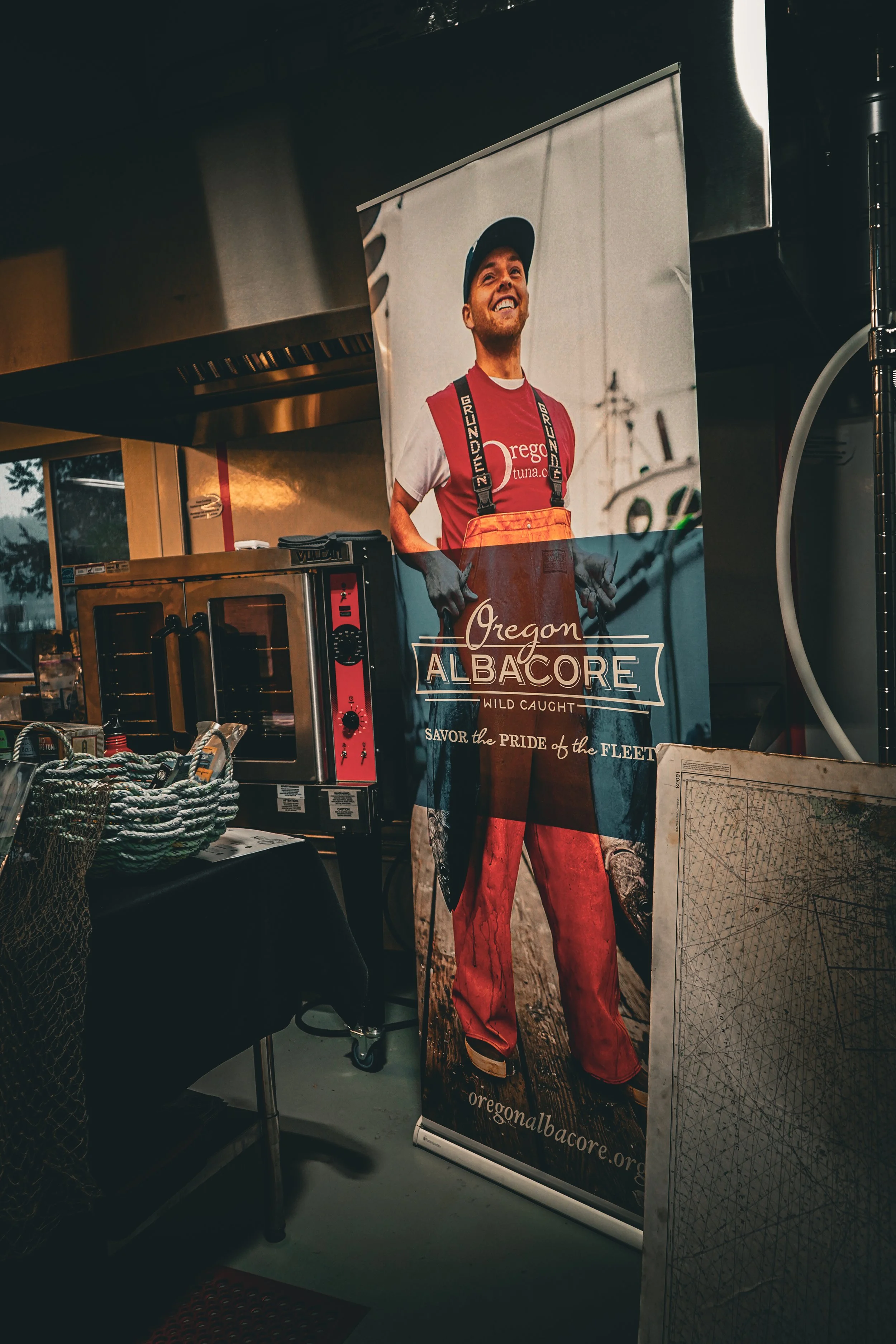
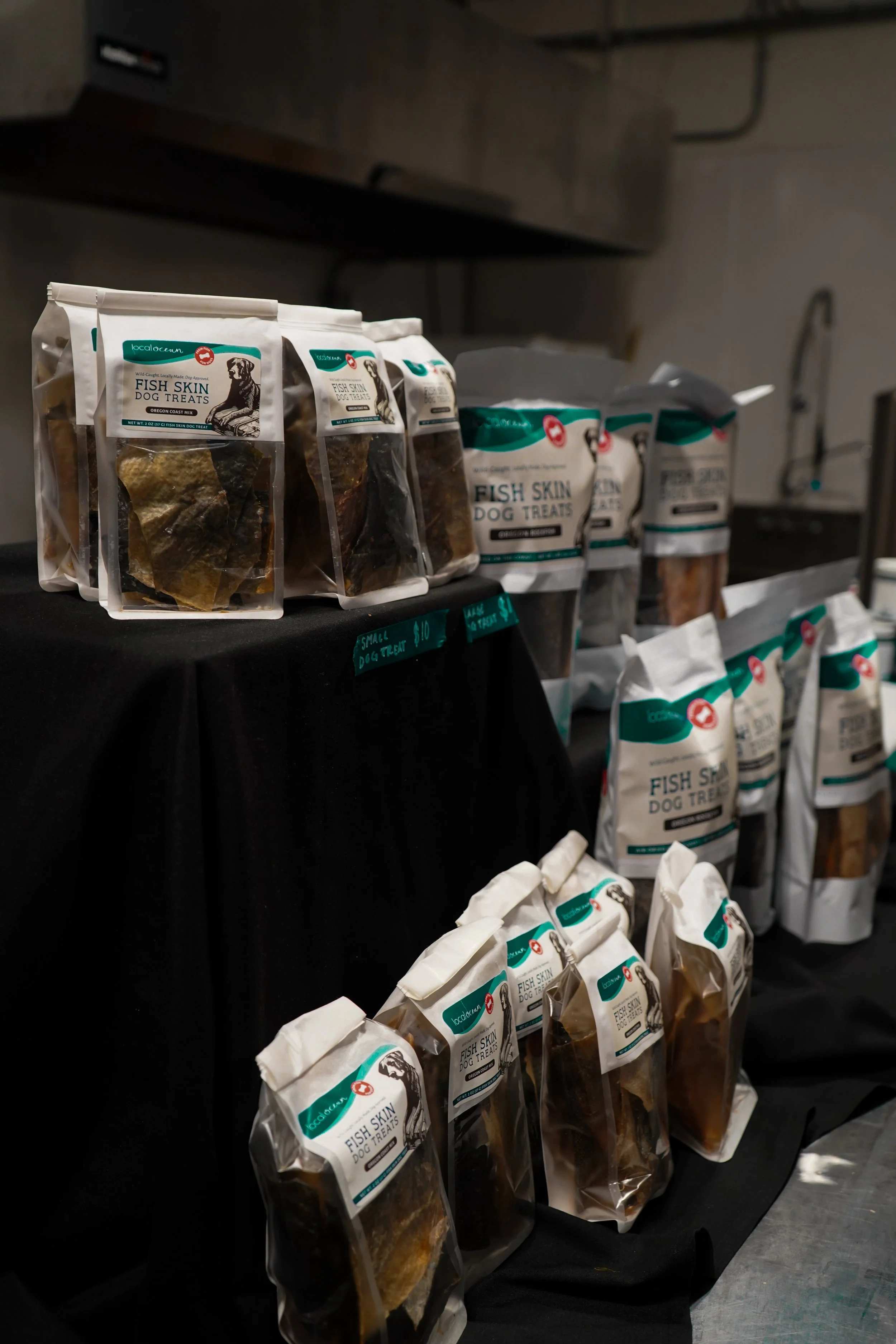
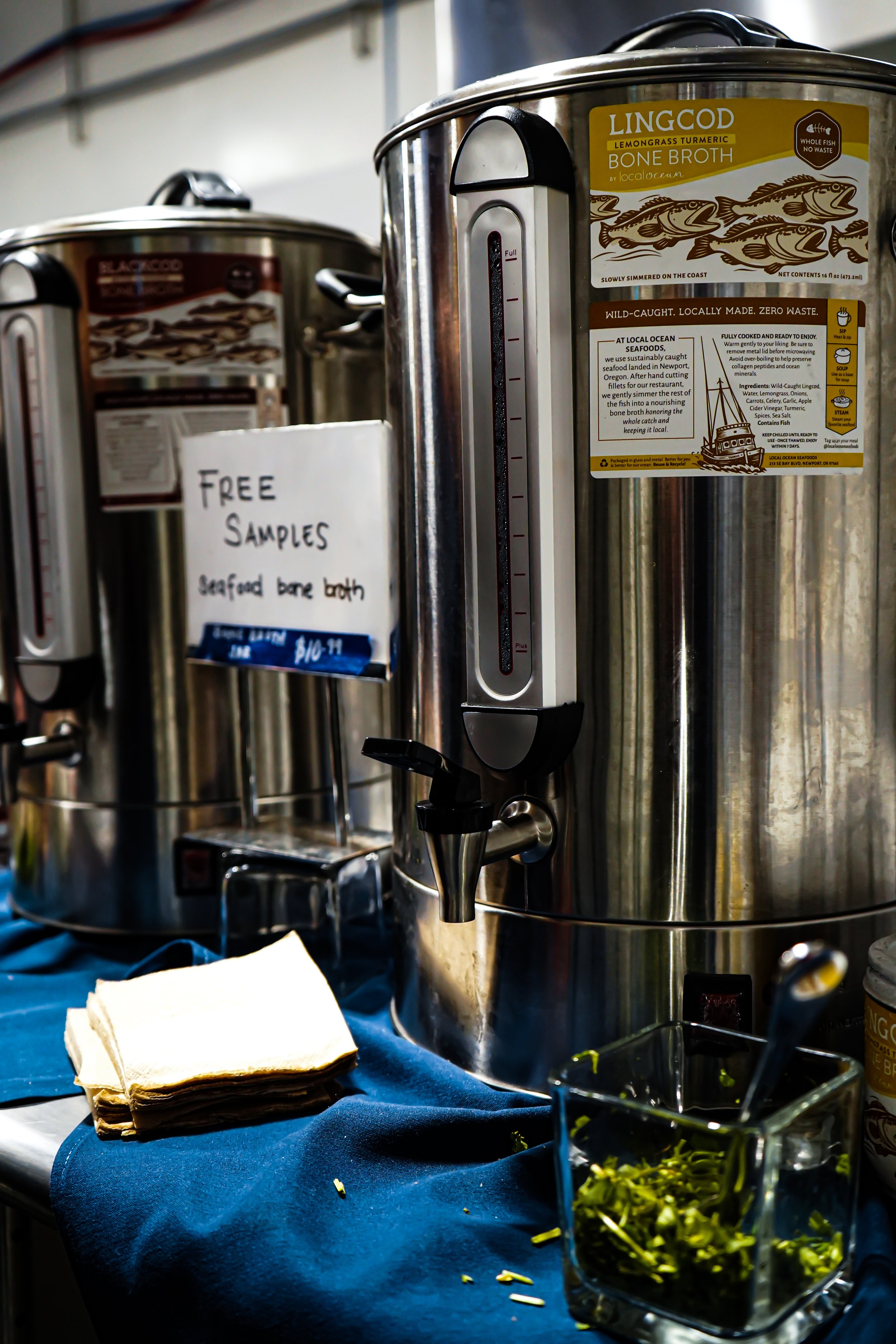
At the Central Coast Food Web stop, we entered the Local Ocean fish broth facility, part of the Winter Waters Blue Line and their 100% Fish program, working in collaboration with Oregon Albacore. Here, fish frames and bones are slowly simmered into nutrient-rich broth rather than discarded, turning processing byproduct into food and reducing waste across the seafood system.
The process supports fishermen, processors, and local food networks by extending the value of each catch and keeping resources in use. It is a practical example of how coastal communities use full-resource methods to strengthen both sustainability and the working waterfront.
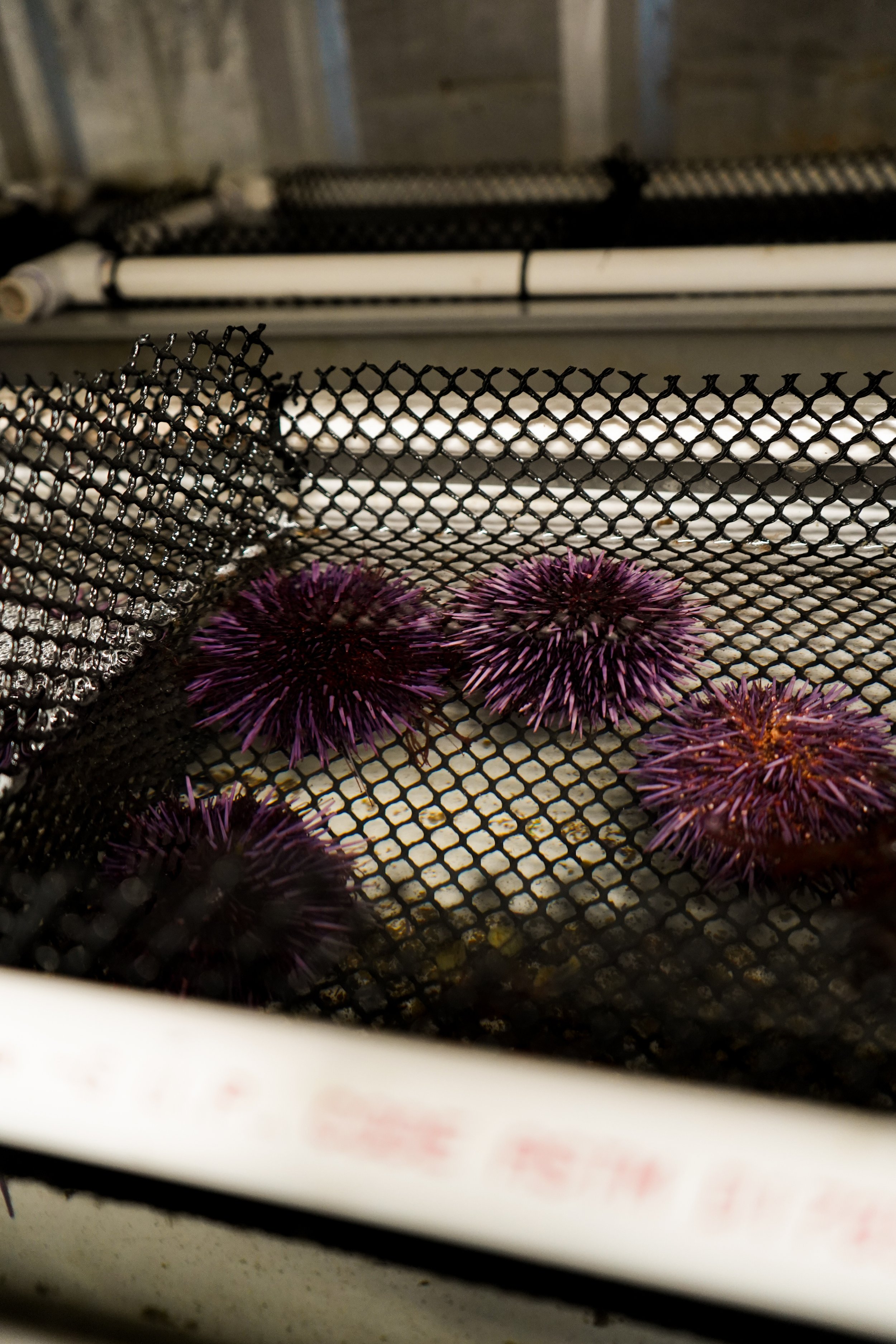
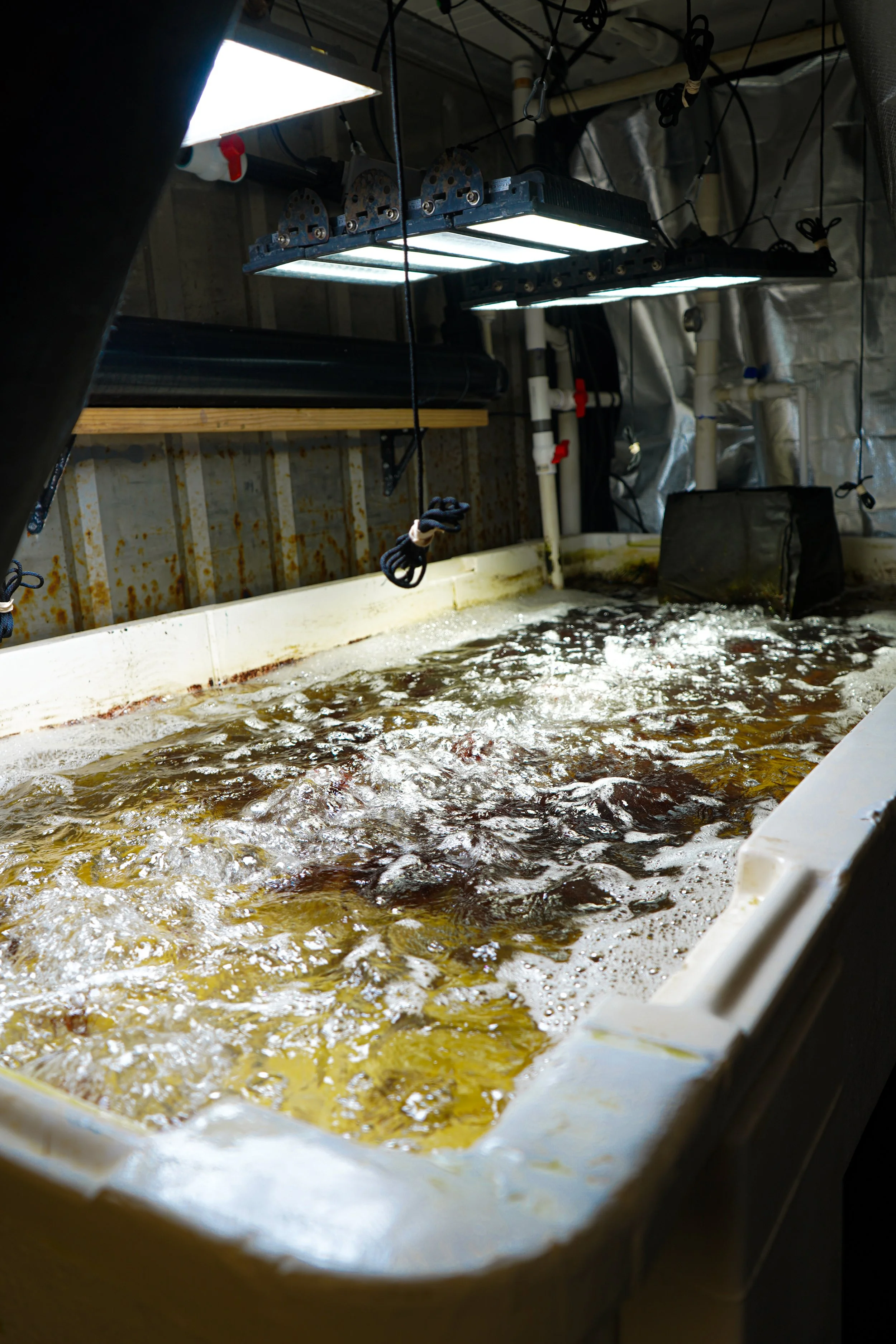
From there we toured the connected sea urchin and kelp operation. Purple sea urchins are collected from areas where overgrazing has reduced kelp forests, then held in controlled seawater systems and fed to restore quality for harvest.
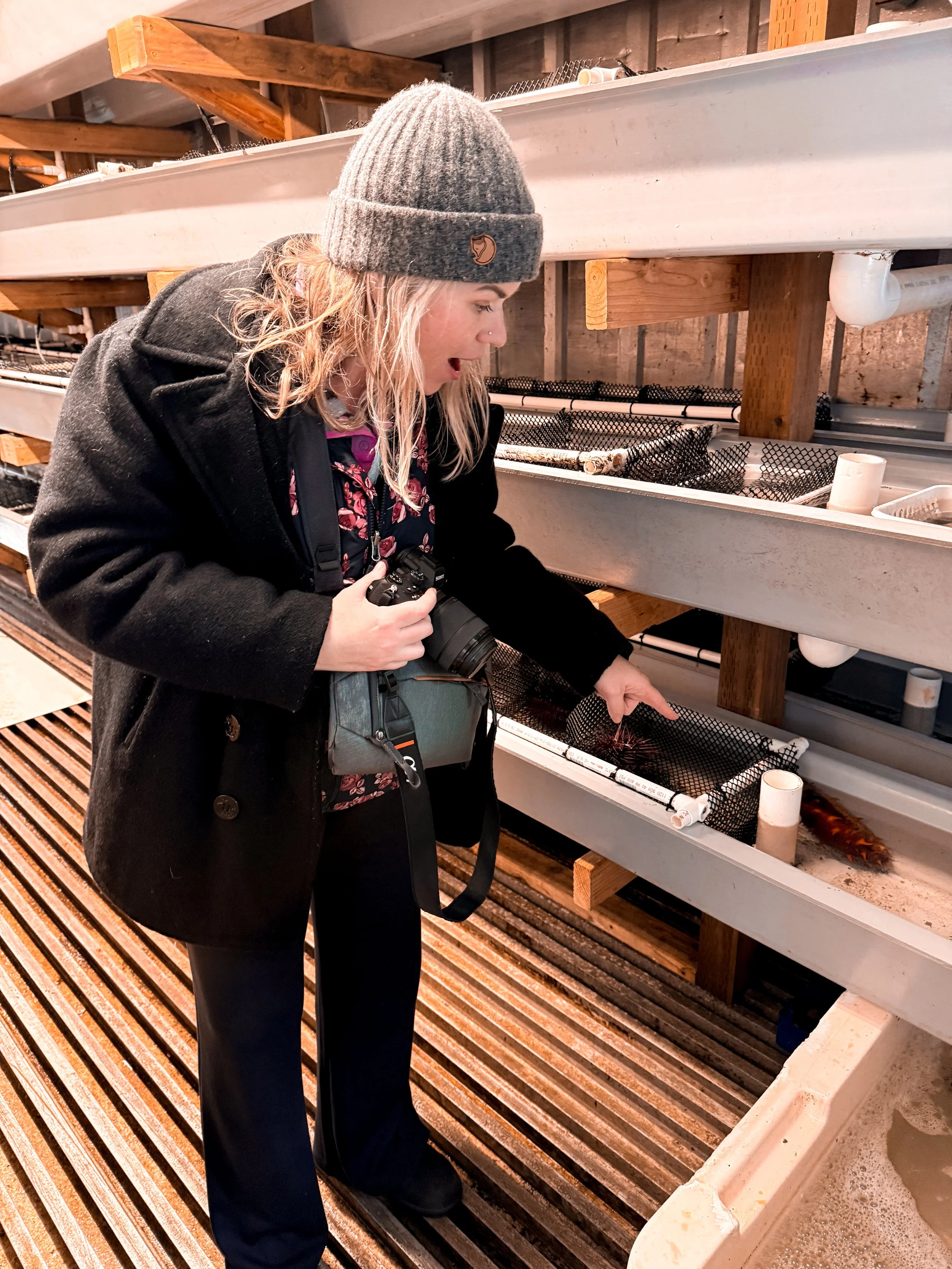
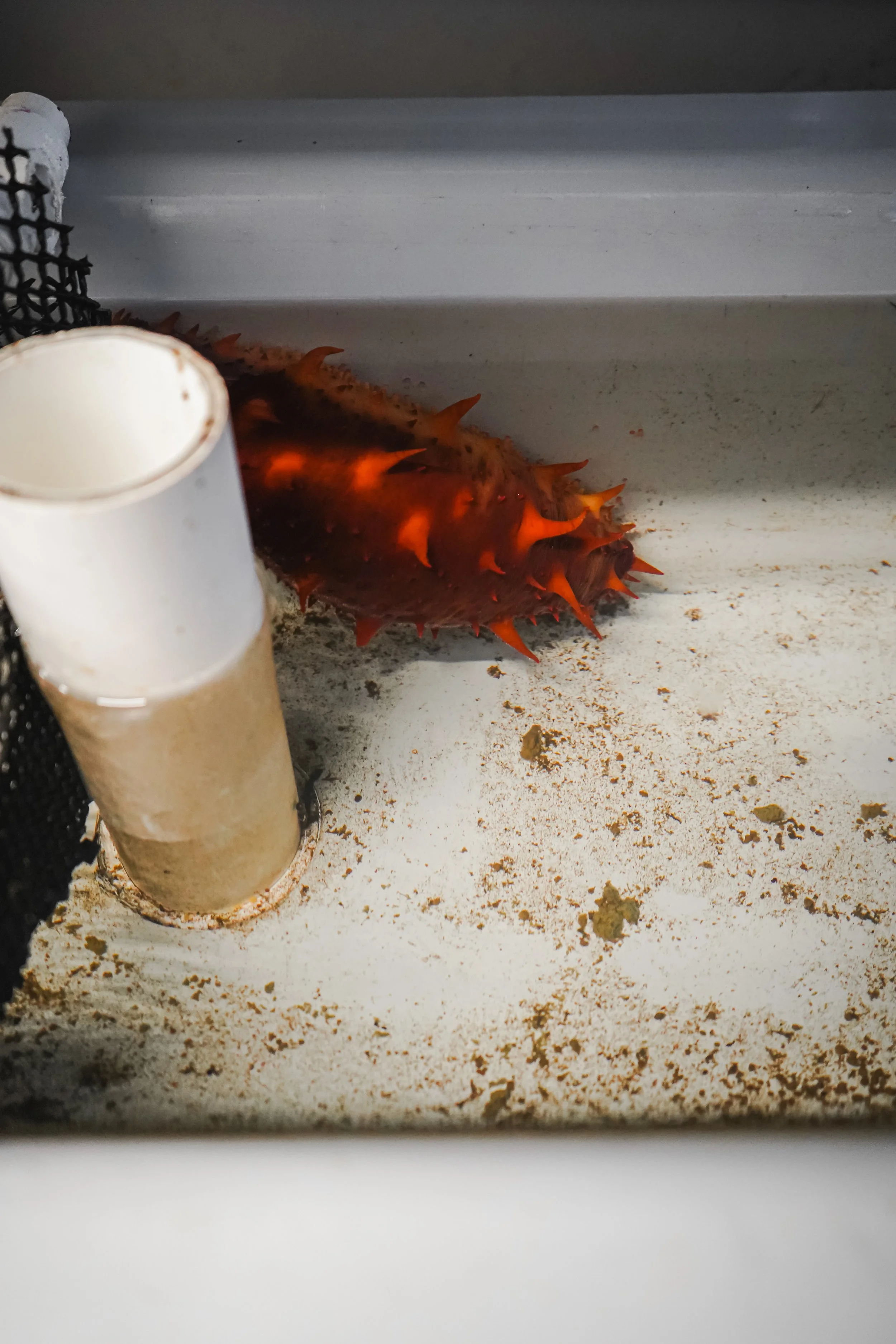
A sea cucumber!
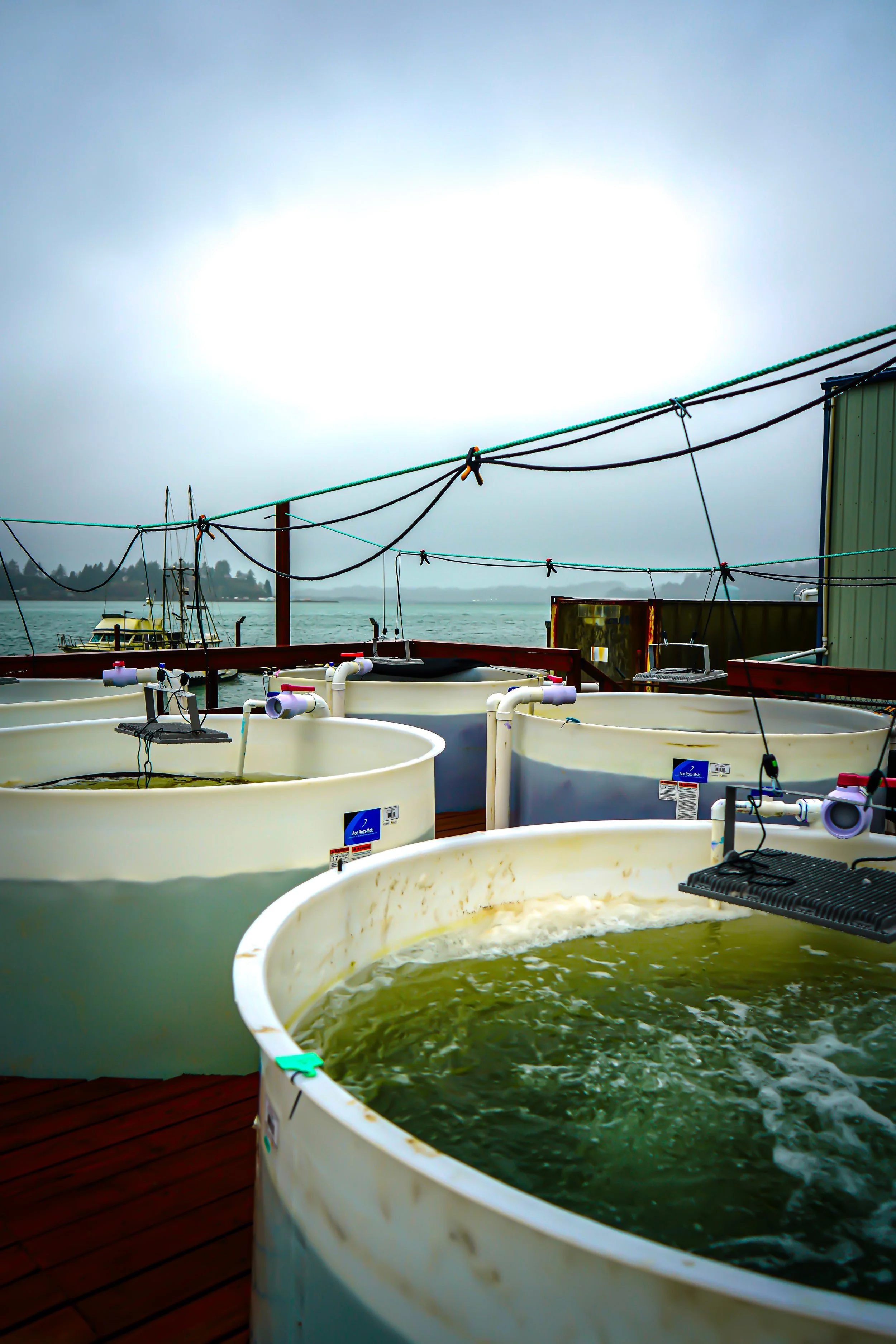
This work links aquaculture with ecosystem balance, supporting kelp recovery while producing a high-value seafood product. Tanks moved with circulating seawater, rows of urchins under observation, and a rare sea cucumber among them.
The system reflects another layer of the coastal economy, research, restoration, and marine cultivation working together to support Oregon’s ocean communities.
Squatchsami Fish & Chips Outpost
After a long day of labs and fish guts there was someone I needed to see. Just up north on 101, past Gleneden Beach….
Years ago, when I was working wild and feral along this stretch of coast, Debbie was one of the people who made sure I ate.
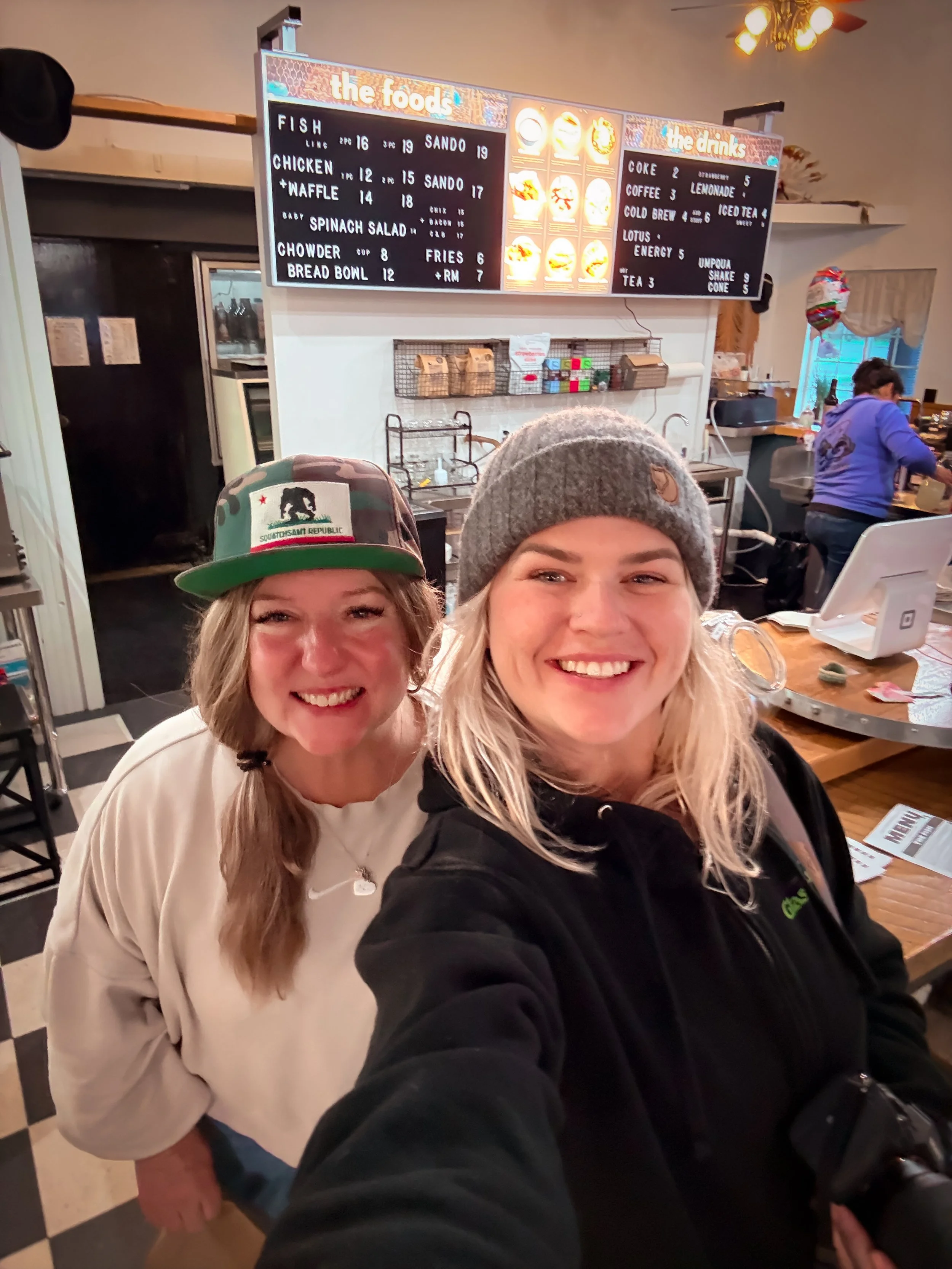
My friend in the coastal dark, Debbie.
A harbor is more than boats. It is people.
Now her place stands solid along Highway 101 in Gleneden Beach, near Siletz Bay, Squatchsami Fish and Chips, a brick and mortar built through years of grit and long days standing outside her foodtruck in whatever weather. She serves locally sourced Oregon seafood whenever available, beer battered fish, seasonal Dungeness crab, and chowder made from real stock (love, magic).
I am so proud of what she has built. This is homemade coastal community, people feeding people, food tied to the local boats and our precious, wild waters.
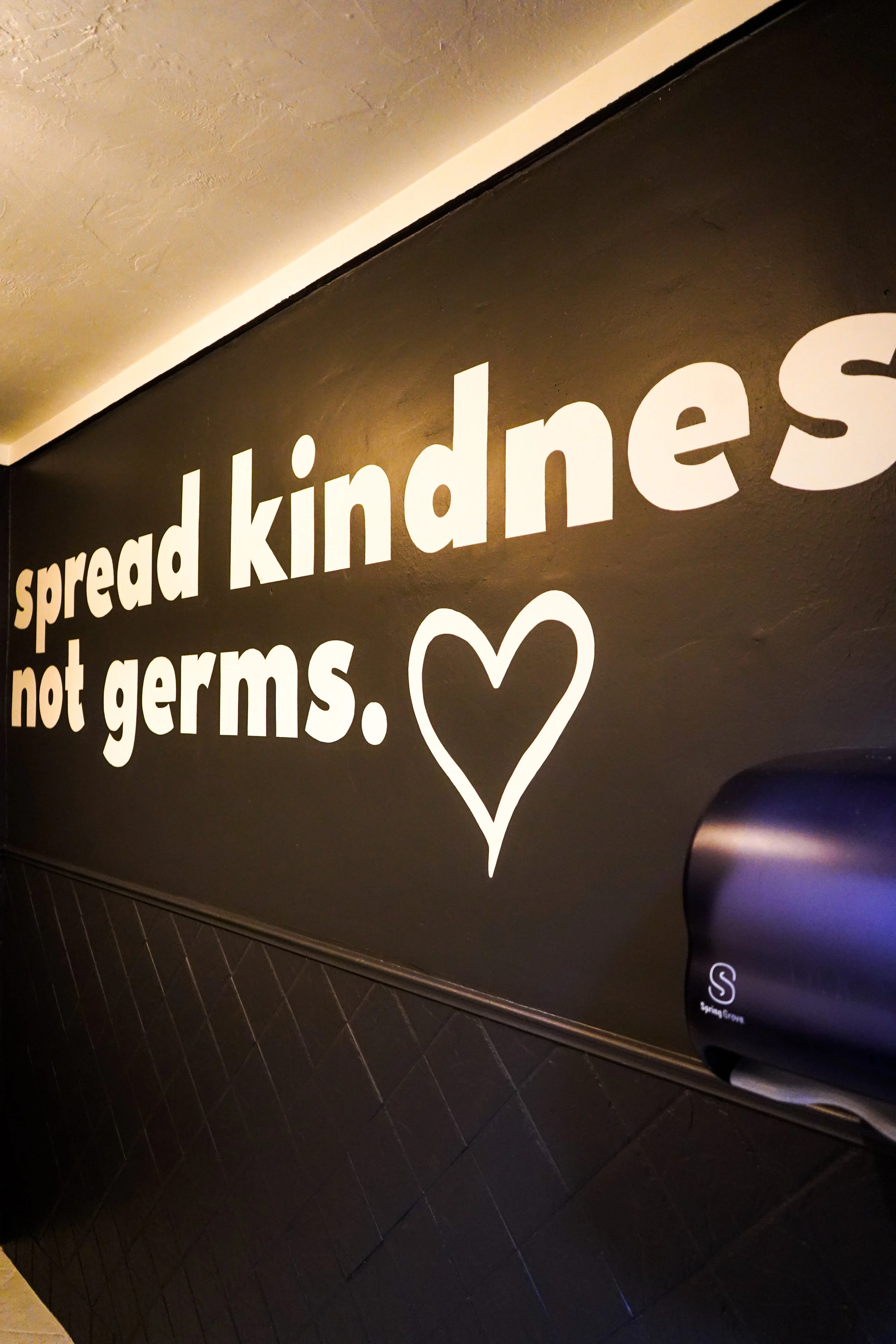
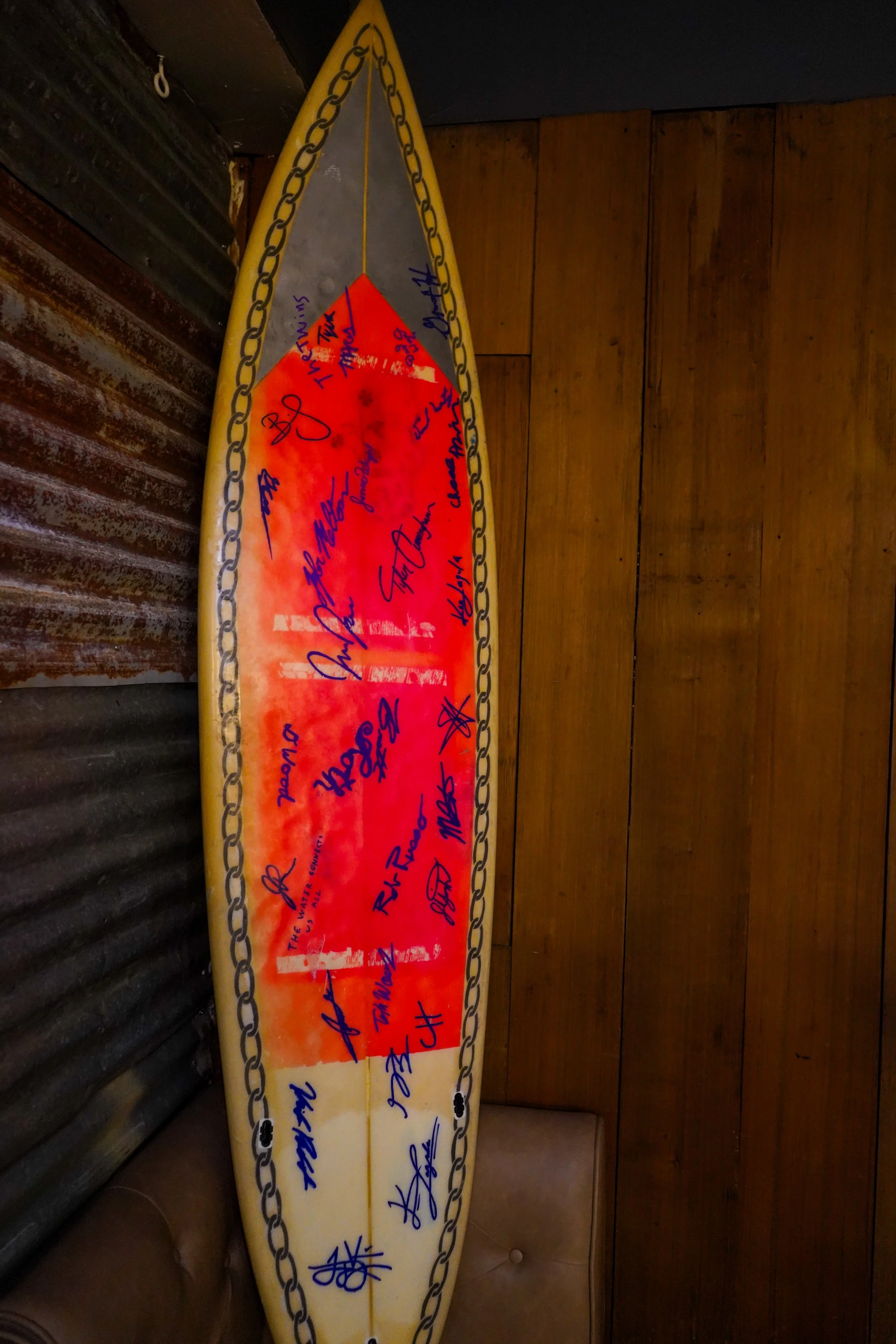
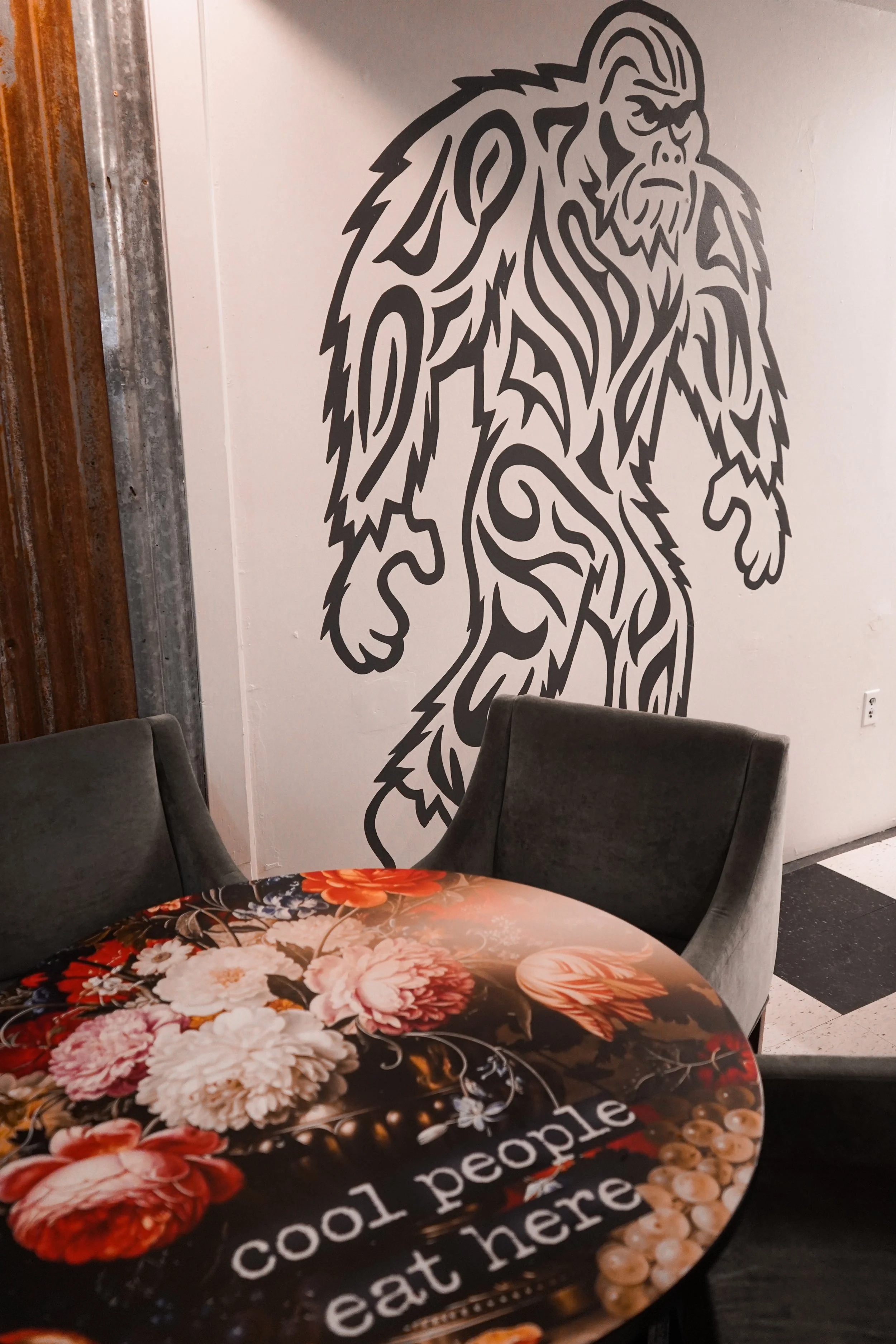
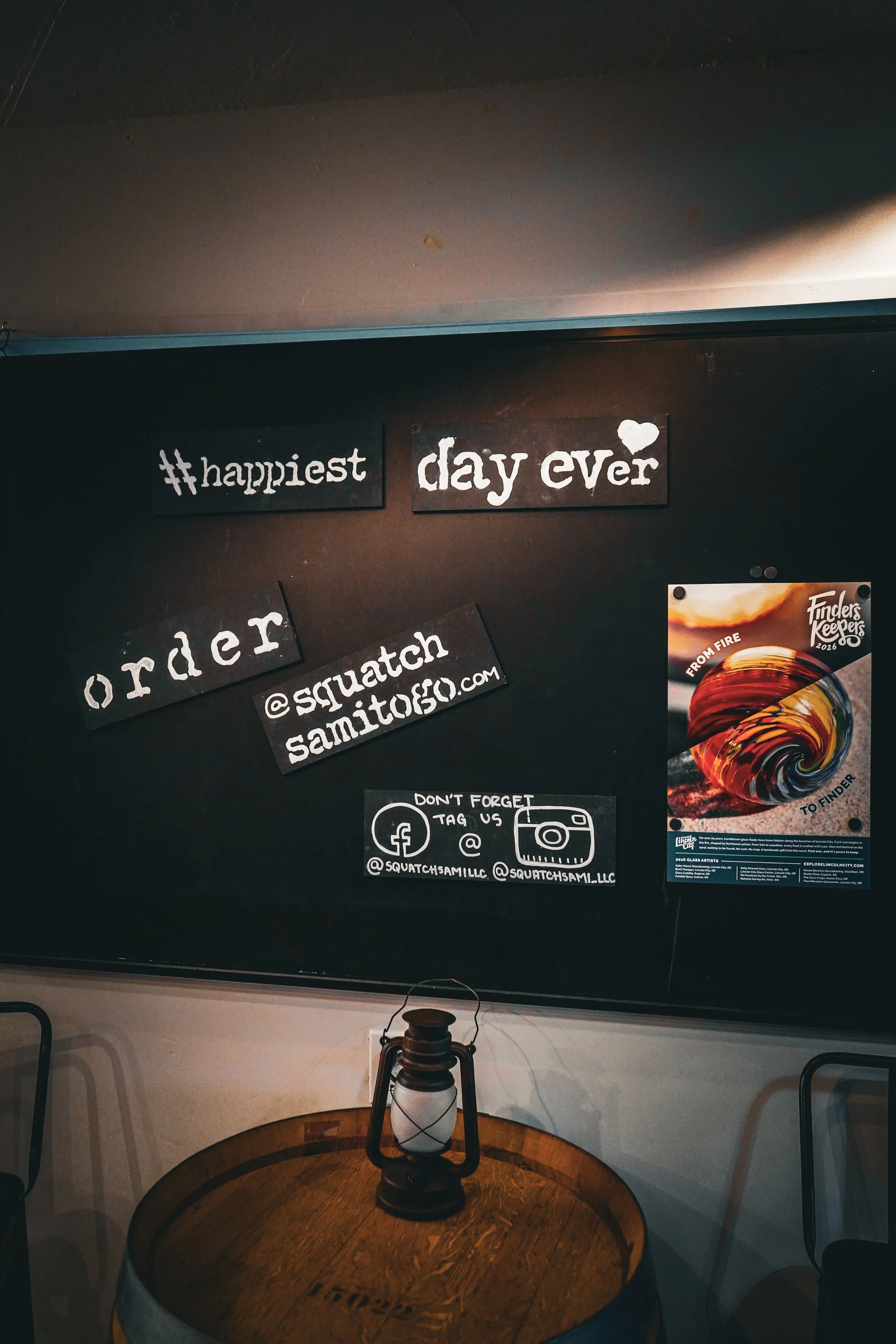
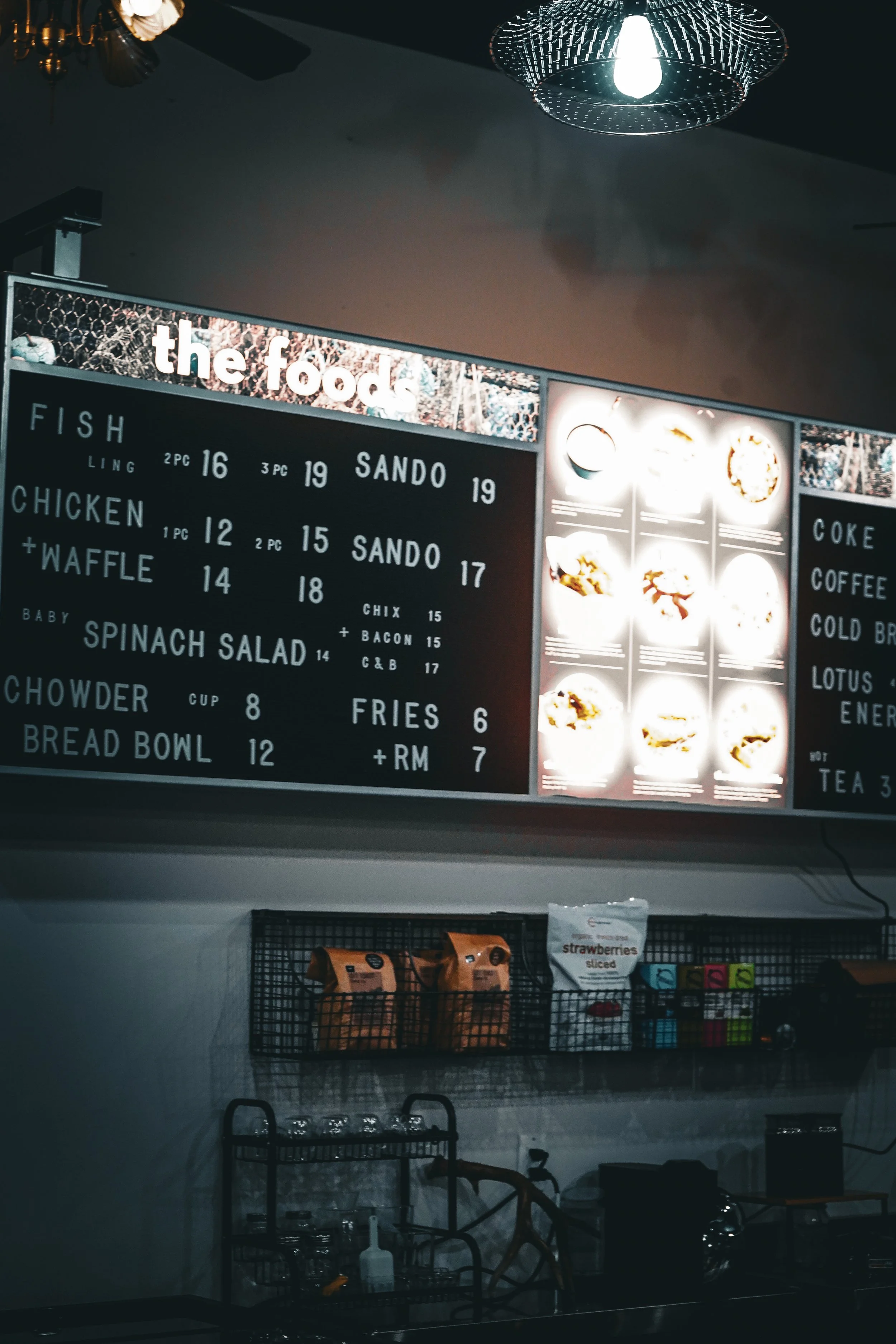
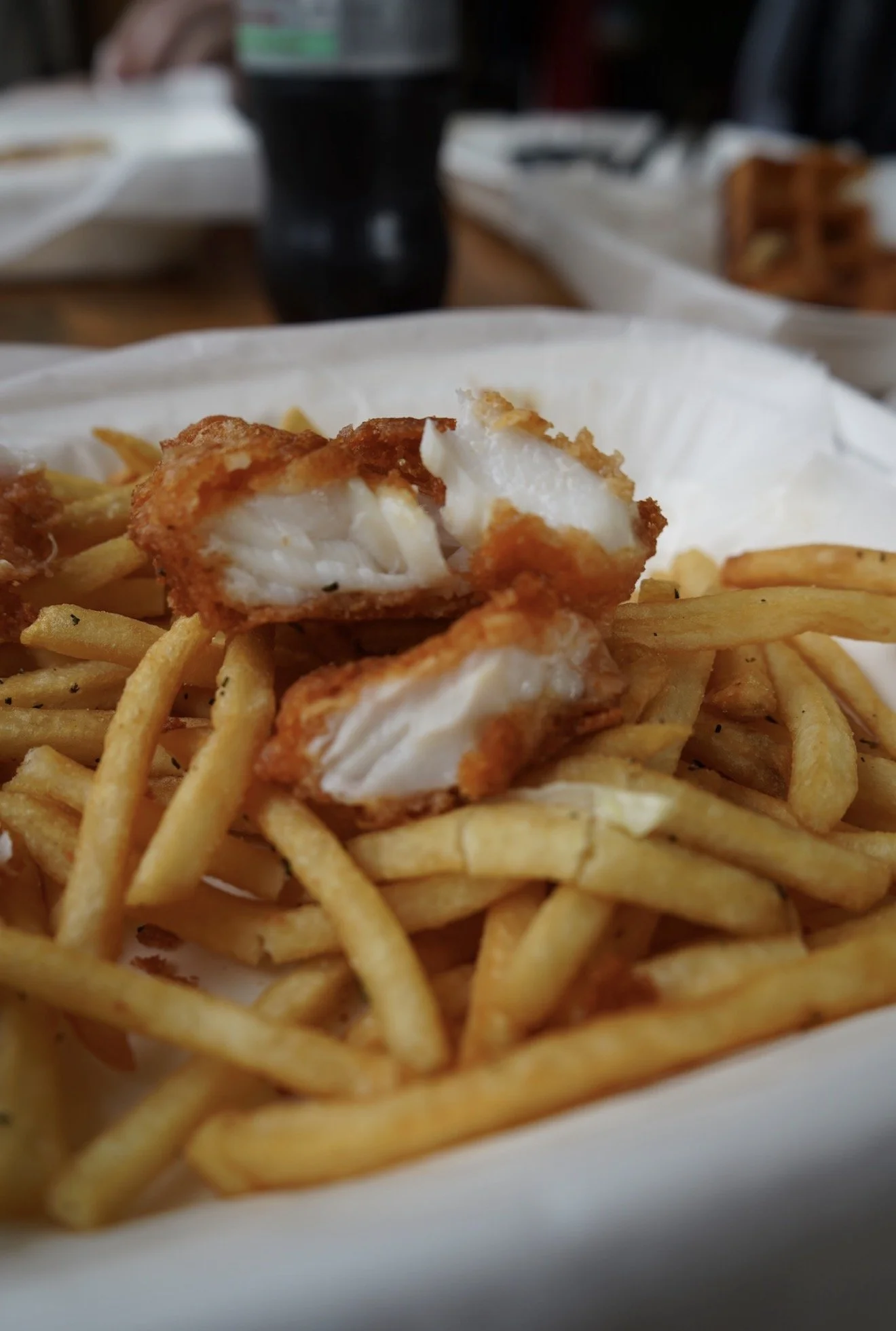
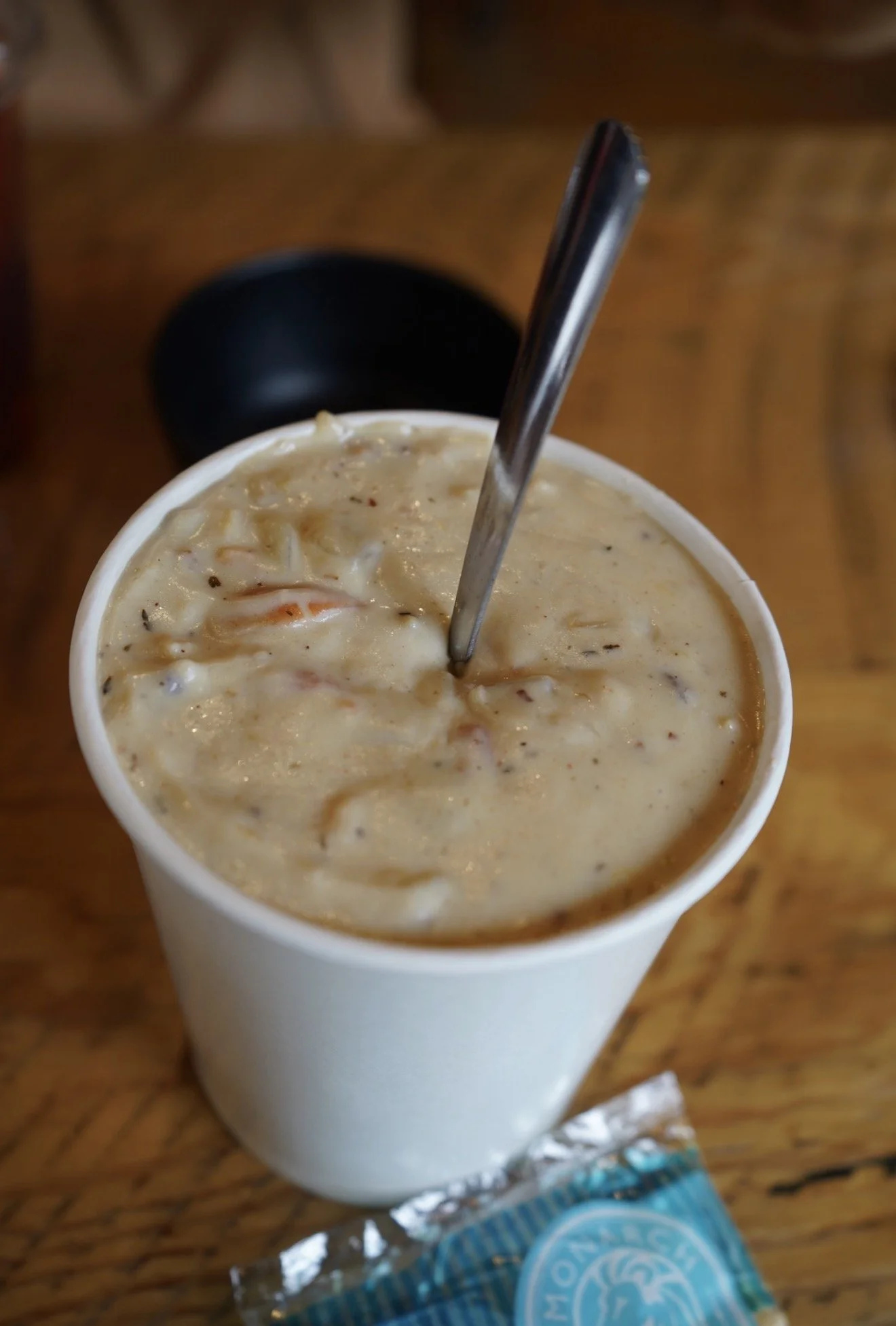
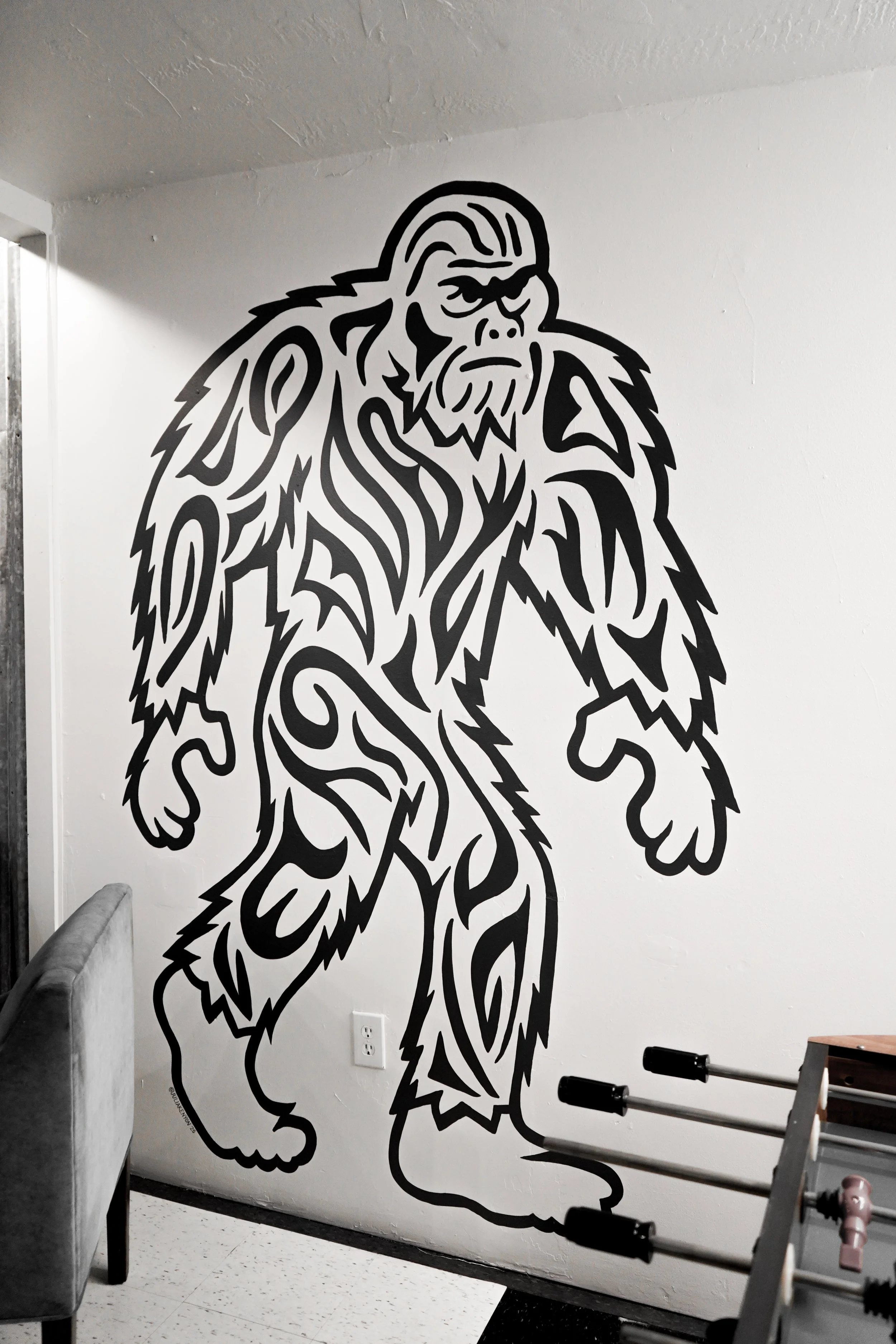
Squatchsami is an outpost, a signal in the dark.
Also, it’s where Bigfoot eats.
Sound bath healing & reiki at Salishan
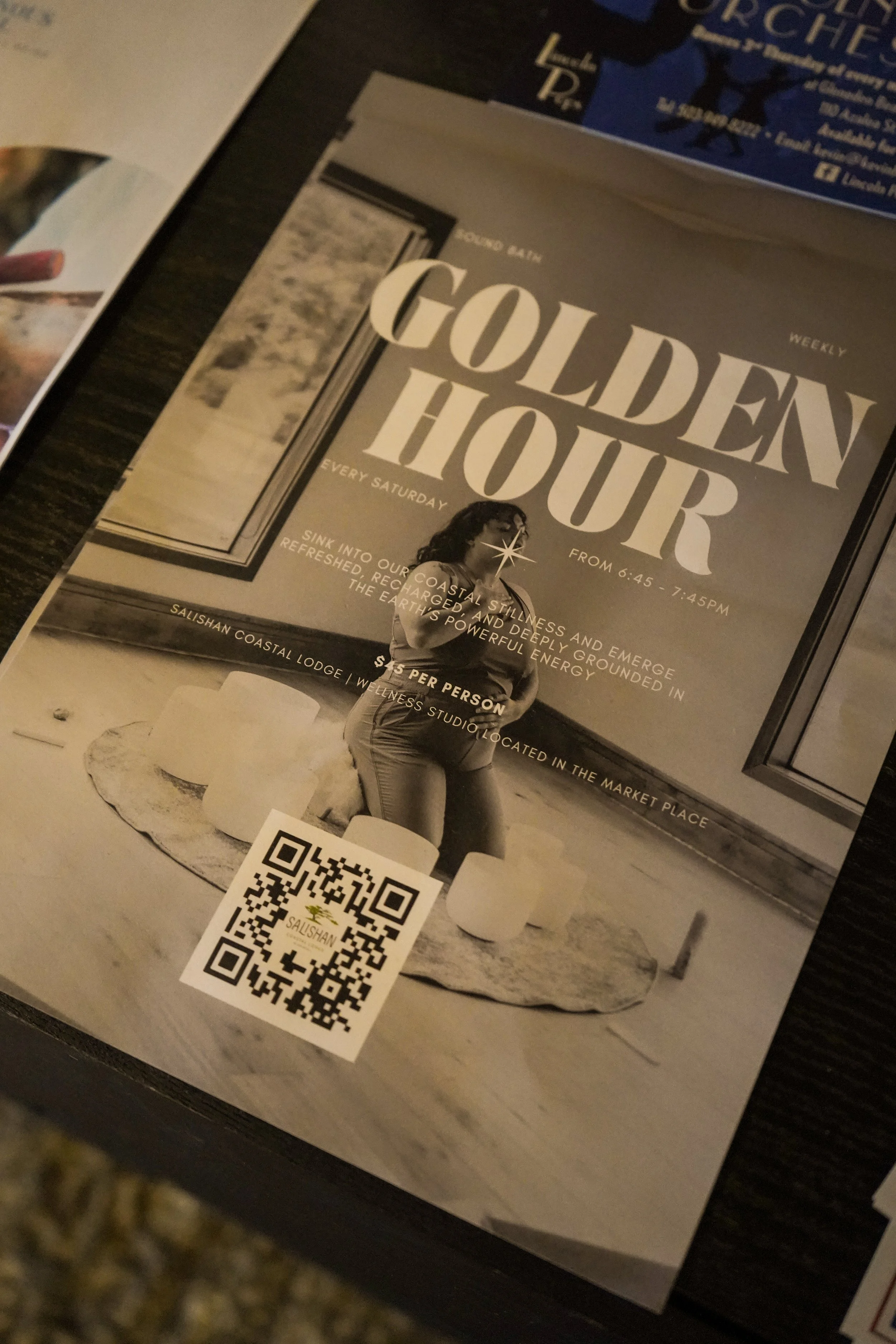
Sound moves where words cannot.
That evening we returned to Salishan for a guided sound bath and reiki session offered through the spa and wellness program, one of several wellness experiences available on property alongside the spa, forest bathing walks, meditation, and restorative bodywork.
The session was held in a quiet room among the trees near the bay. Phones were not allowed.
A sound bath uses sustained tones from crystal bowls and chimes to slow the nervous system, regulate breath, and guide the body into deep rest. Reiki is a gentle energy practice focused on grounding, release, and balance. Together, they create space for physical and emotional reset.
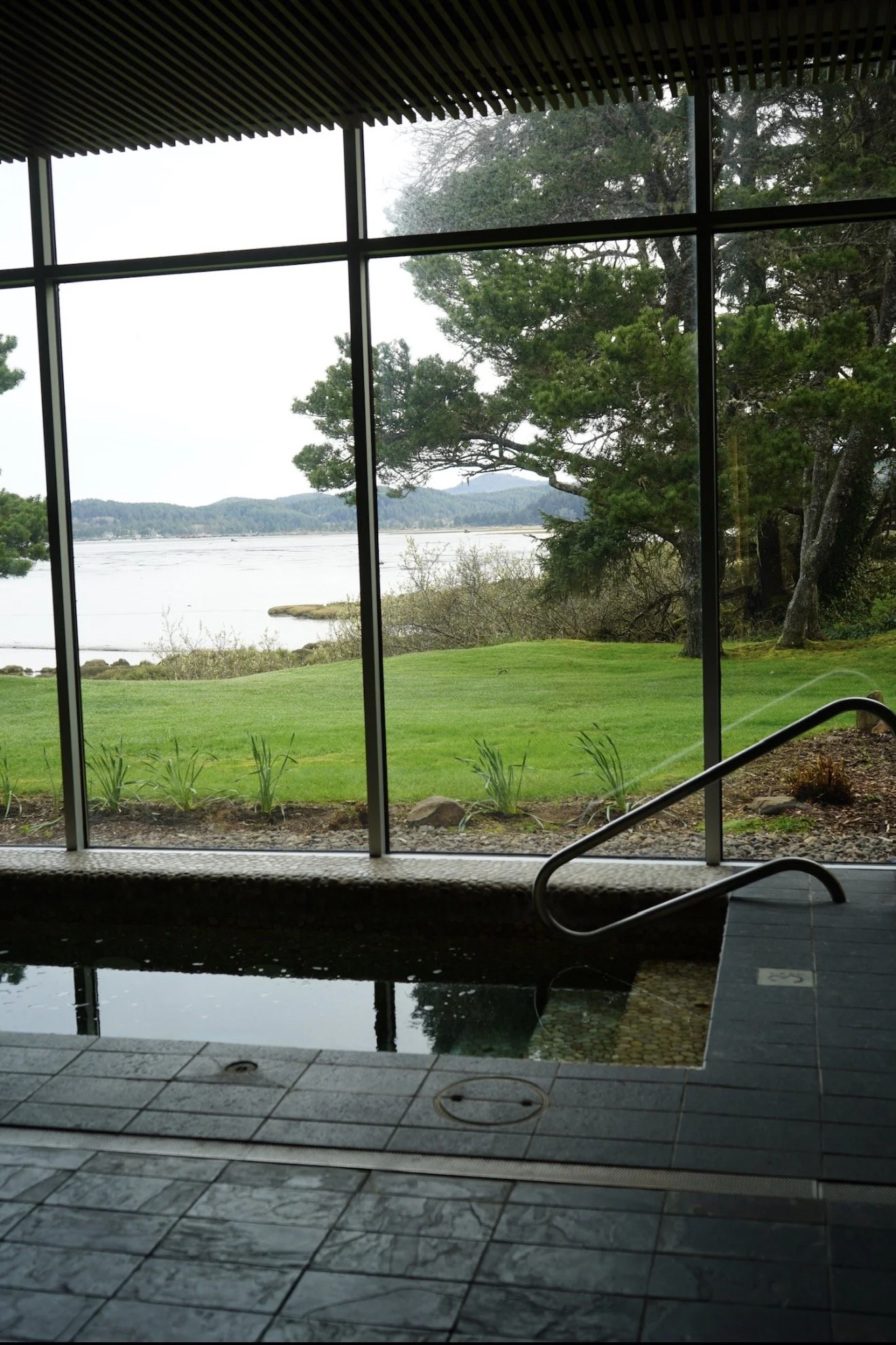
My favorite spa
The sound bath began with sustained tones from crystal bowls, vibration felt through the body, slowing breath and settling the nervous system. Grief surfaced. Tears came. The release was gradual, uneven, real. Sound healing works through regulation and rest, helping the body shift out of stress and back toward balance.
Like the coastal systems we had been studying all weekend, healing moves through connection, small changes creating wider effects, one ripple extending into the next.
That night I dreamed of the practitioner from the session. She gathered us into a shared embrace and told me to let the people around me help carry what I had been holding.
The message echoed the same truth present throughout Winter Waters, care, understanding, and community are what sustain us.
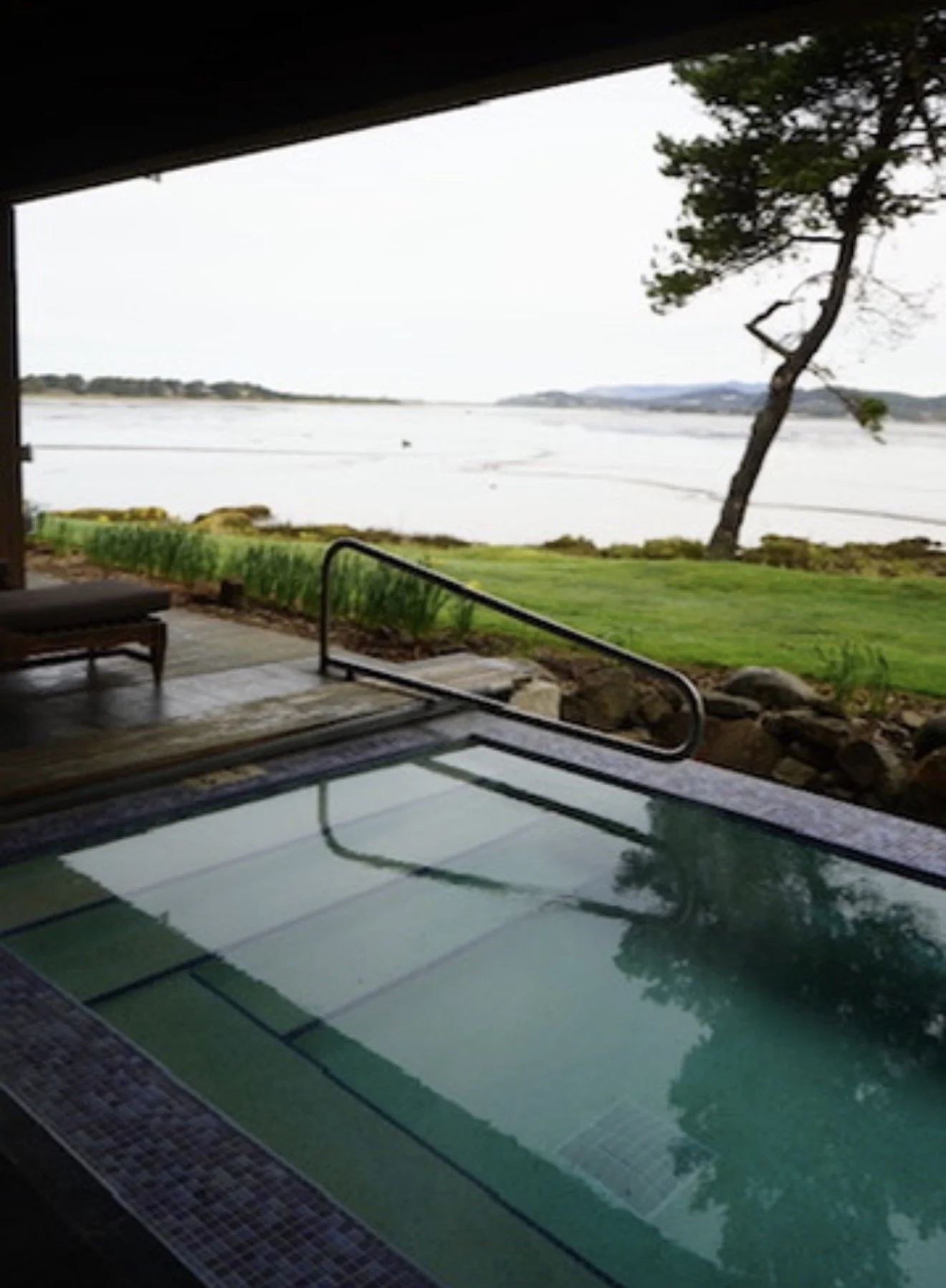
I thought back to a quiet hour here after my gallbladder surgery twelve years ago, sitting alone in the warm saltwater pool, letting my body recover in stillness.
The room was silent, the water smooth as glass. As my breath slowed in meditation, small ripples moved outward from my body, widening in soft rings across the surface.
In that moment I understood something clearly, small shifts matter, and every ripple begins somewhere.
Healing can start in the mind, then move outward, touching body, place, and the people around us.
It felt as if the water was answering, echoing the same unseen current that moves through Siletz Bay beyond the trees.
This bay has always held that feeling for me, a place of restoration, feeding not just the body through the waters that sustain the coast, but the spirit as well.
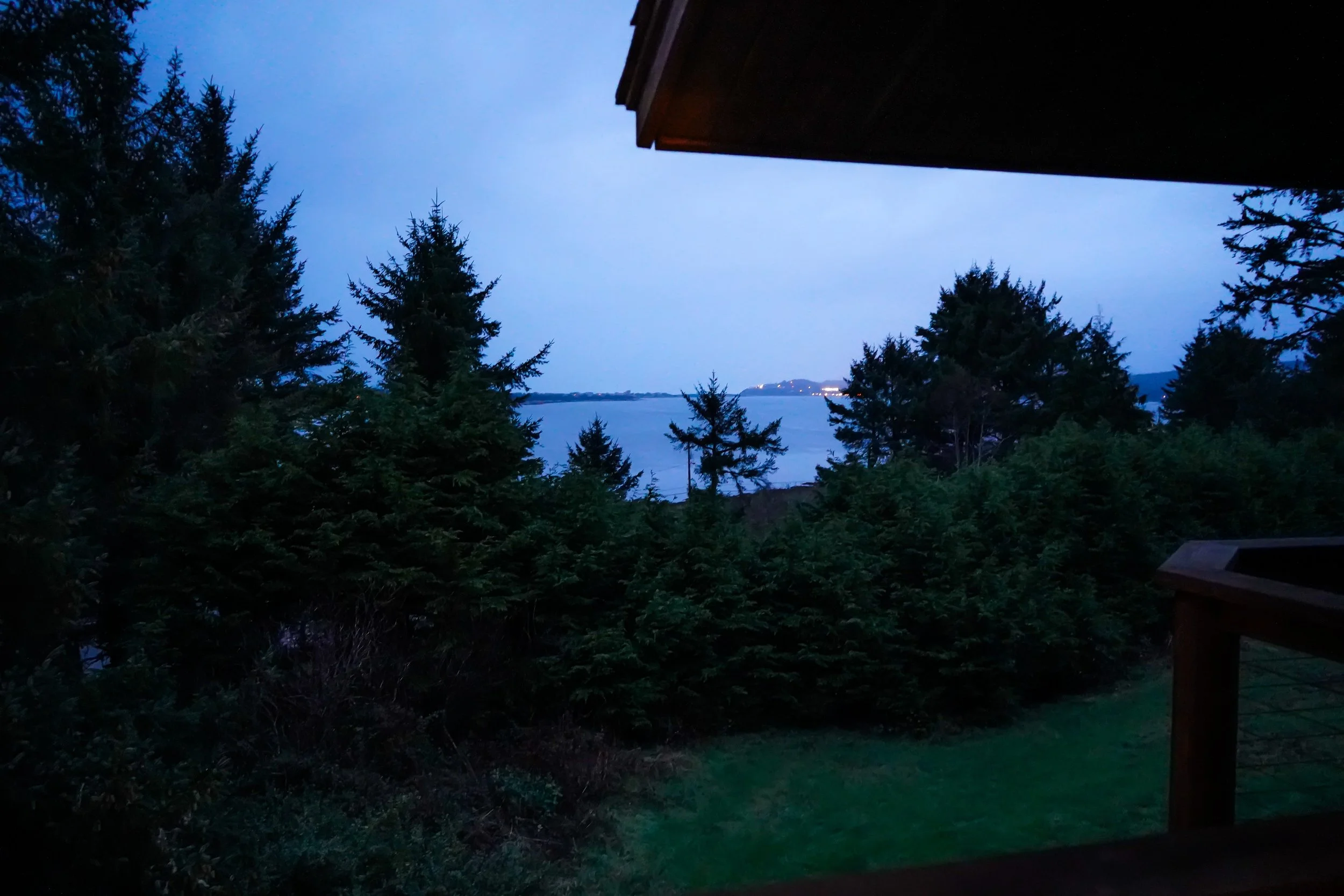
The magical Siletz Bay
In that moment I felt tuned to something deeper, a current connecting body to water, water to land, land to something ancient and unseen, steady and divine.
Day Two at the Oregon Coast Aquarium & Seafare Brunch
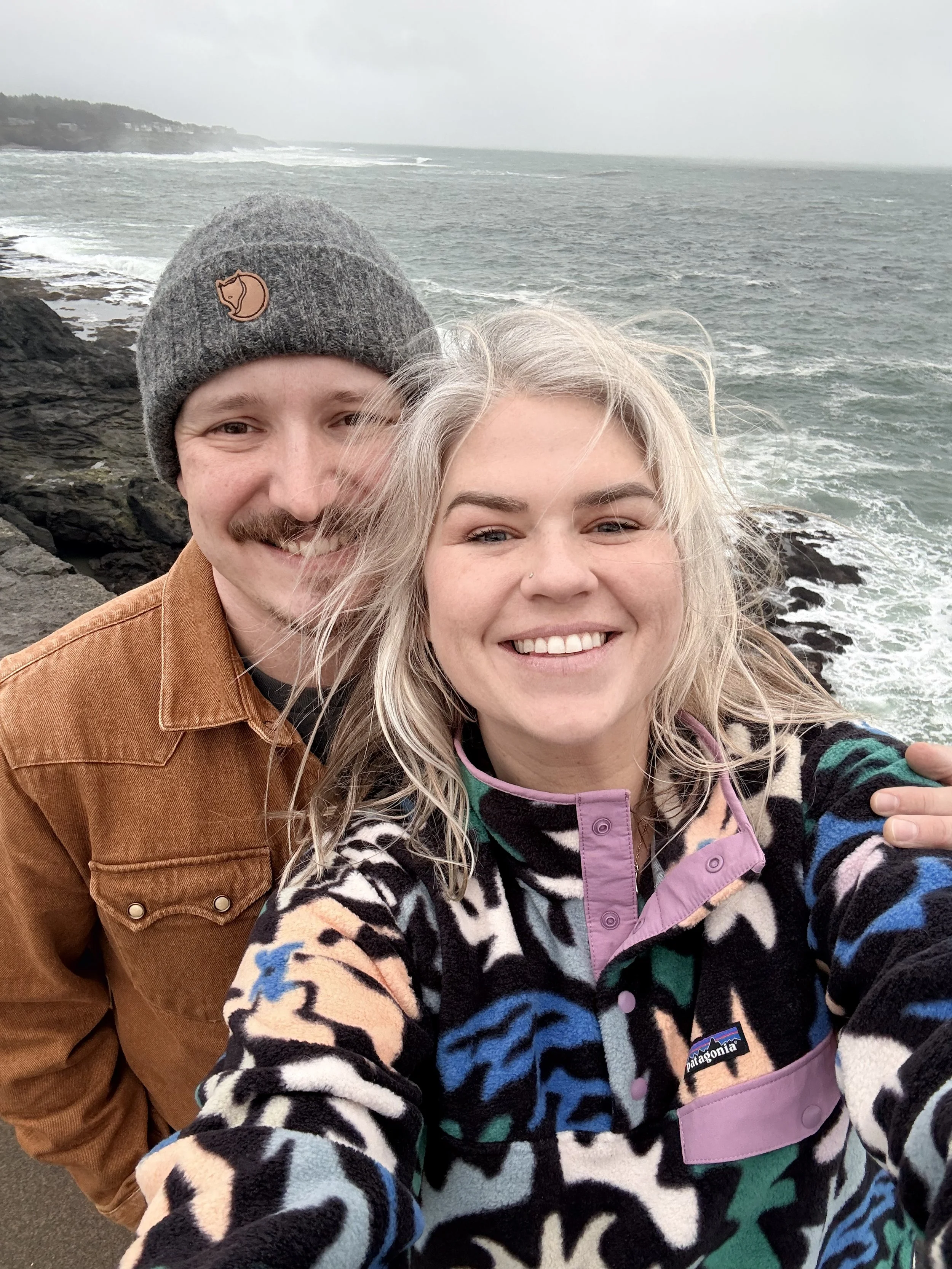
Depoe Bay Seawall. SCP also has a property in Depoe Bay which I hope to visit next.
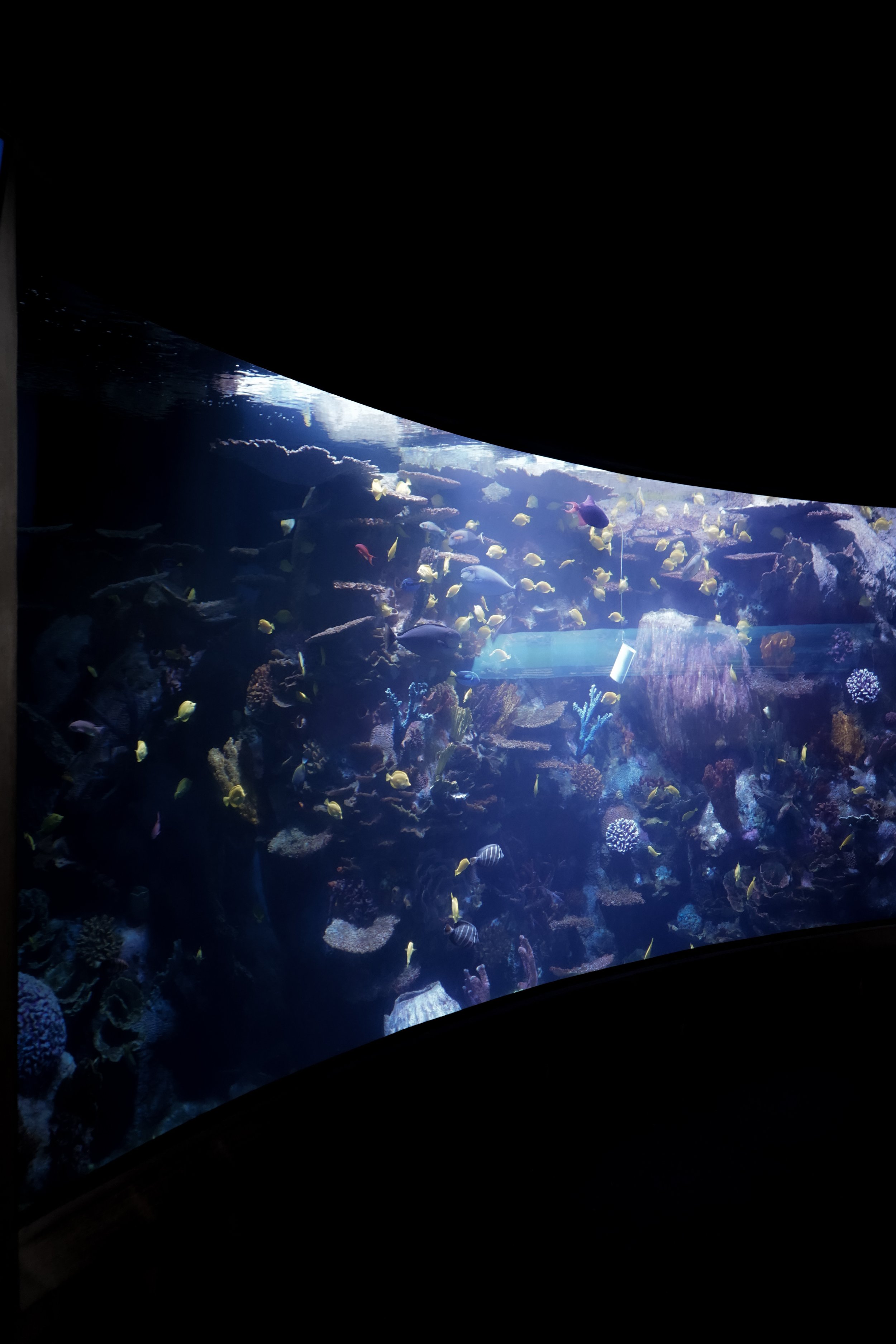
The Oregon Coast Aquarium
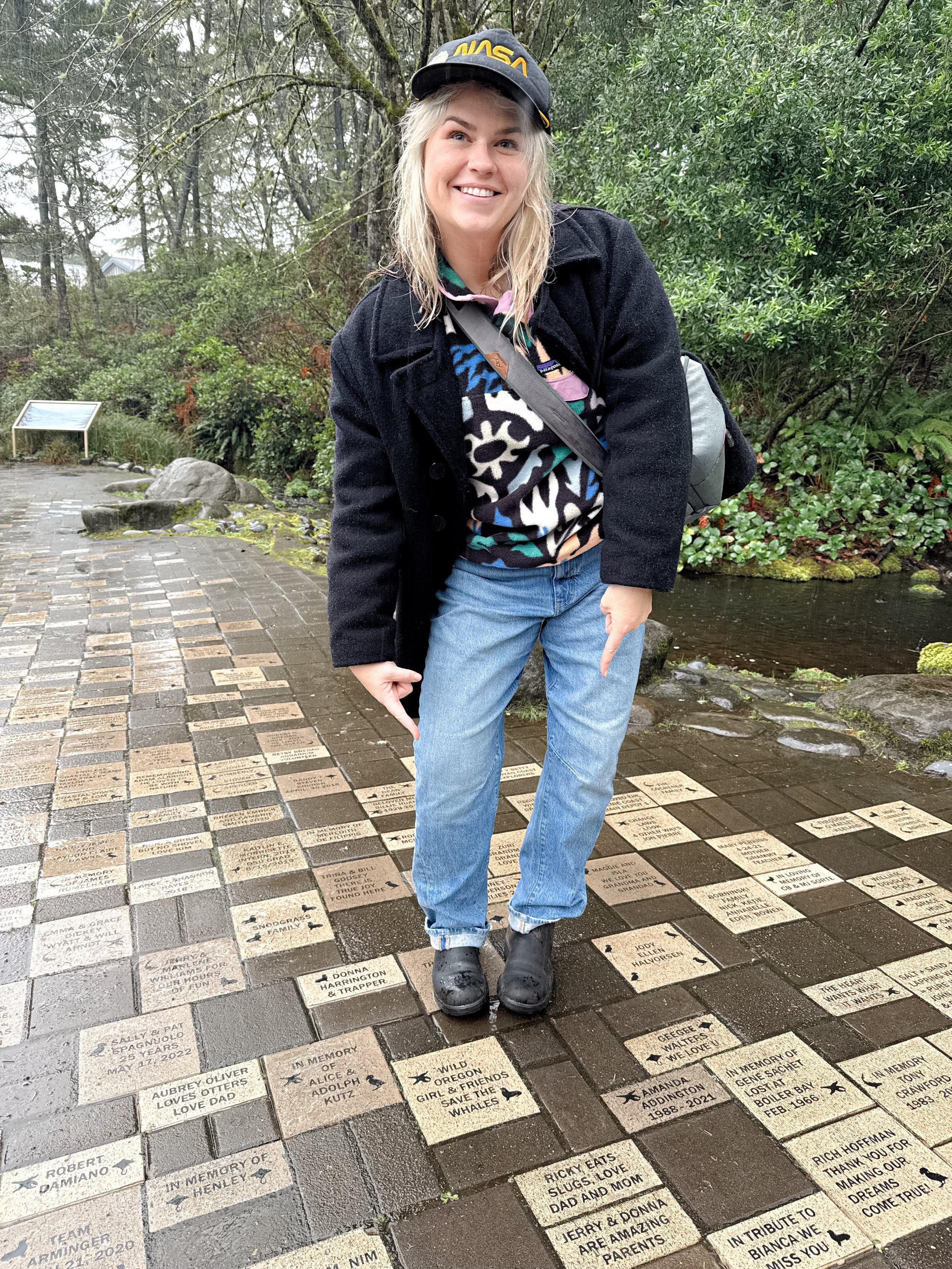
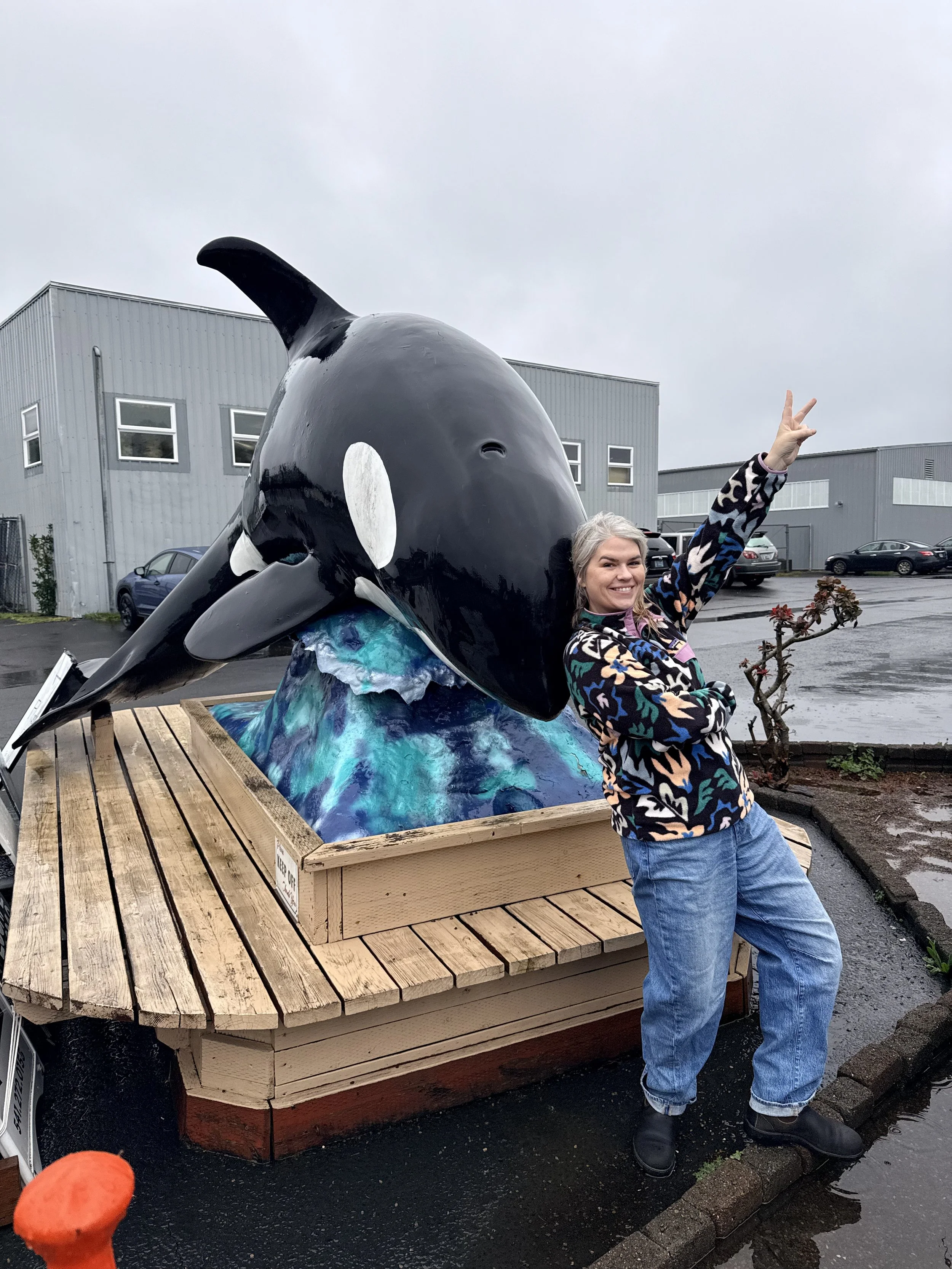
Wild Oregon Girl & Friends SAVE THE WHALES. Our brick, to keep the 90’s Earth loving dream alive. We can. Right next to Ricky Eats Slugs, don’t forget.
A Newport institution since opening in 1992 along Yaquina Bay.
Created to connect people directly to the Pacific, the Oregon Coast Aquarium centers on marine science, conservation, and public understanding of ocean systems.
It serves thousands of students each year through hands-on education and works with coastal partners on wildlife care and habitat stewardship.
The aquarium gained international recognition in the late 1990s when it rehabilitated Keiko, the beloved orca wale from Free Willy.
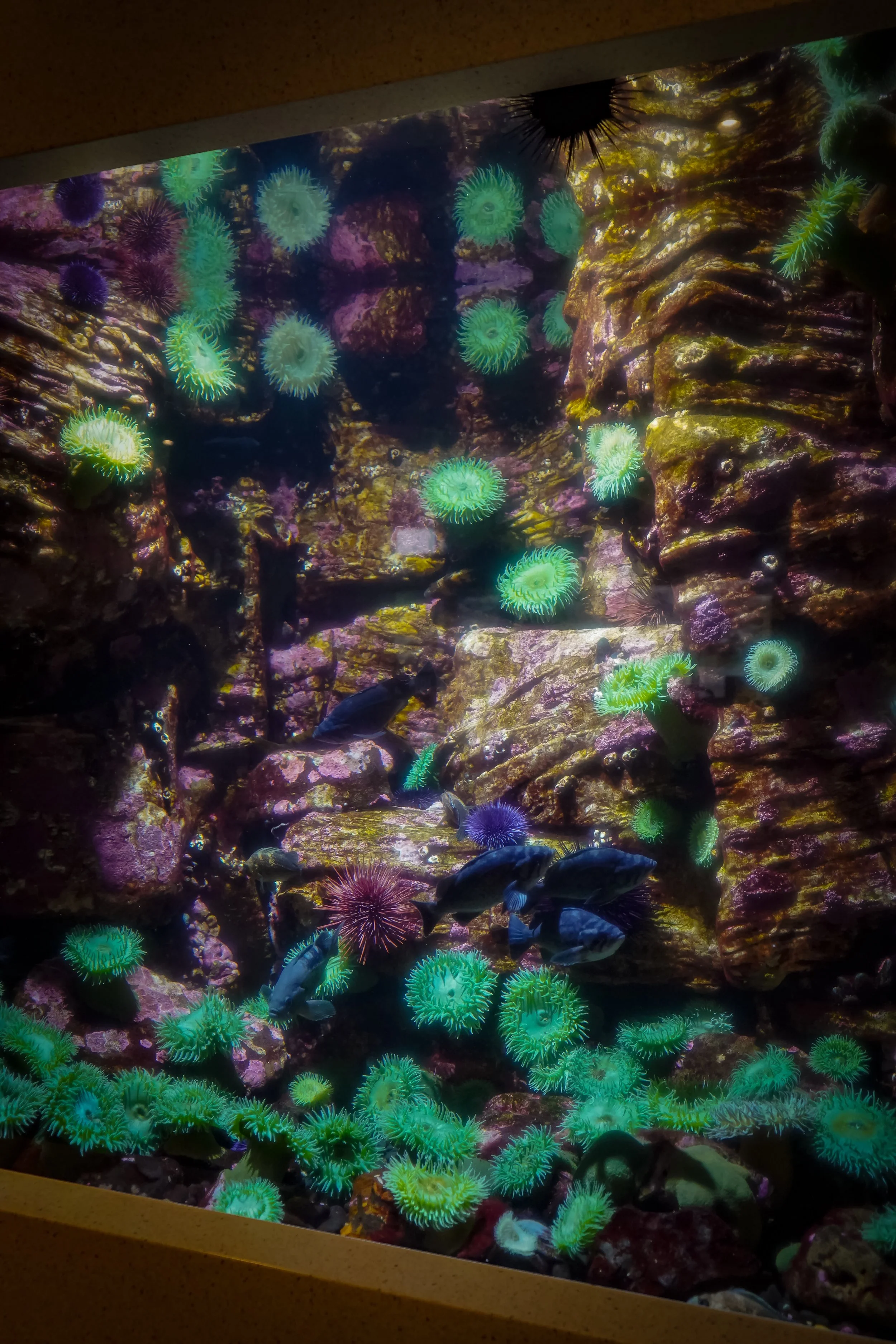
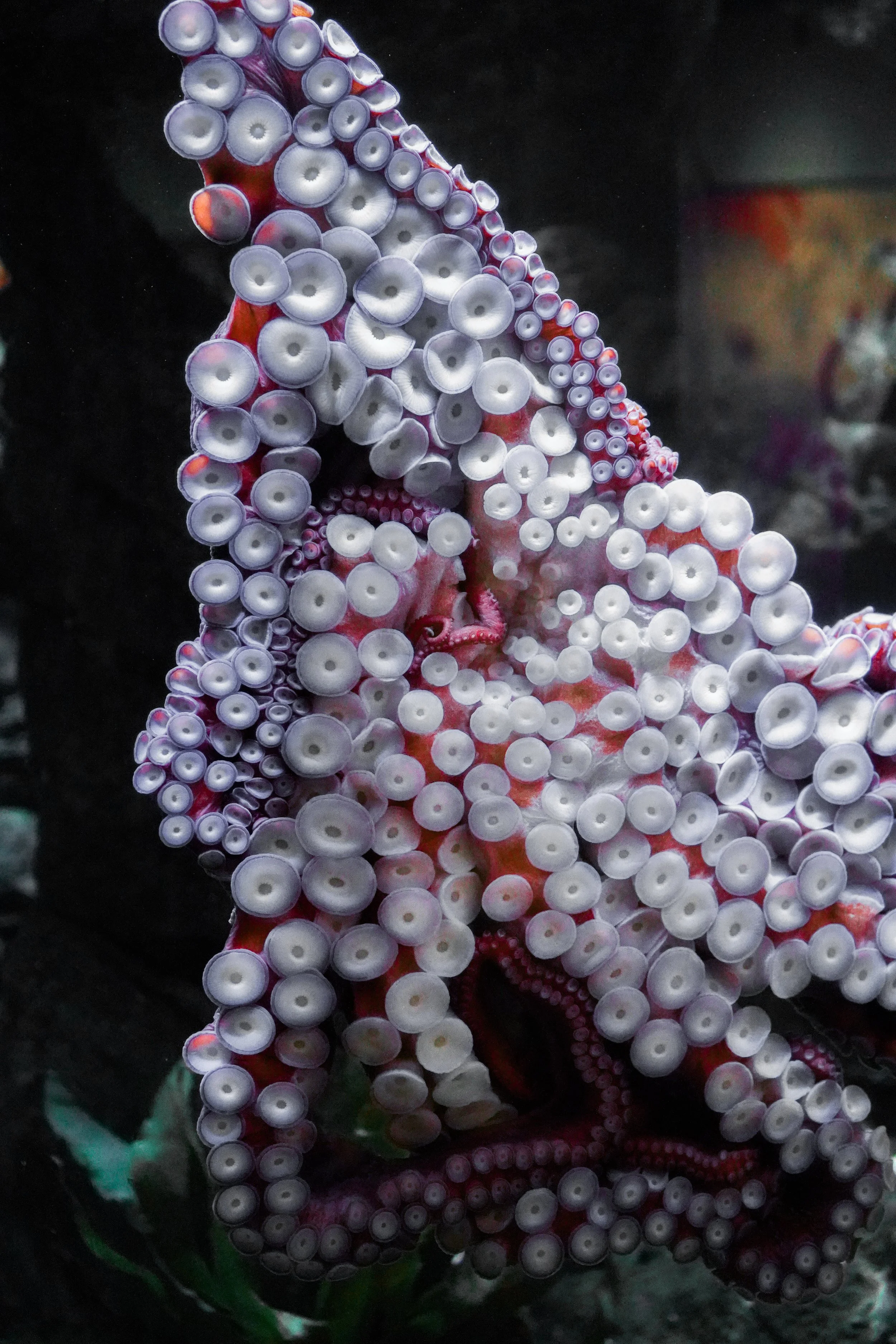
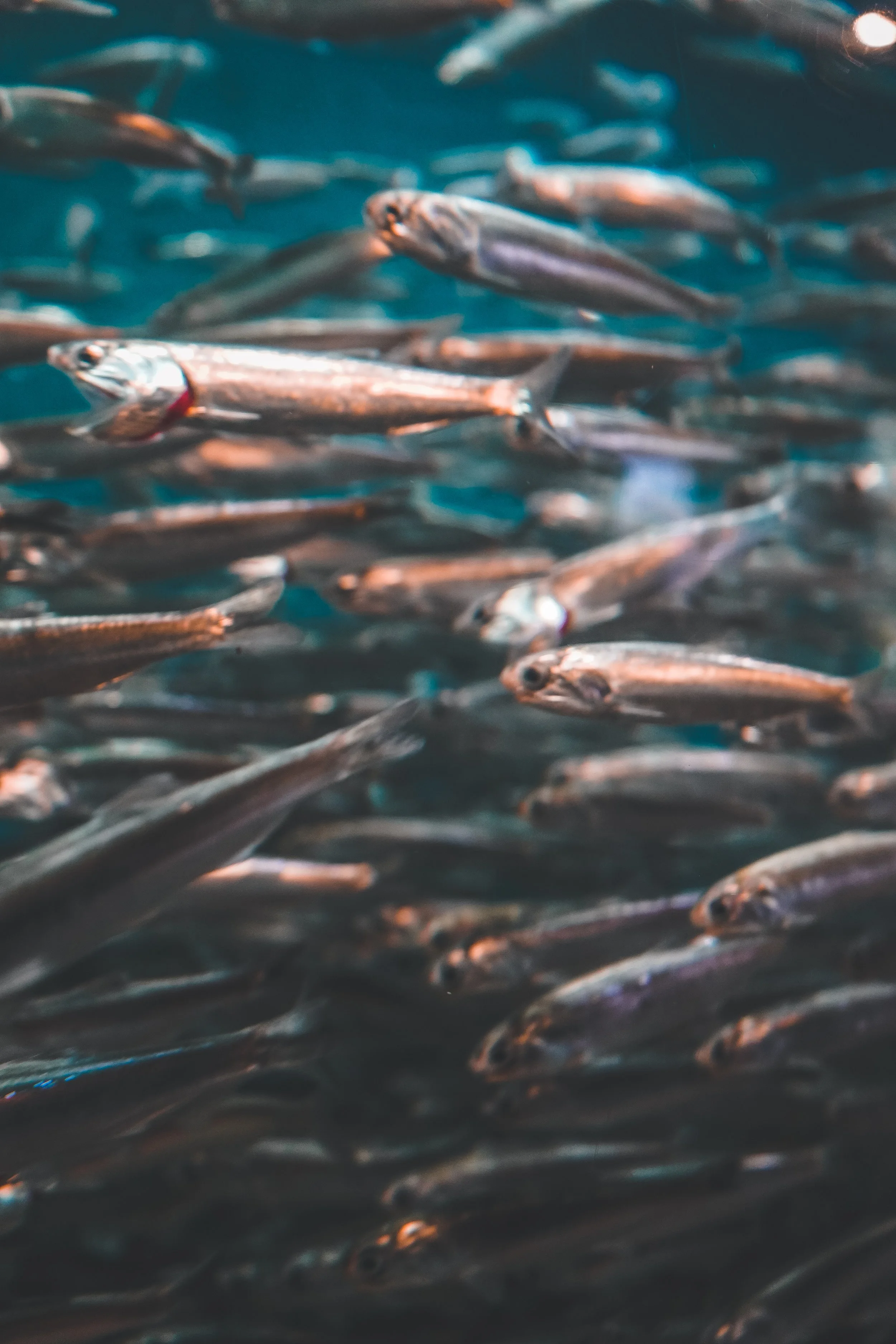
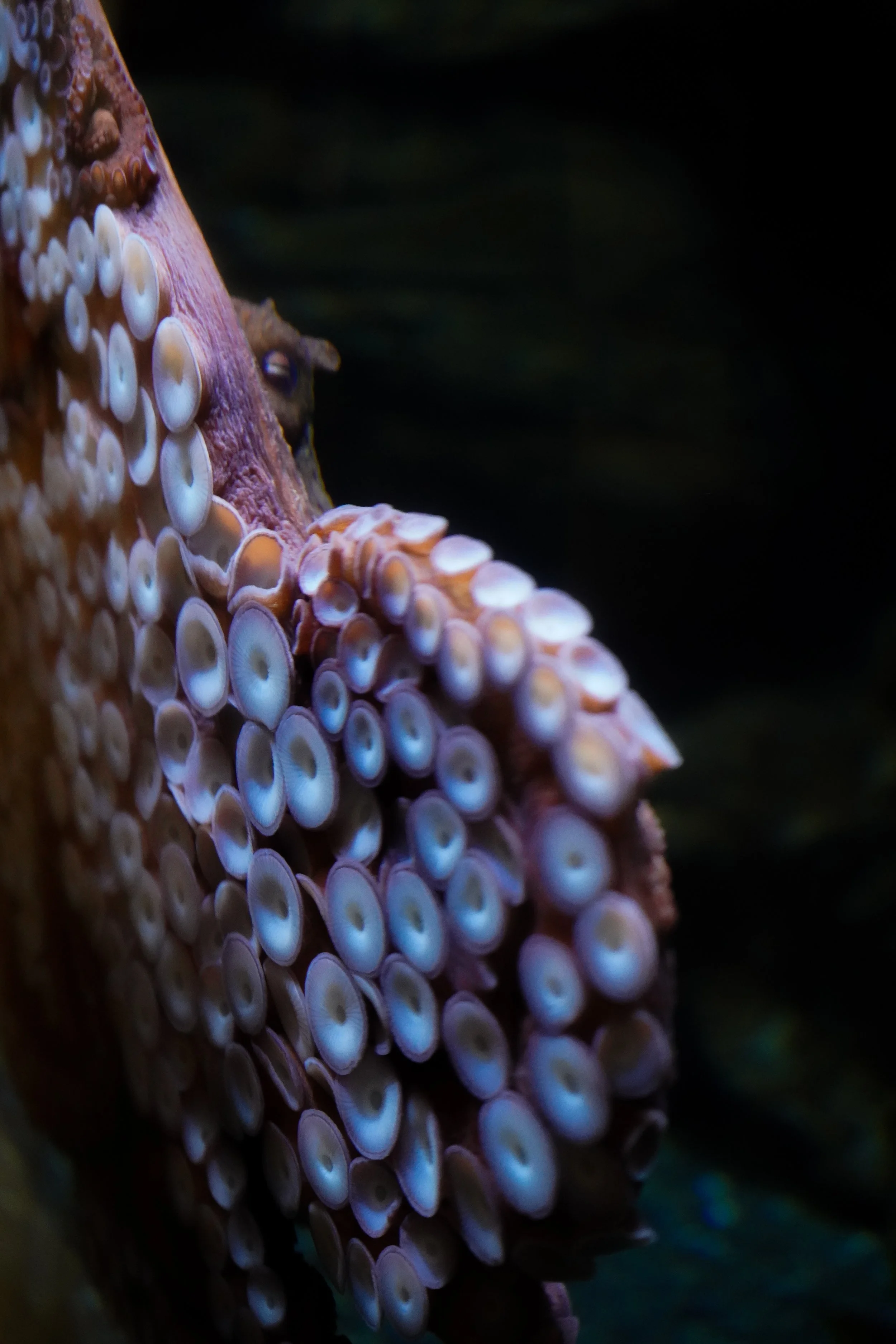
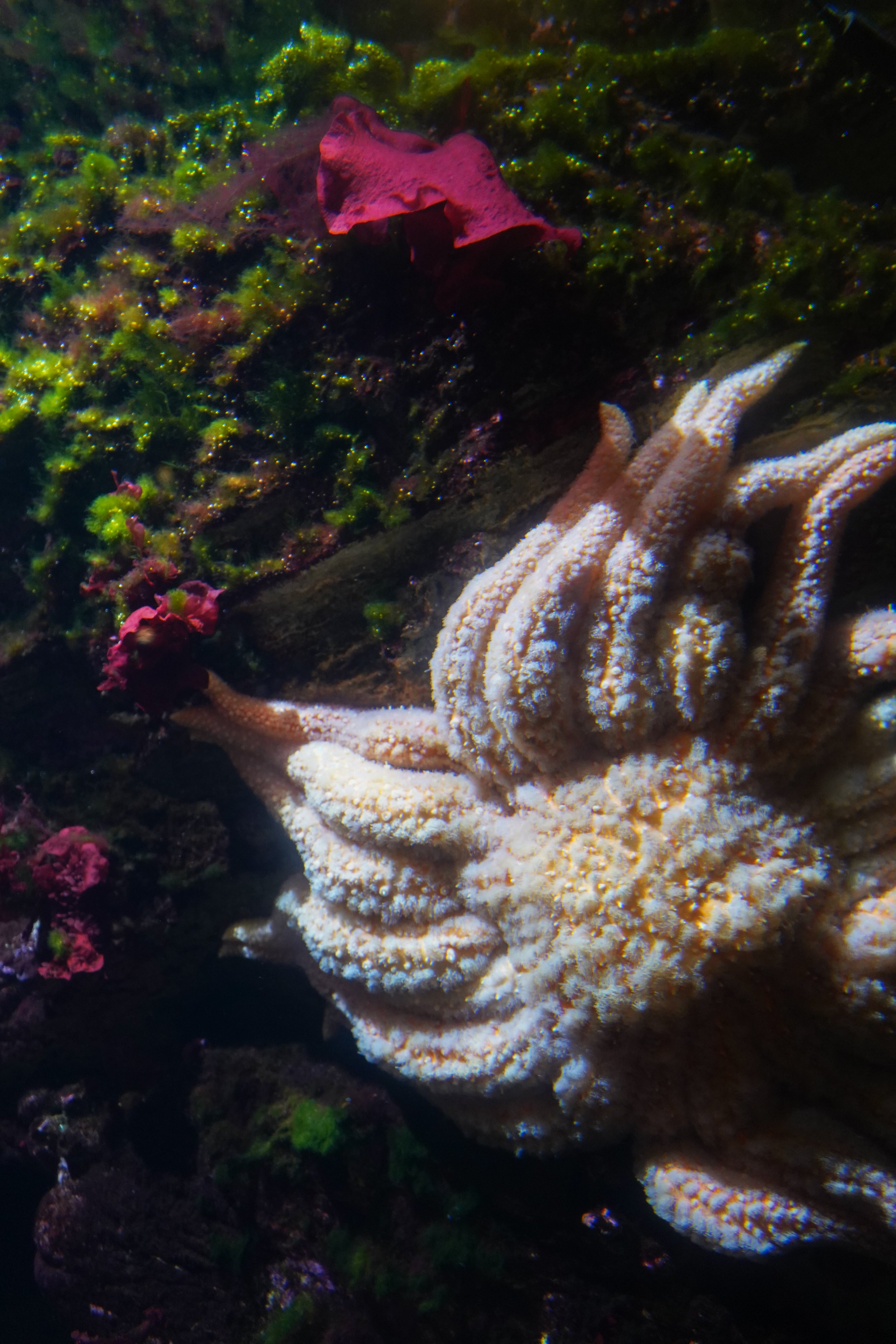
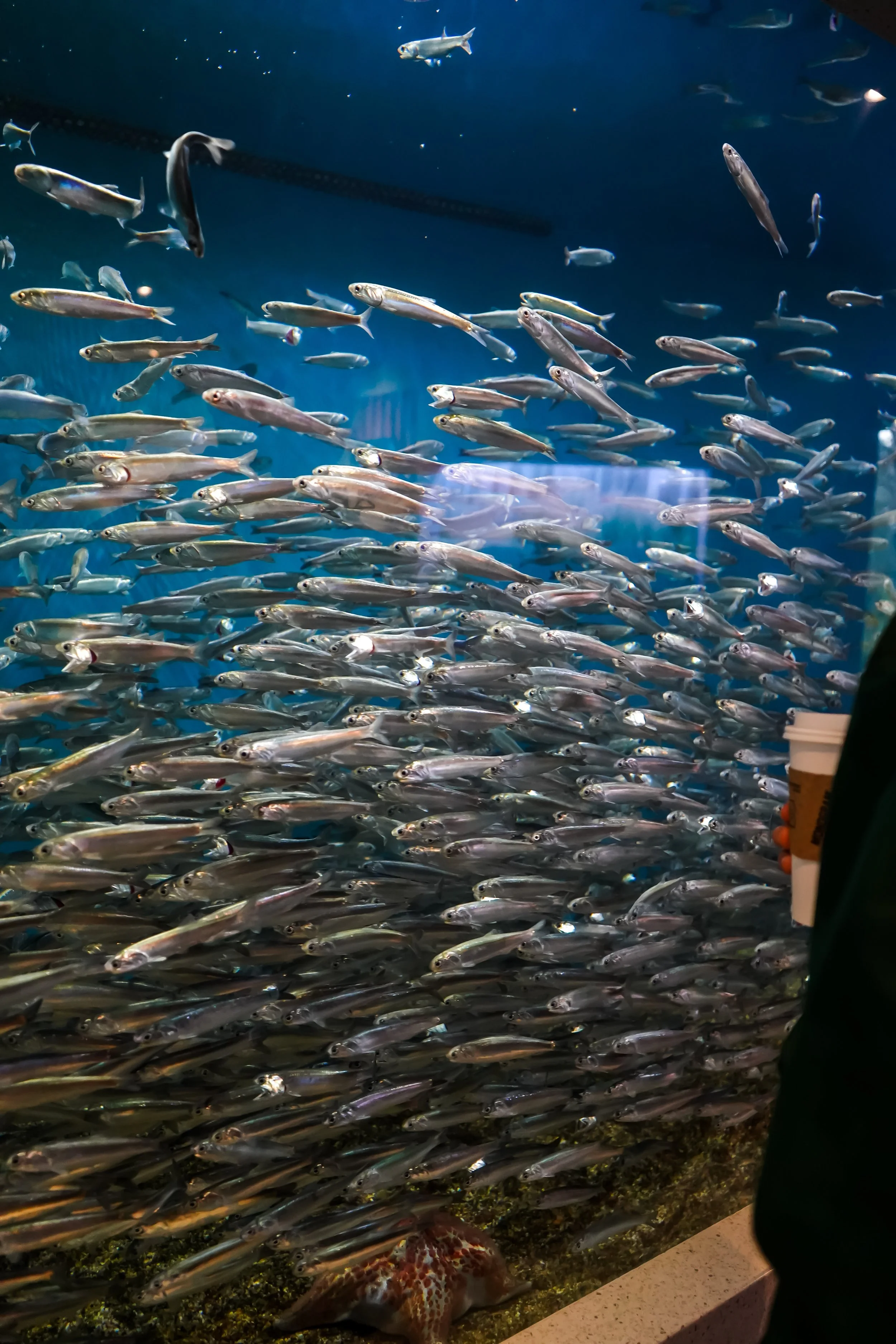
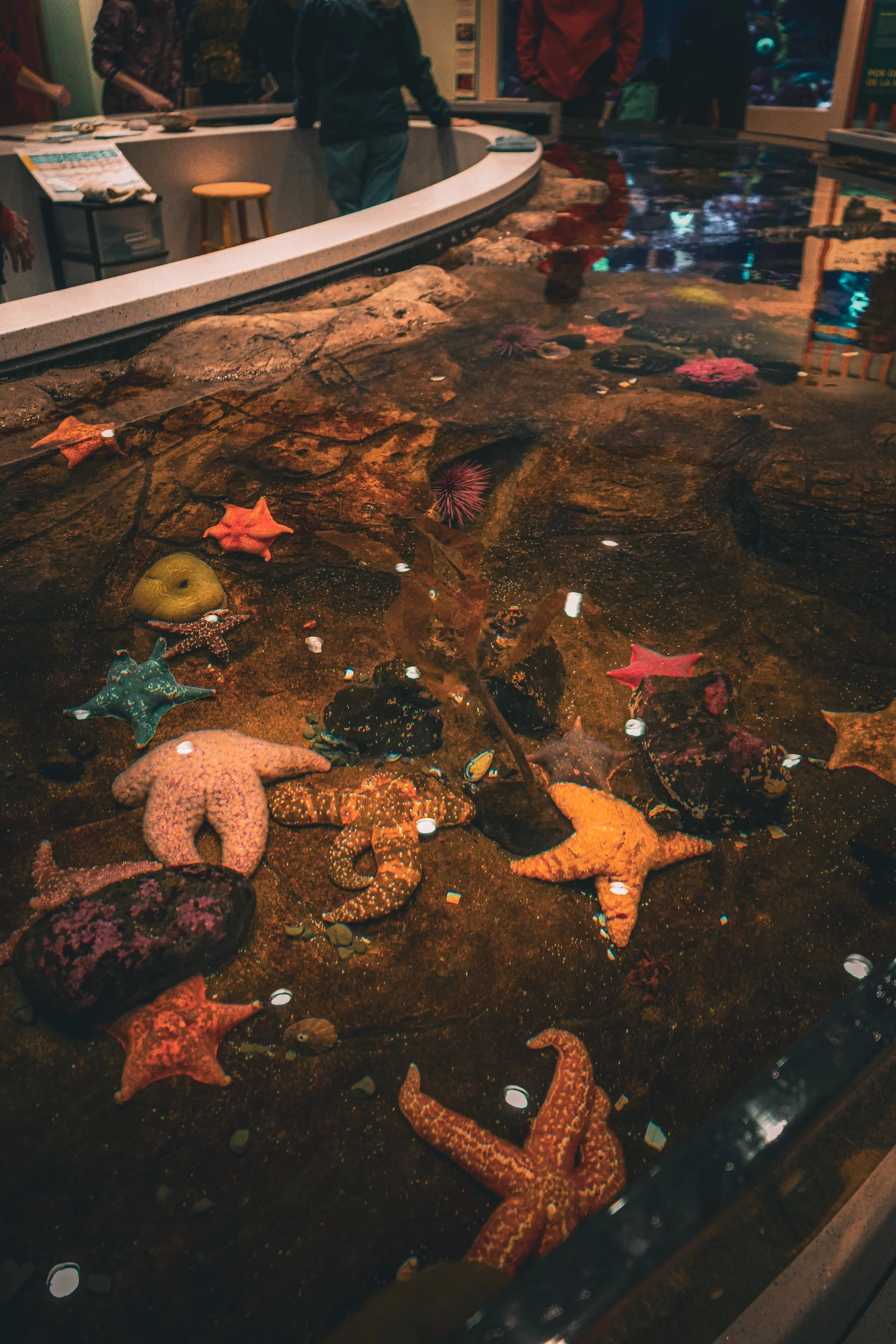
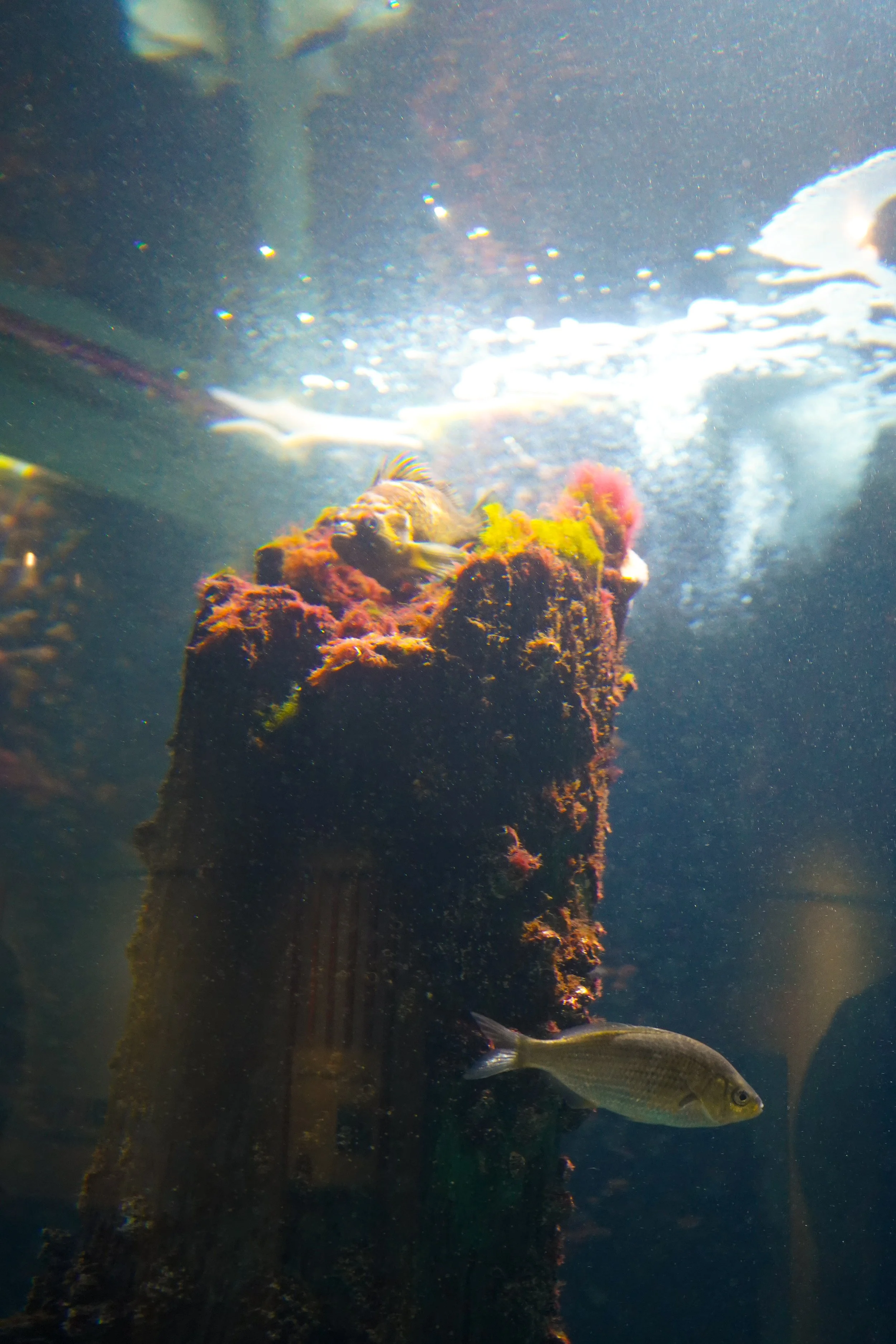
Inside, the aquarium’s recent updates expanded its focus on hands-on coastal science and species native to the Pacific. The touch pools were redesigned to better represent Oregon’s rocky intertidal zone, with controlled water flow, temperature regulation, and habitat structure that allow species such as ochre sea stars, giant green anemones, hermit crabs, and purple sea urchins to behave naturally while supporting safe public interaction and education.
Nearby, the giant Pacific octopus habitat was rebuilt to mirror a cold-water rocky den environment, giving space for natural hunting, camouflage, and problem-solving behavior. The exhibit supports ongoing public education about octopus intelligence, short life cycles, and the need to protect nearshore ecosystems where they live.
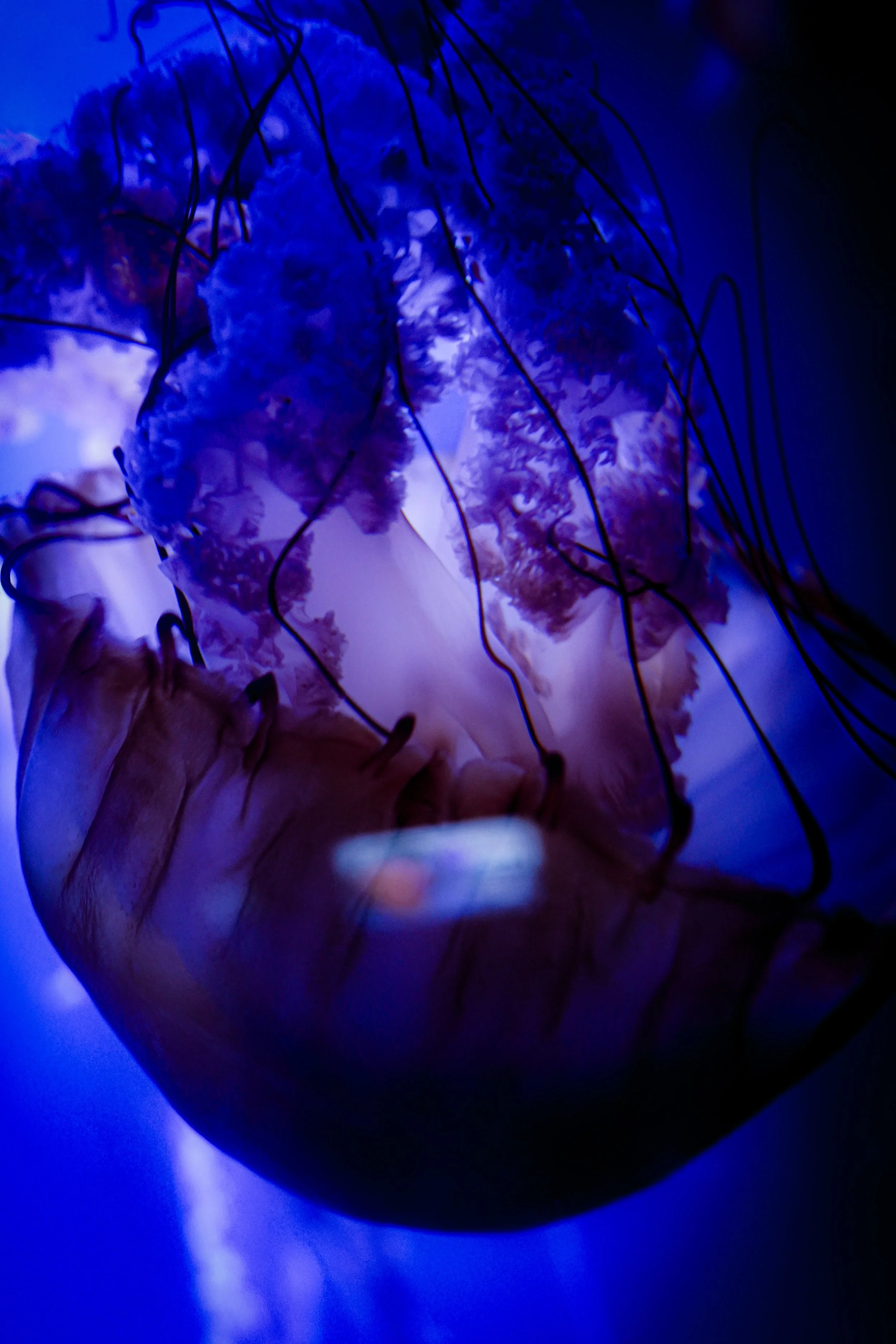
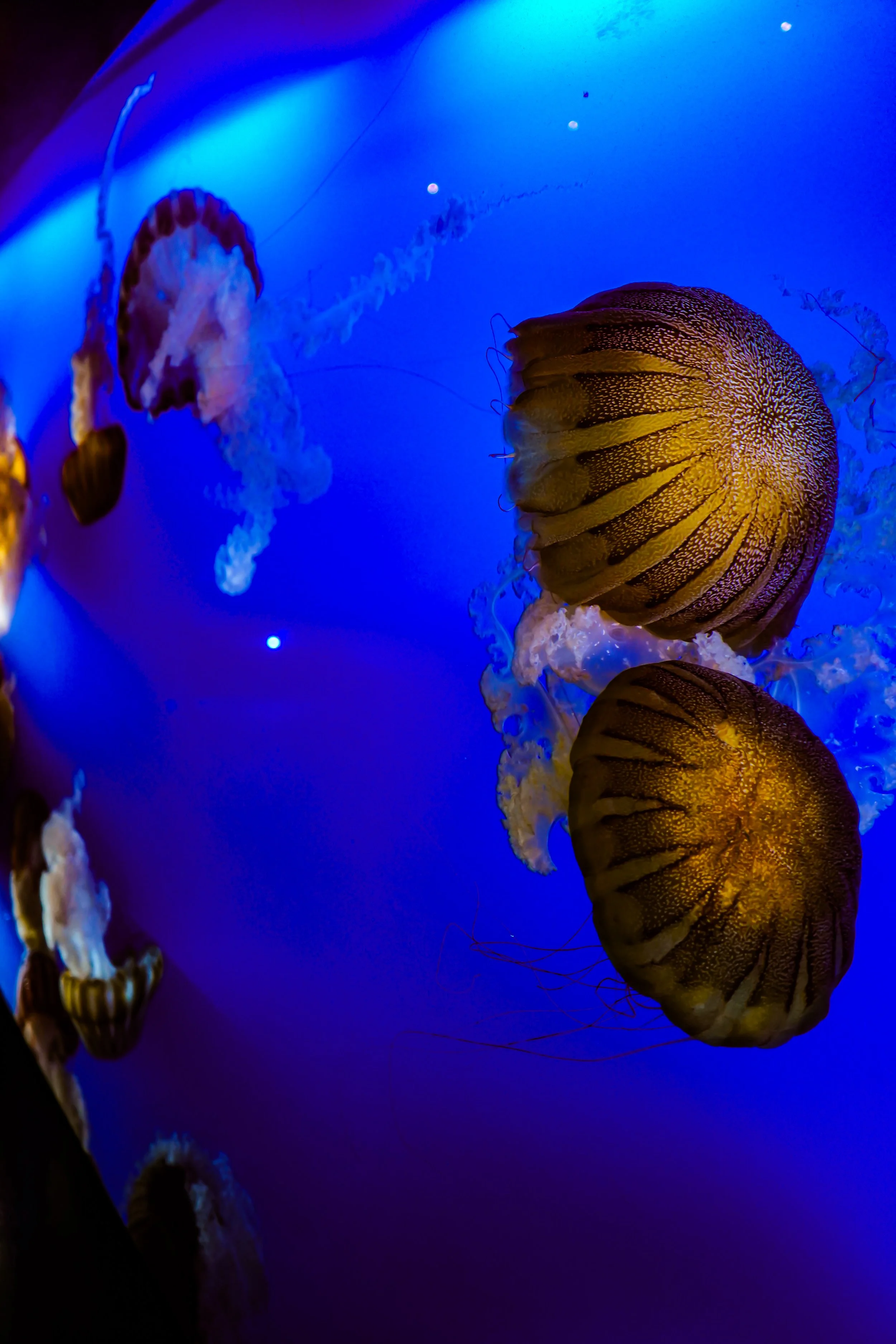
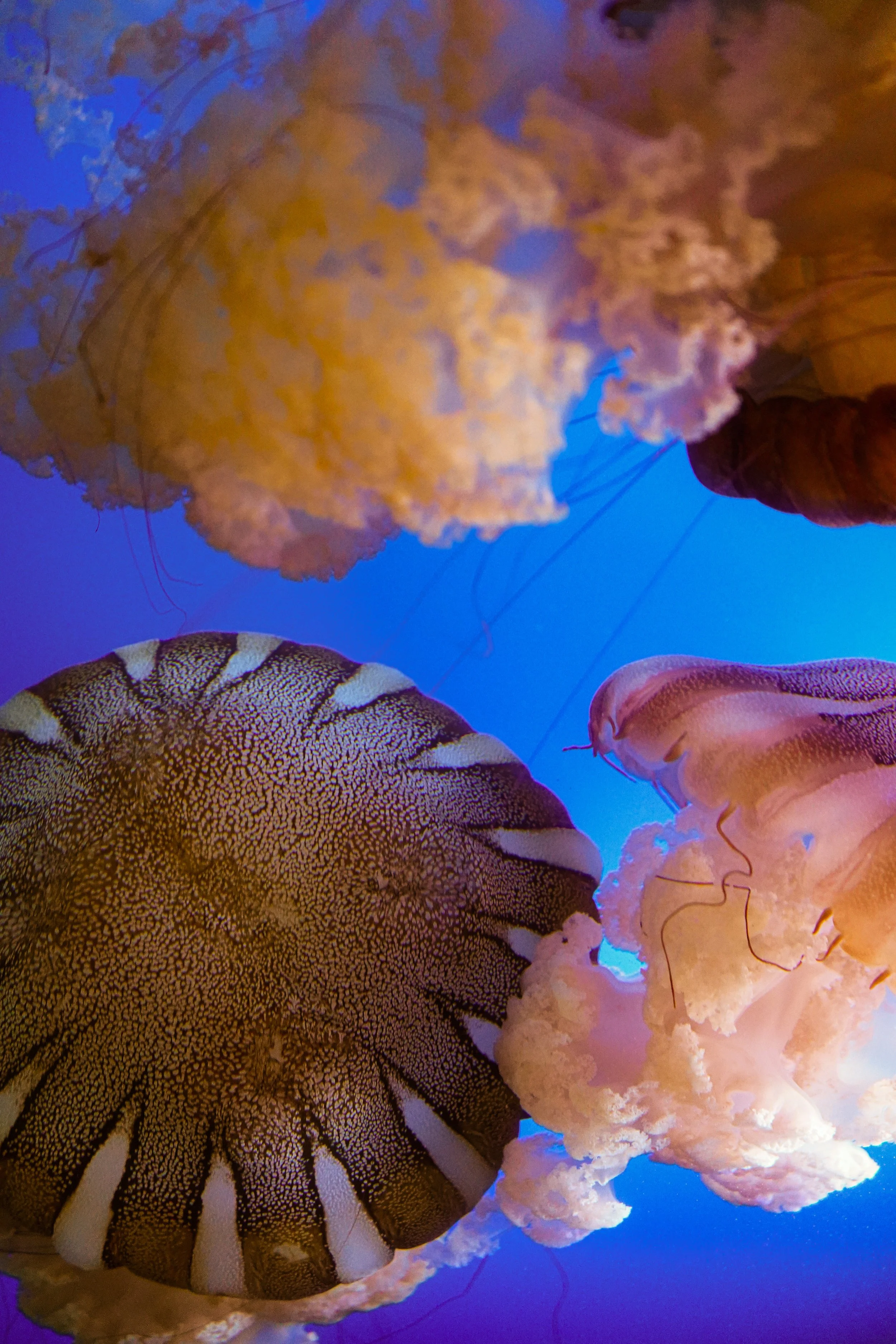
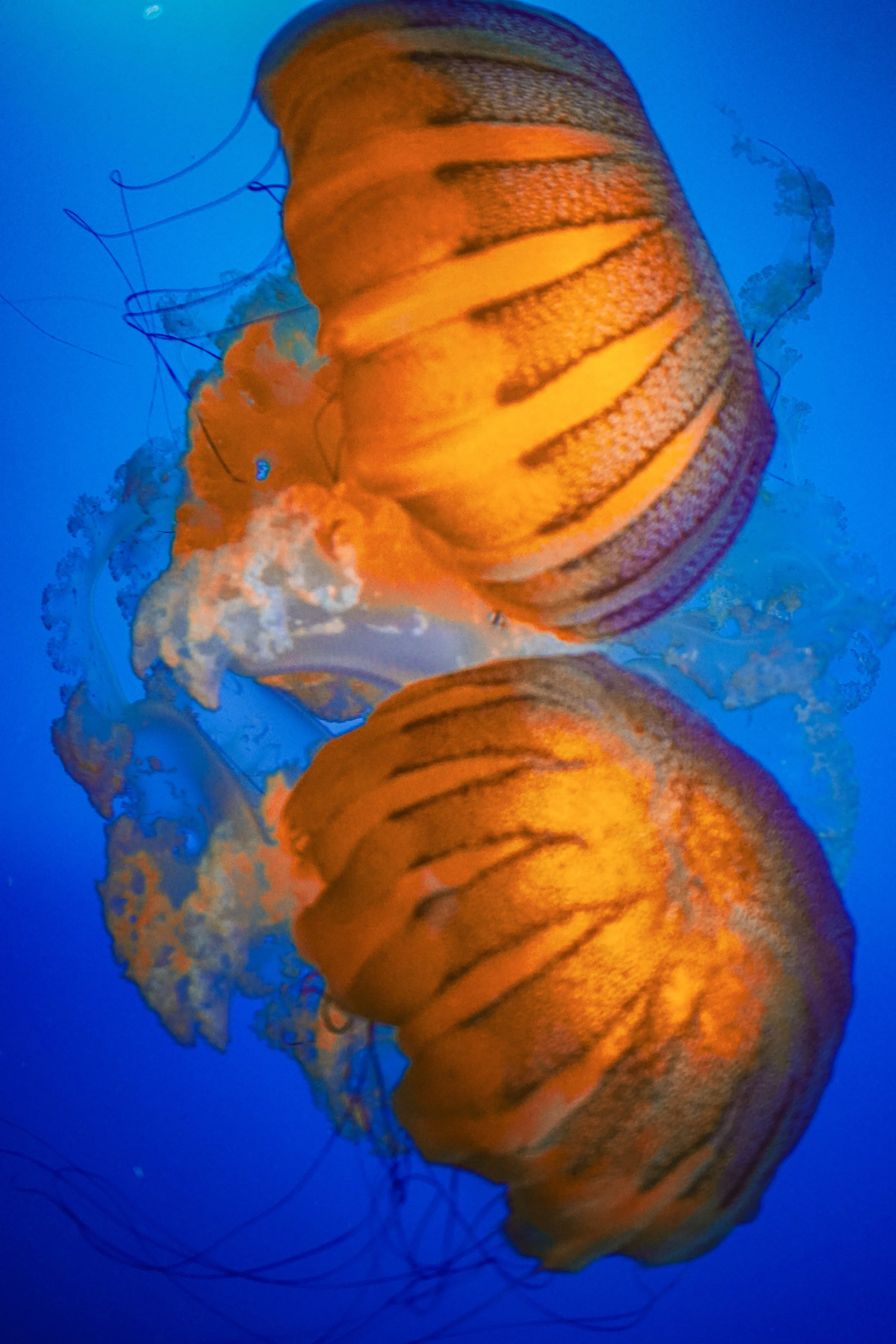
The jellyfish gallery was developed to showcase planktonic life and the role gelatinous species play in ocean systems. Specialized kreisel tanks create gentle circular flow that allows delicate jellyfish to drift without injury, replicating open-water conditions. Species such as moon jellies and sea nettles help illustrate connections between plankton, fisheries, and changing ocean temperature.
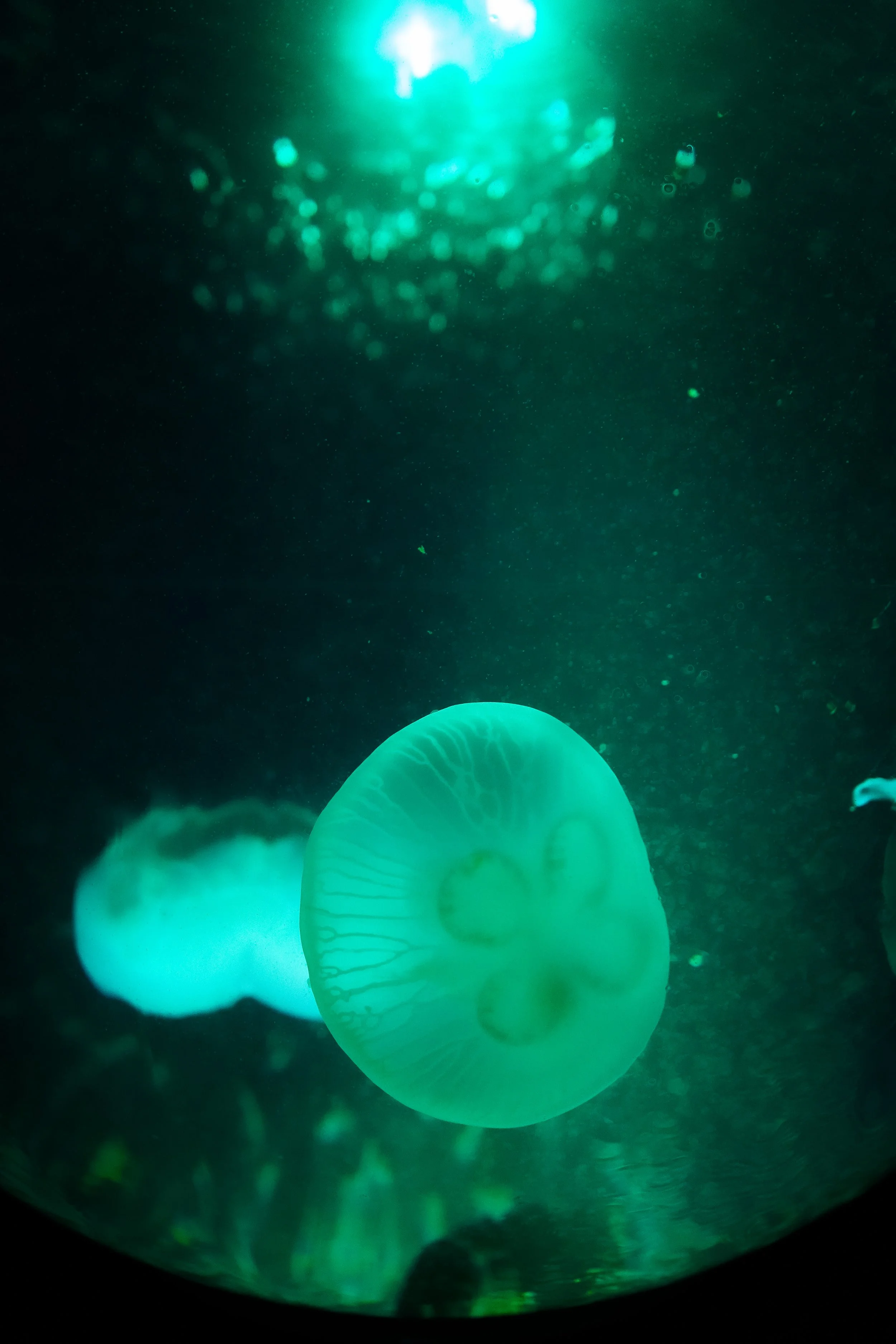
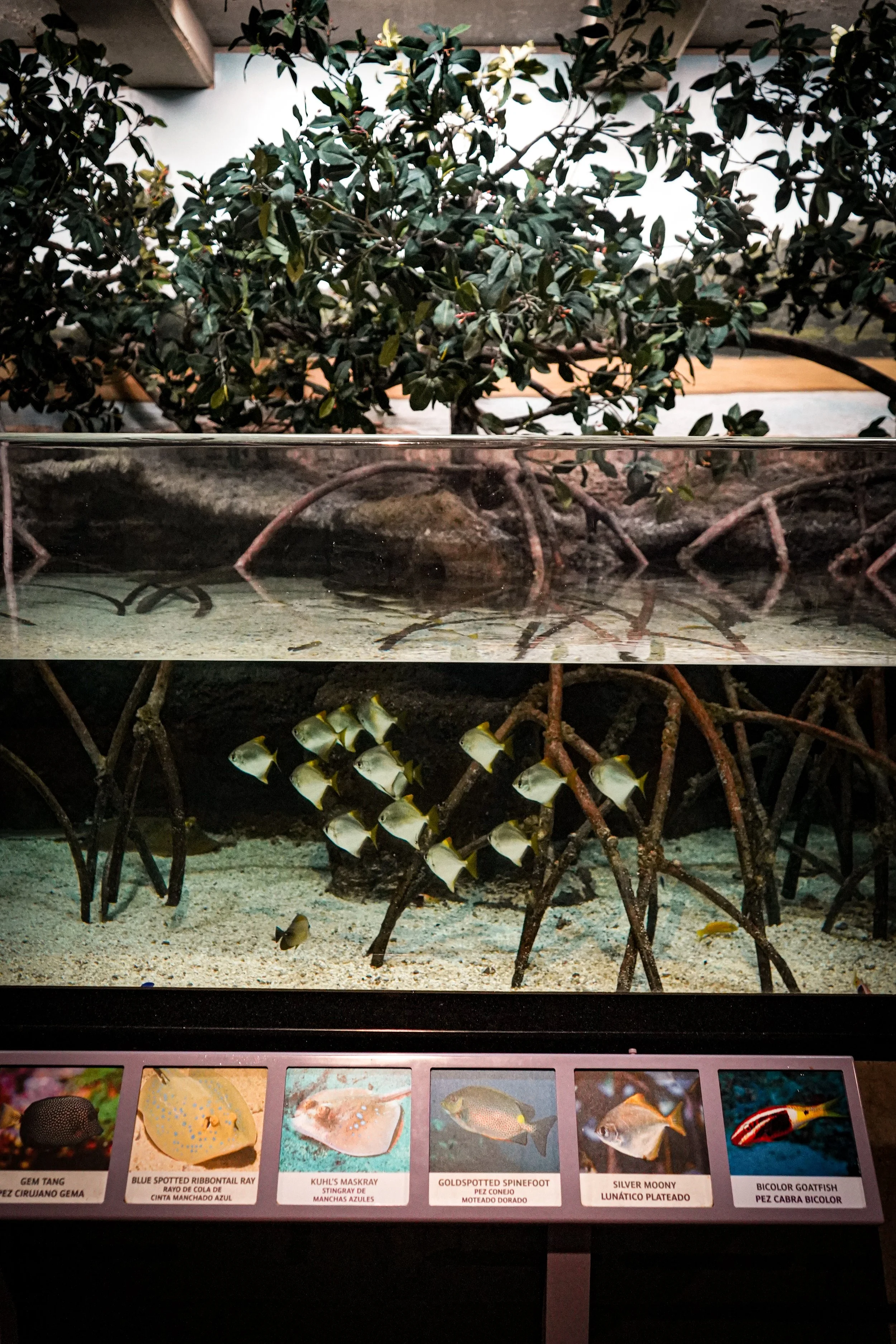
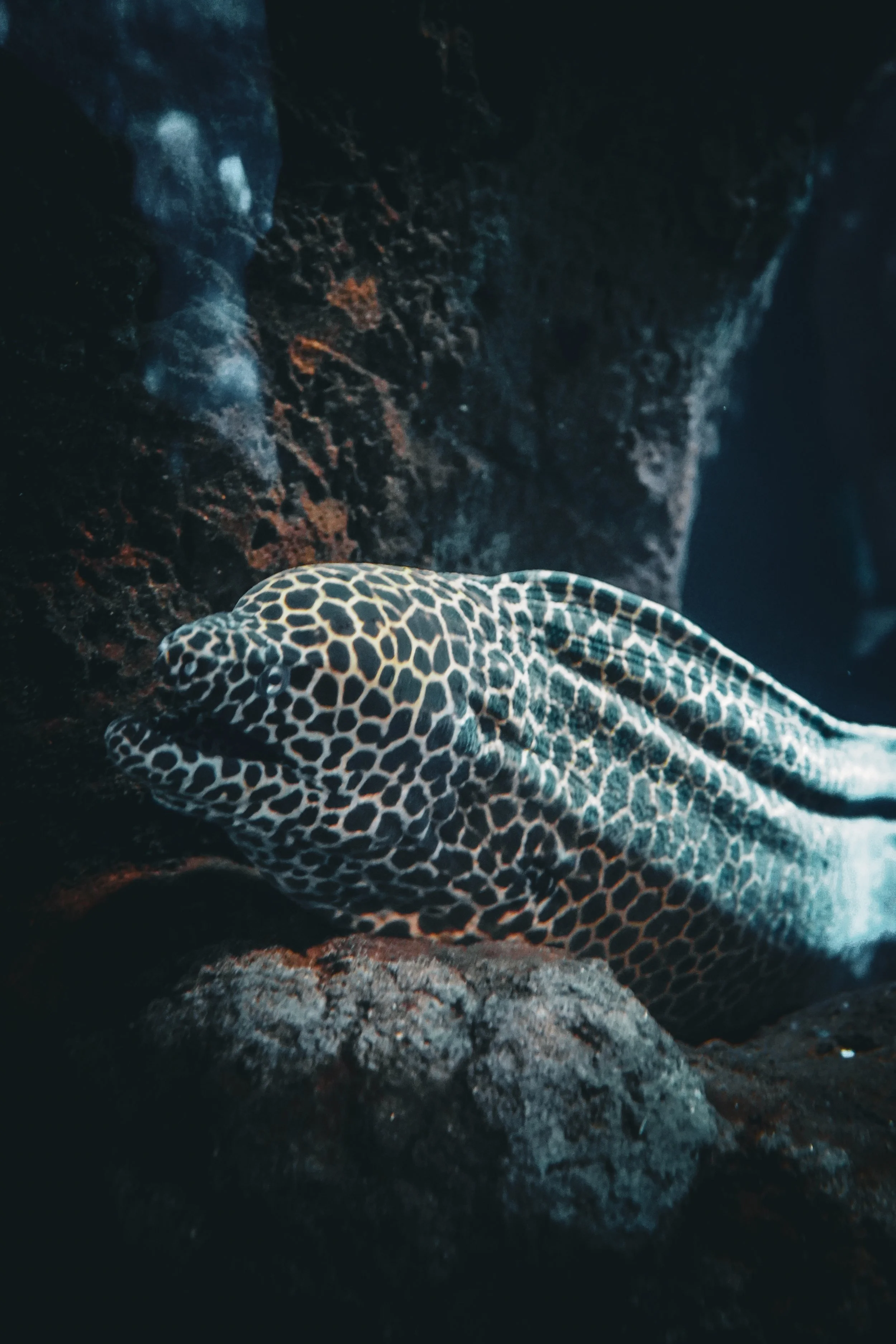
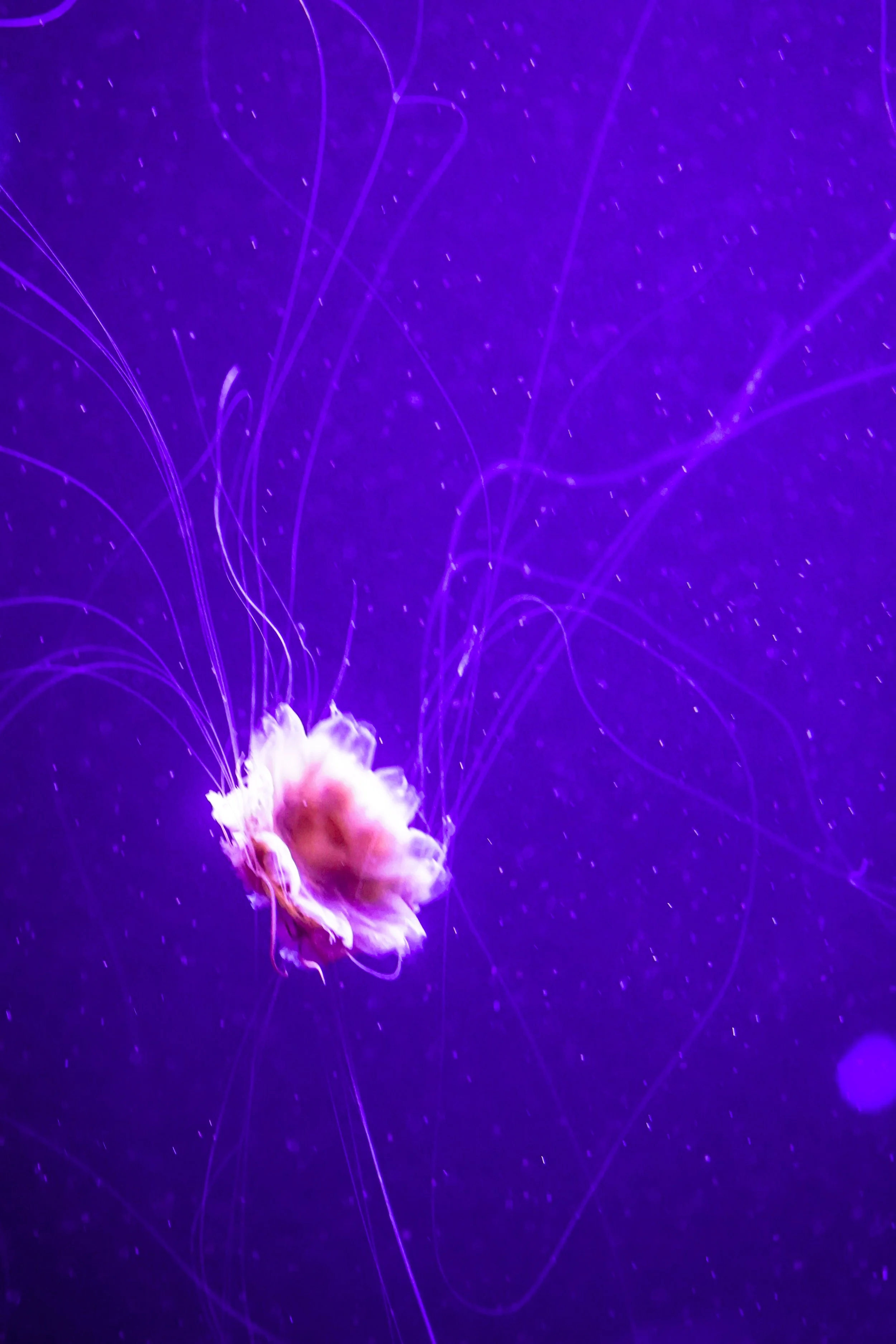
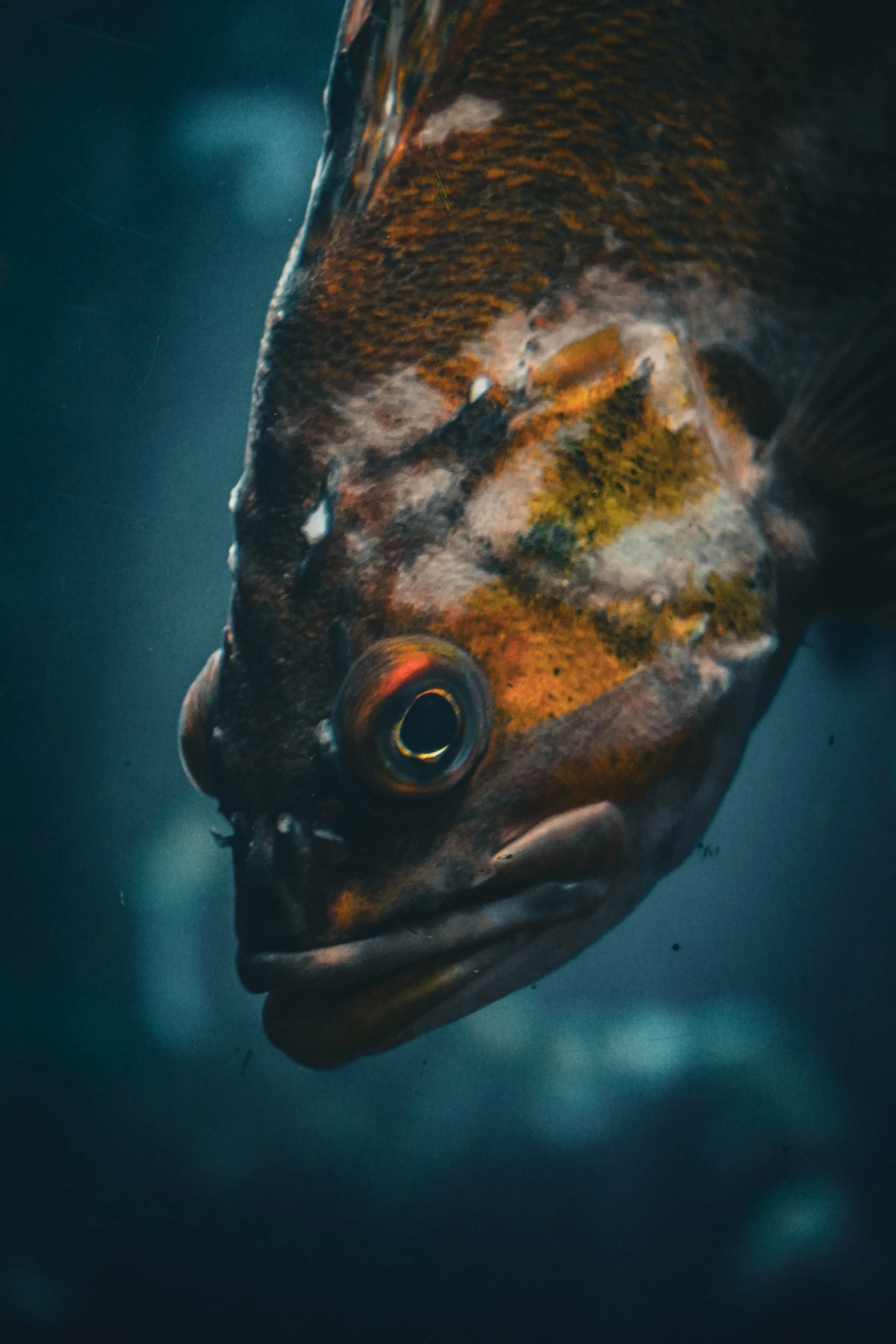
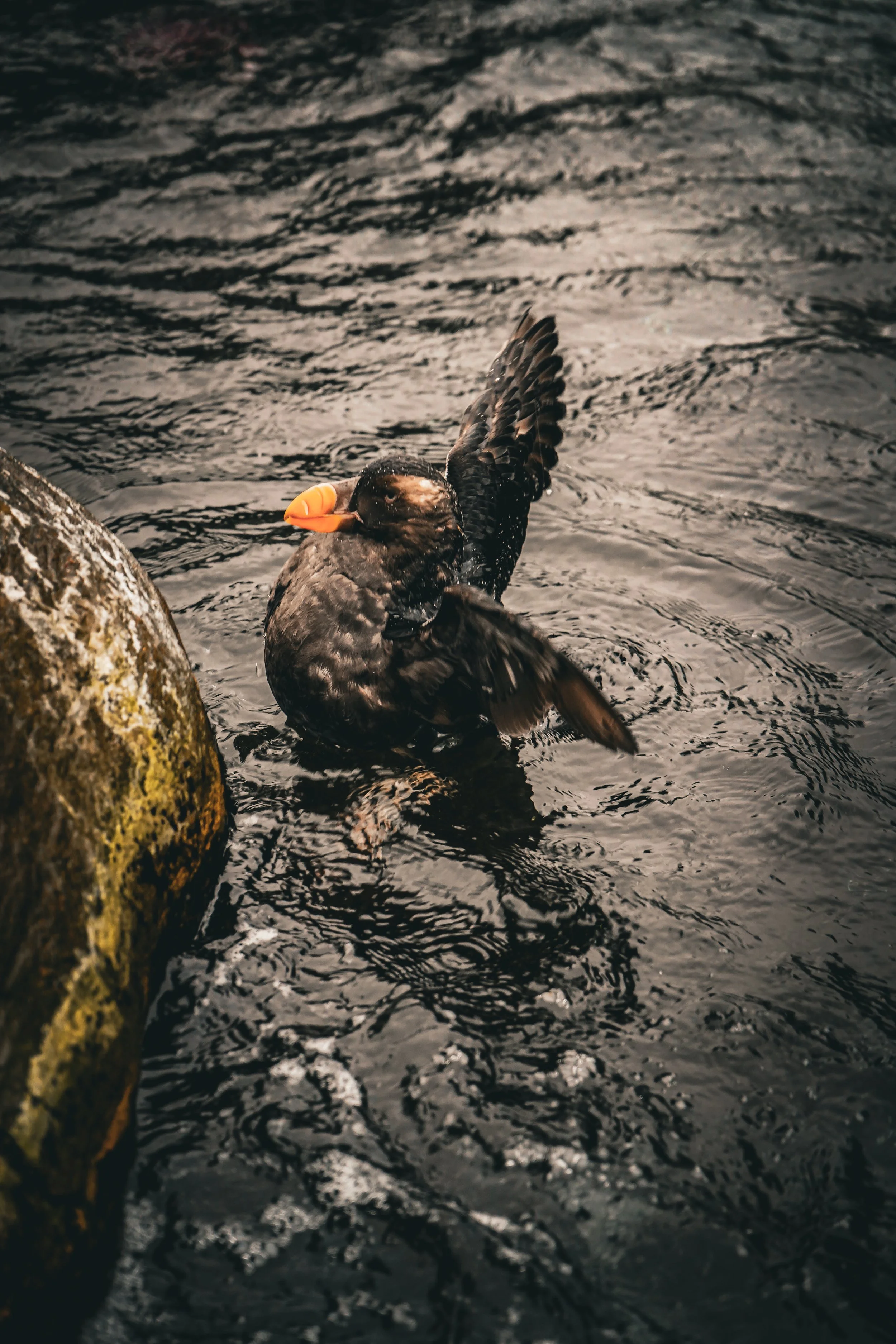
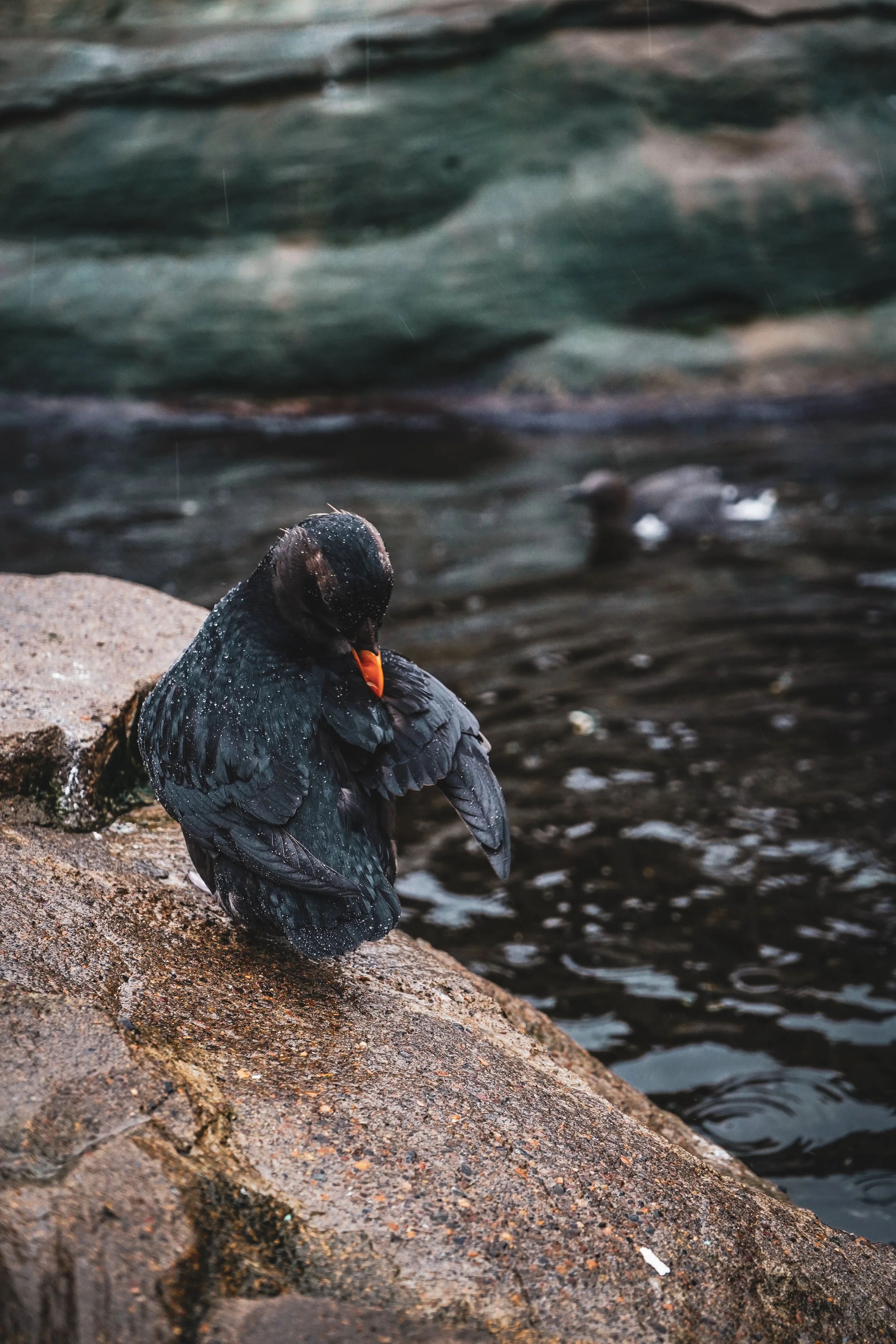
Beyond the indoor galleries, much of the aquarium’s work happens outside. Their Wildlife Rehabilitation Program cares for injured and stranded marine animals and seabirds, stabilizing, treating, and releasing them back into the wild when possible. Visitors learn how animals are affected by fishing gear, pollution, habitat loss, and changing ocean conditions, turning real cases into public education.
The aquarium also leads the Oregon Puffin License Plate program, a state specialty license plate where a portion of each registration fee directly funds wildlife rehabilitation, conservation, and protection of Oregon’s declining tufted puffin populations. Walking the outdoor habitats, seabird aviaries, sea otters, and coastal ecosystems, you see the science and care behind protecting real Oregon species.
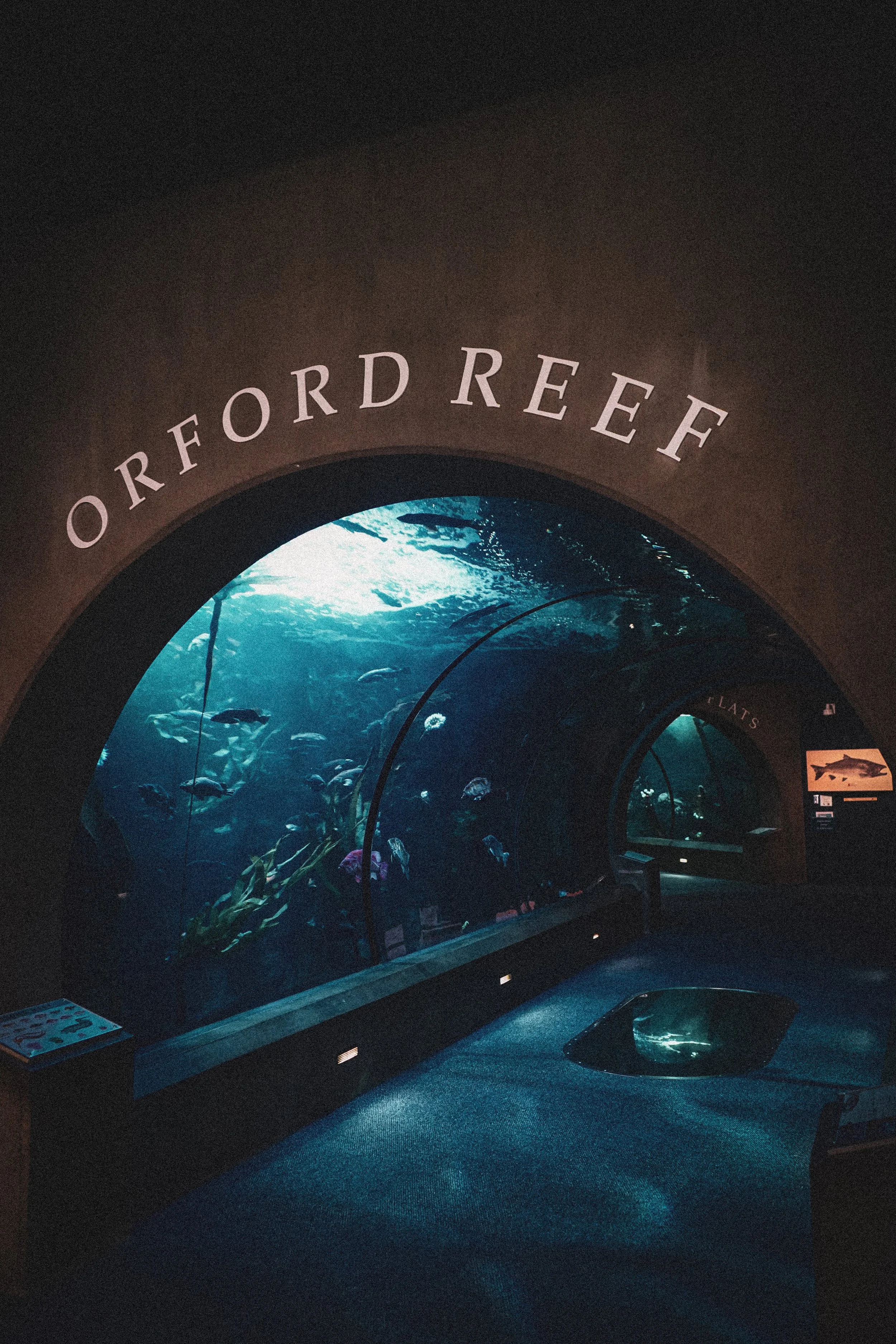
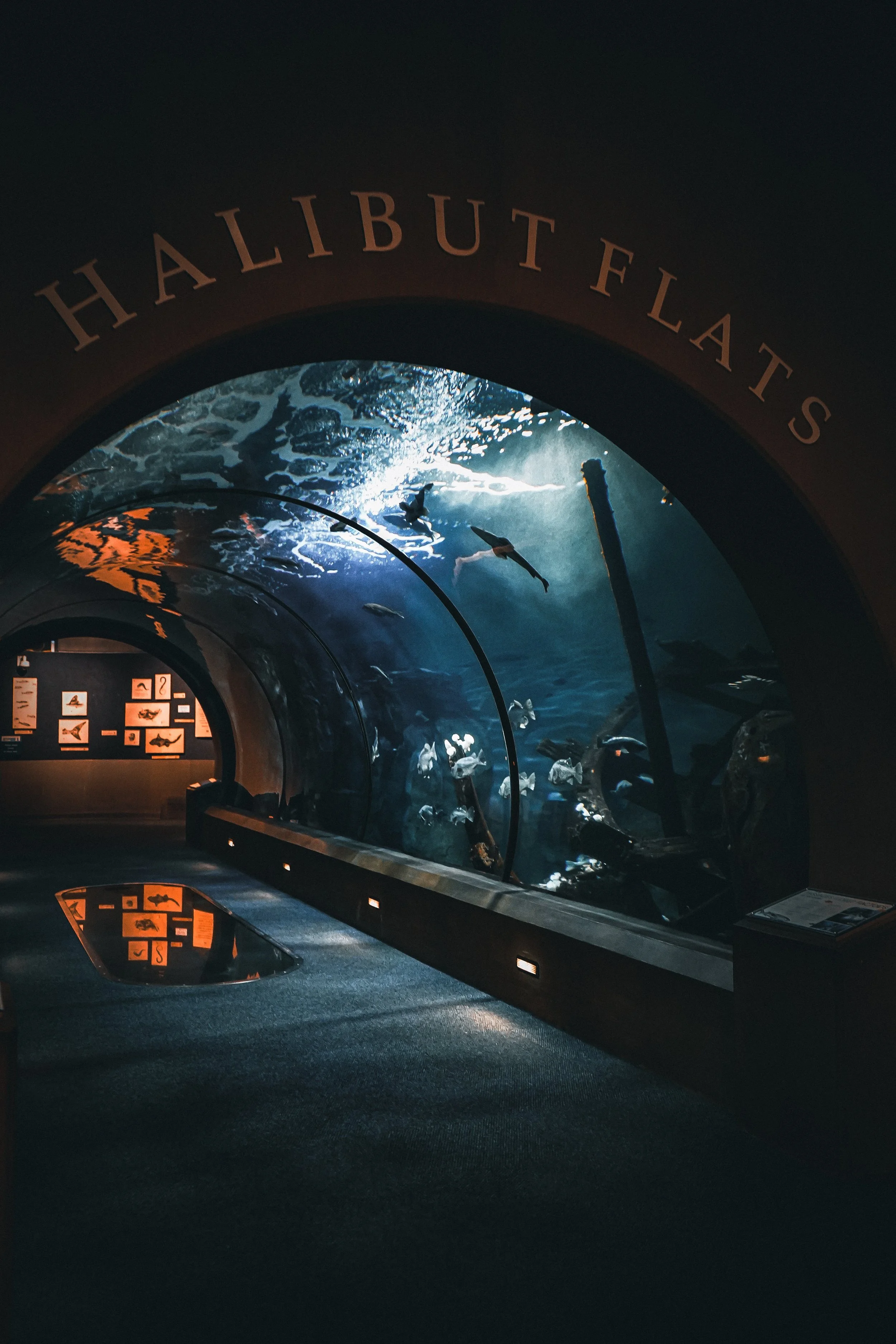
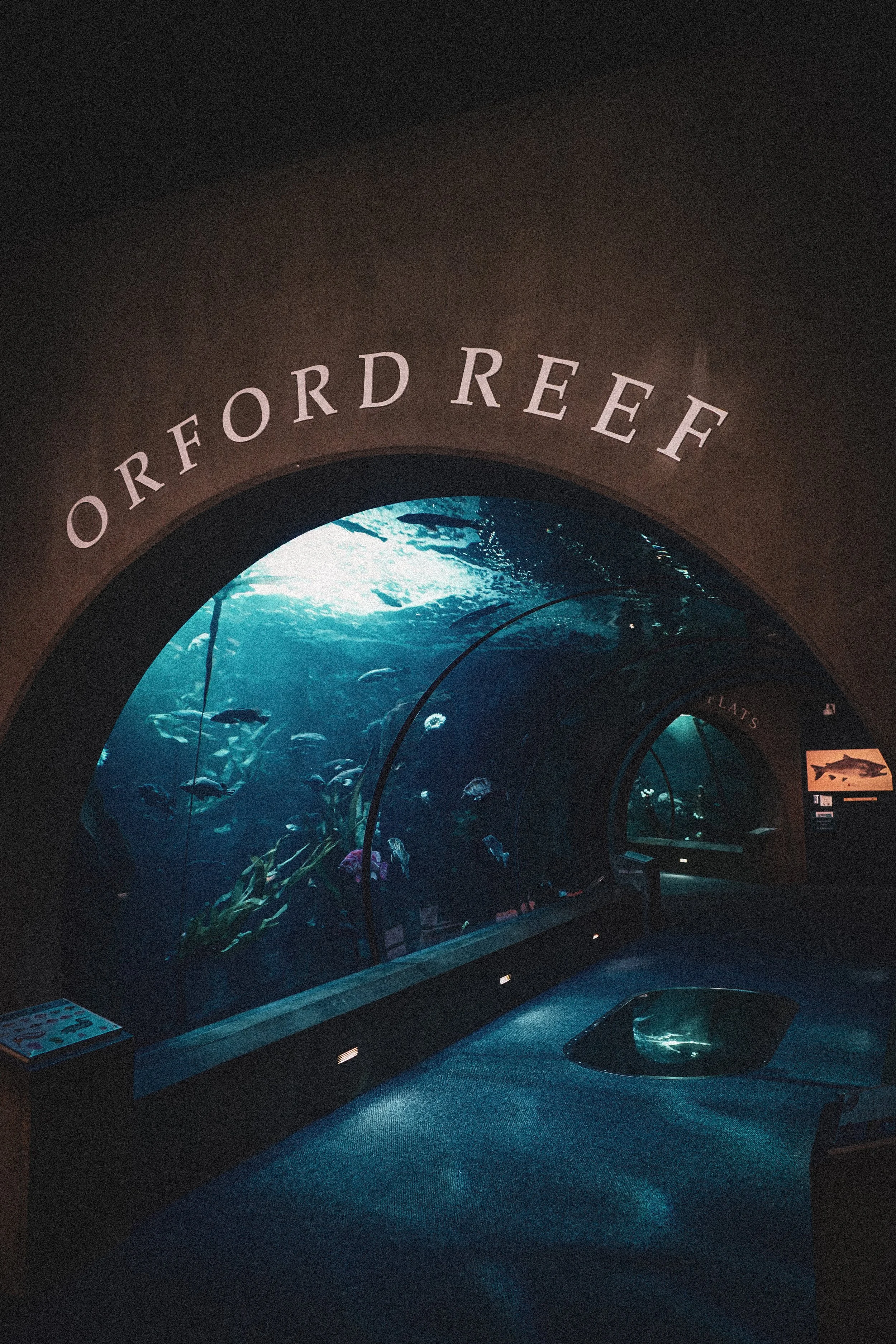
One of the aquarium’s most immersive experiences is Passages of the Deep, the underwater tunnel system built from the large ocean habitat that once housed Keiko during his rehabilitation in the late 1990s.
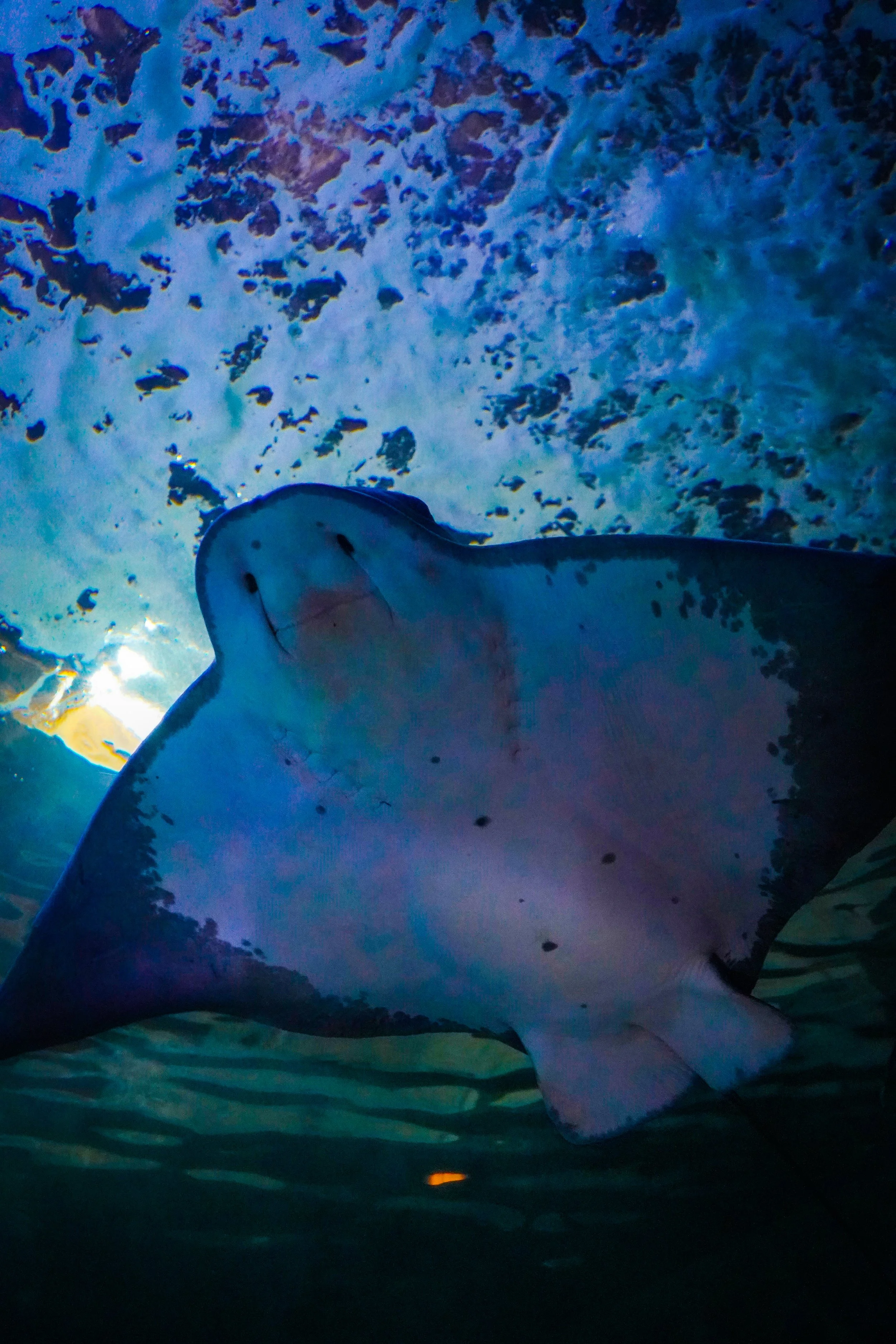
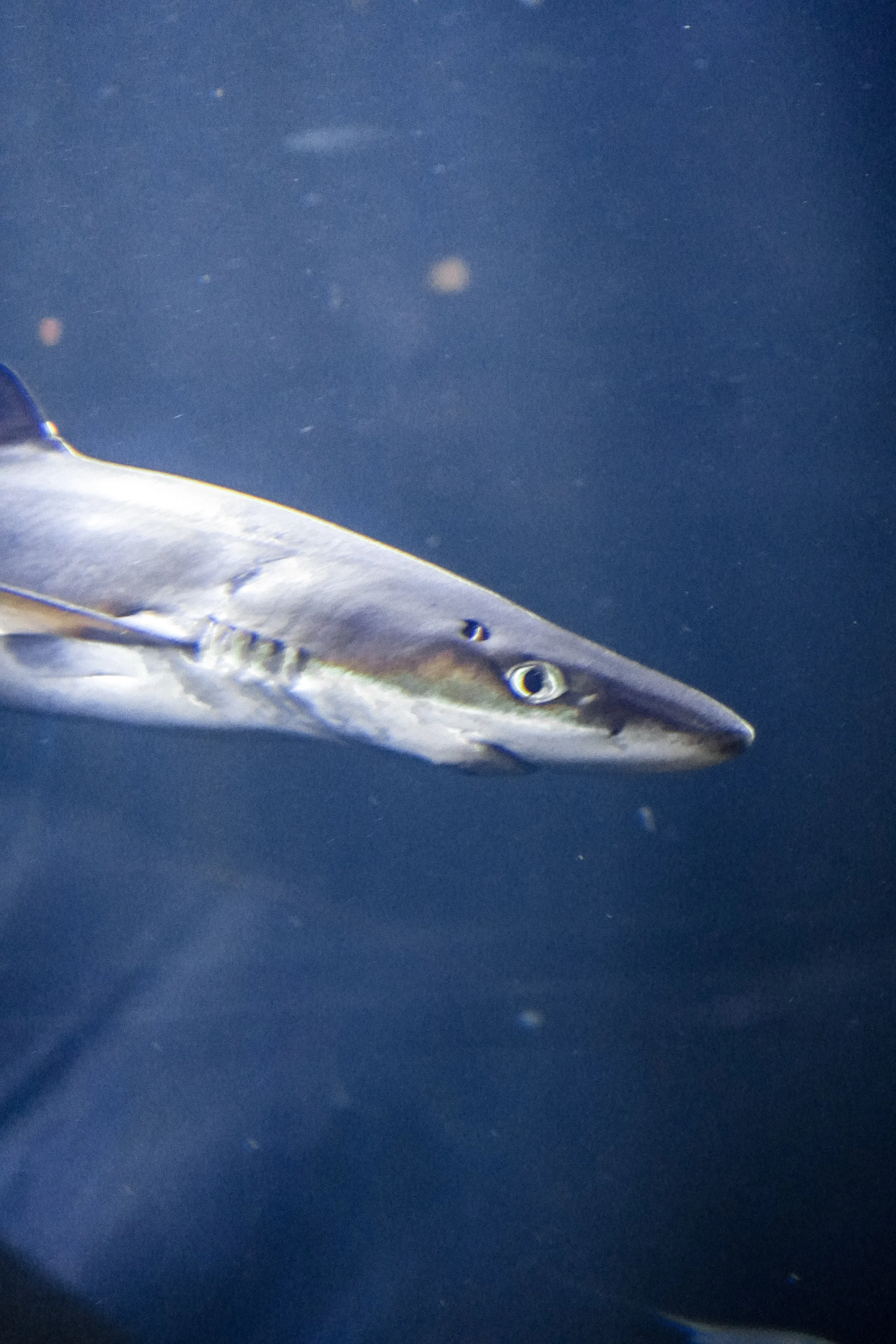
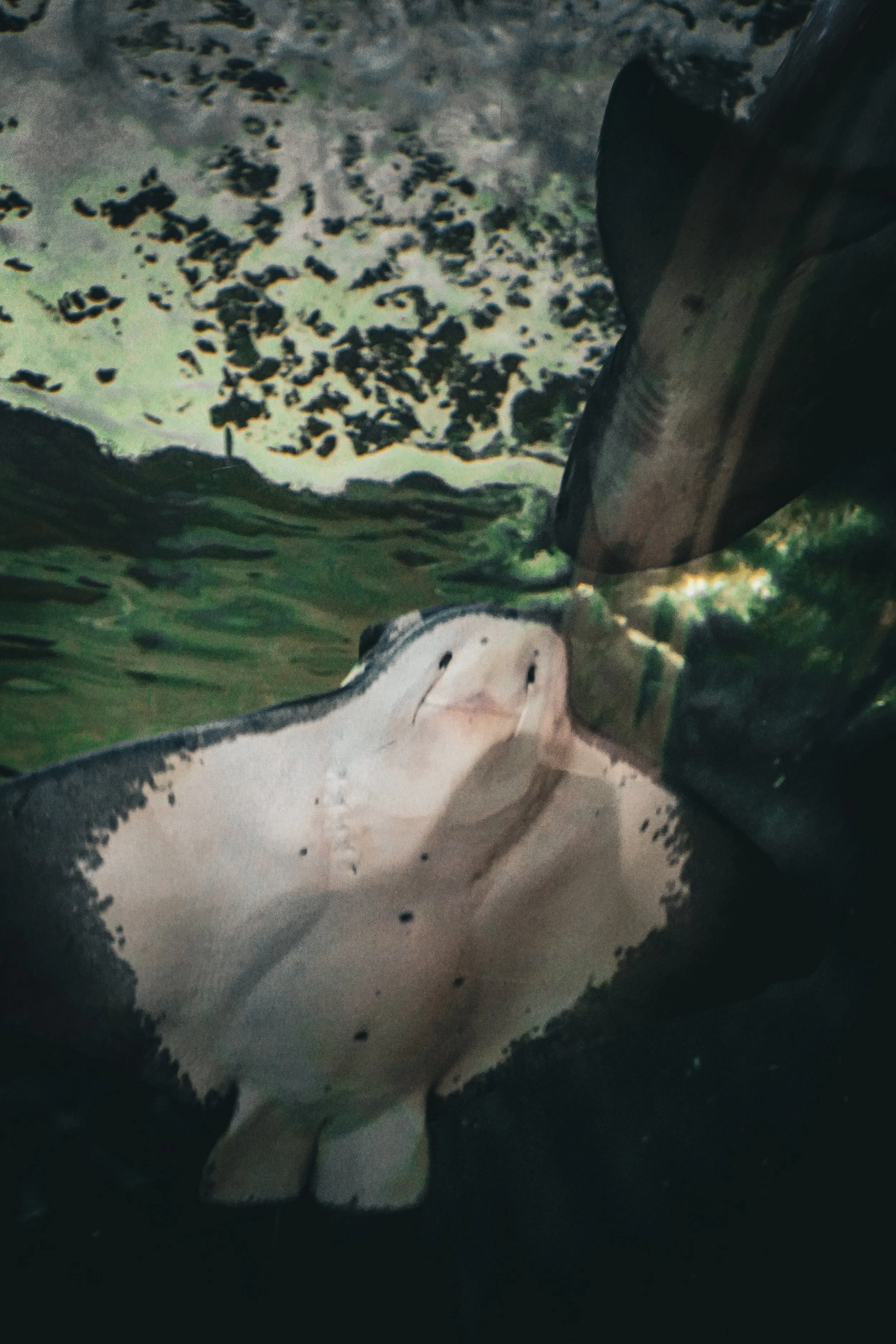
After Keiko moved on, the space was transformed into a walk-through ocean environment where visitors pass beneath sharks, rays, and schooling fish while moving through Oregon’s coastal reef and open-water systems. The exhibit is designed to teach how ocean ecosystems connect, how species depend on one another, and how understanding leads to stewardship, turning curiosity into long-term care for the living ocean.
This stretch of Newport, the aquarium , the labs, the docks, the working water just beyond the road, sits at the center of why I do this work. Once I worked for Rogue Ales, now I work for the people and this land.
My mission as Wild Oregon Girl is to defend and protect the coast by showing how every part connects, science to fisheries, education to food, people to place.
The Oregon Coast Aquarium has long modeled that approach, building care for the shoreline through knowledge and access.
Protection starts on the ground, learning names, understanding systems, and supporting the people who keep them alive. This coast belongs to all of us, and it depends on informed, shared stewardship.
Winter Waters & Local Ocean Seafare Brunch
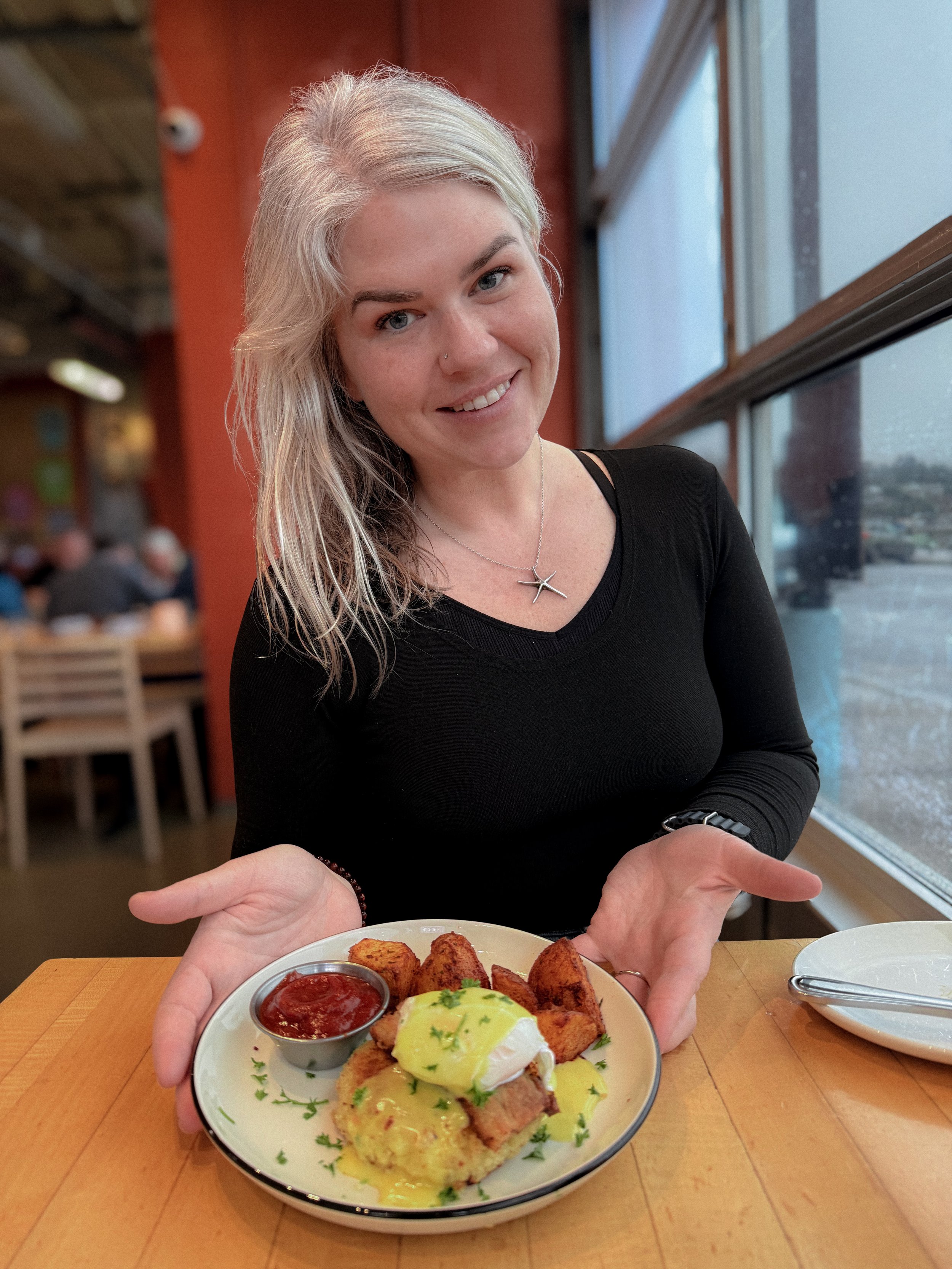
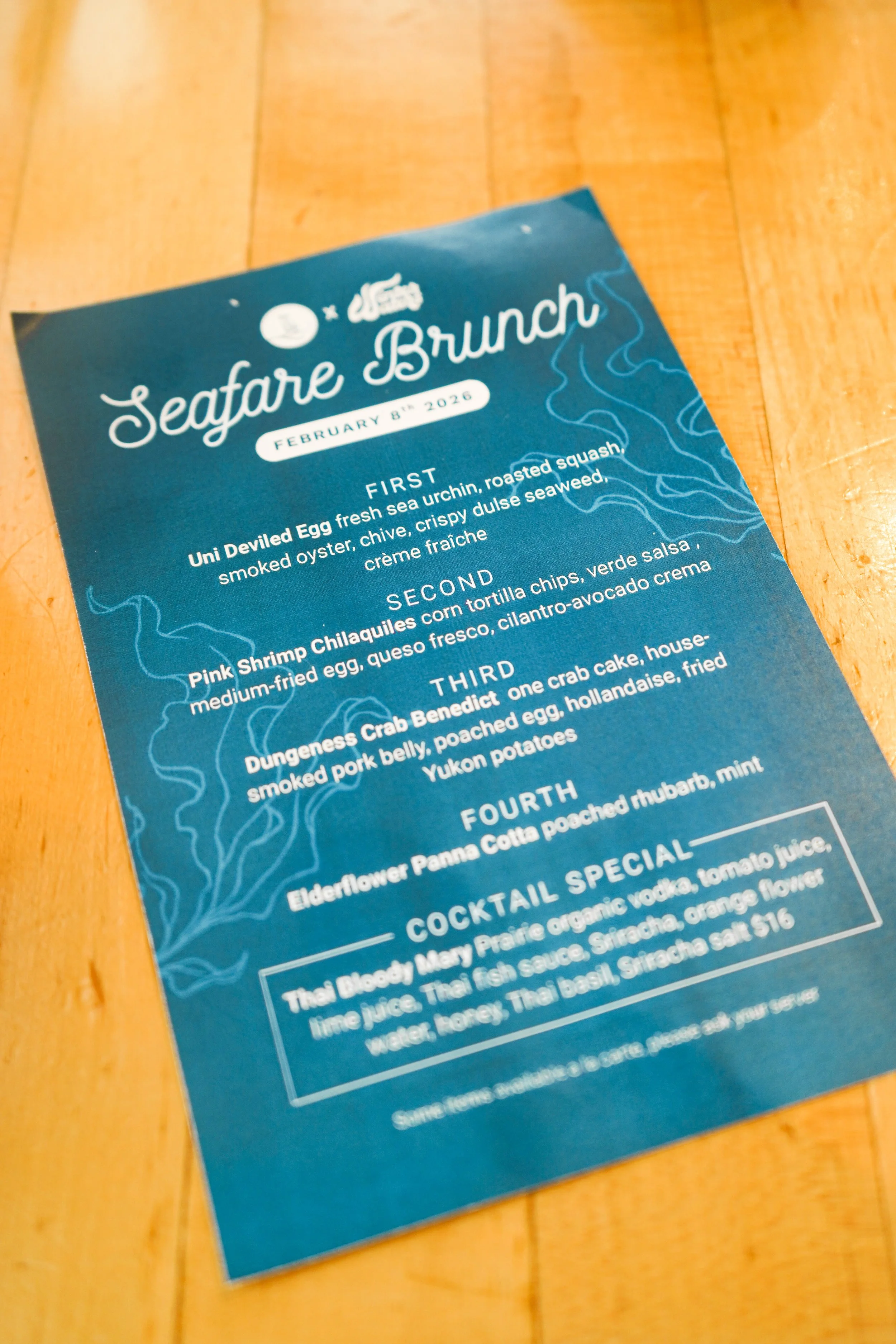
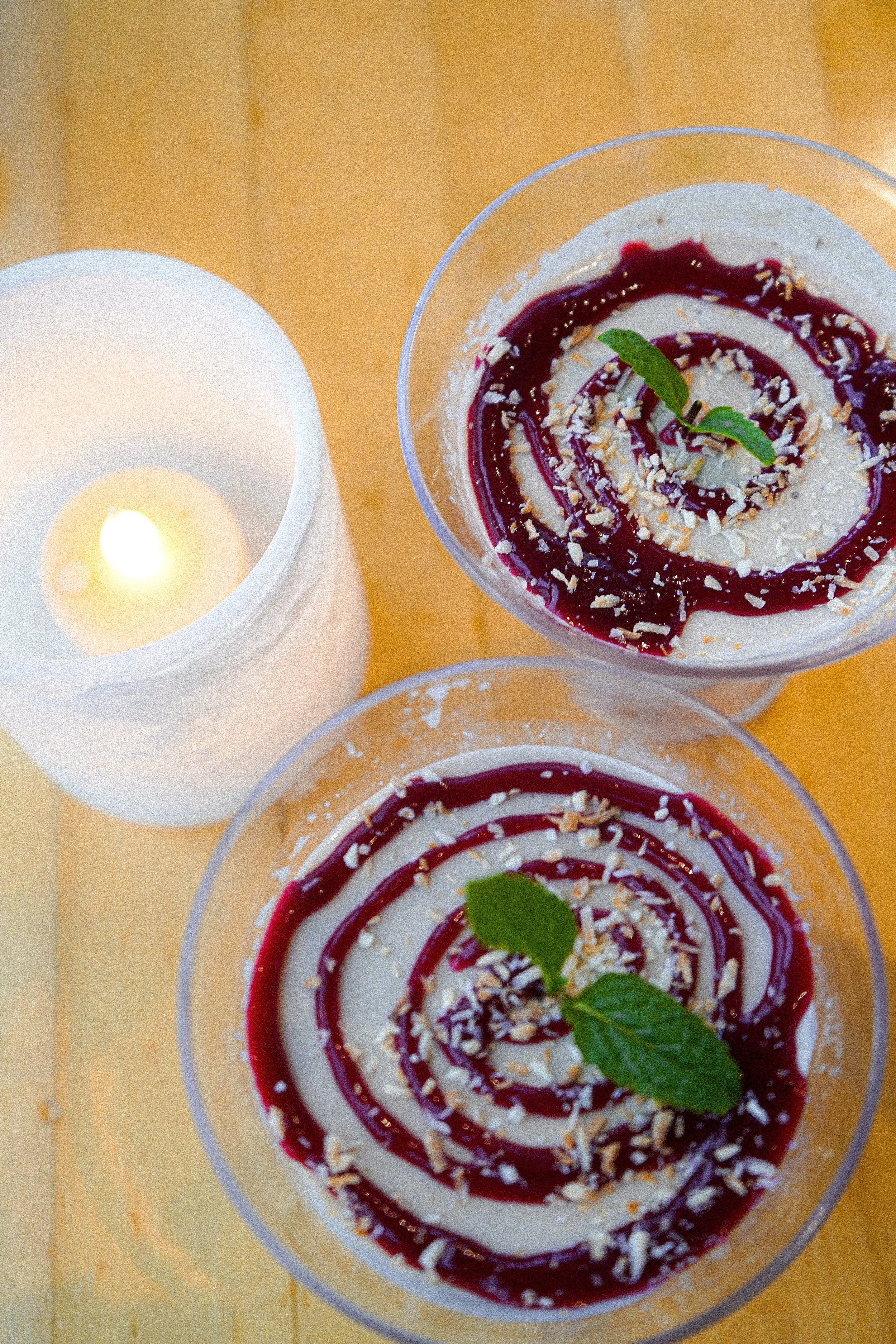
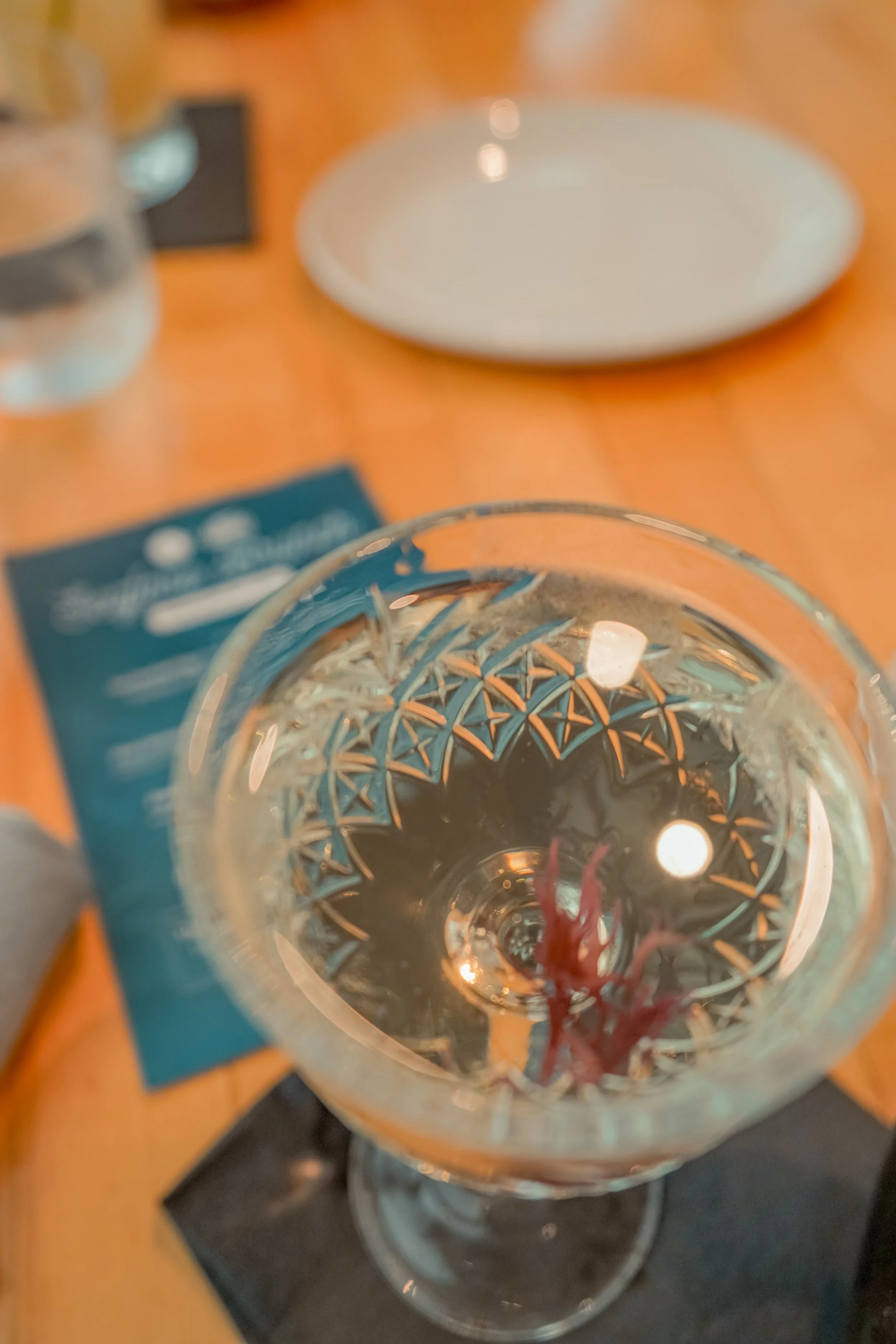

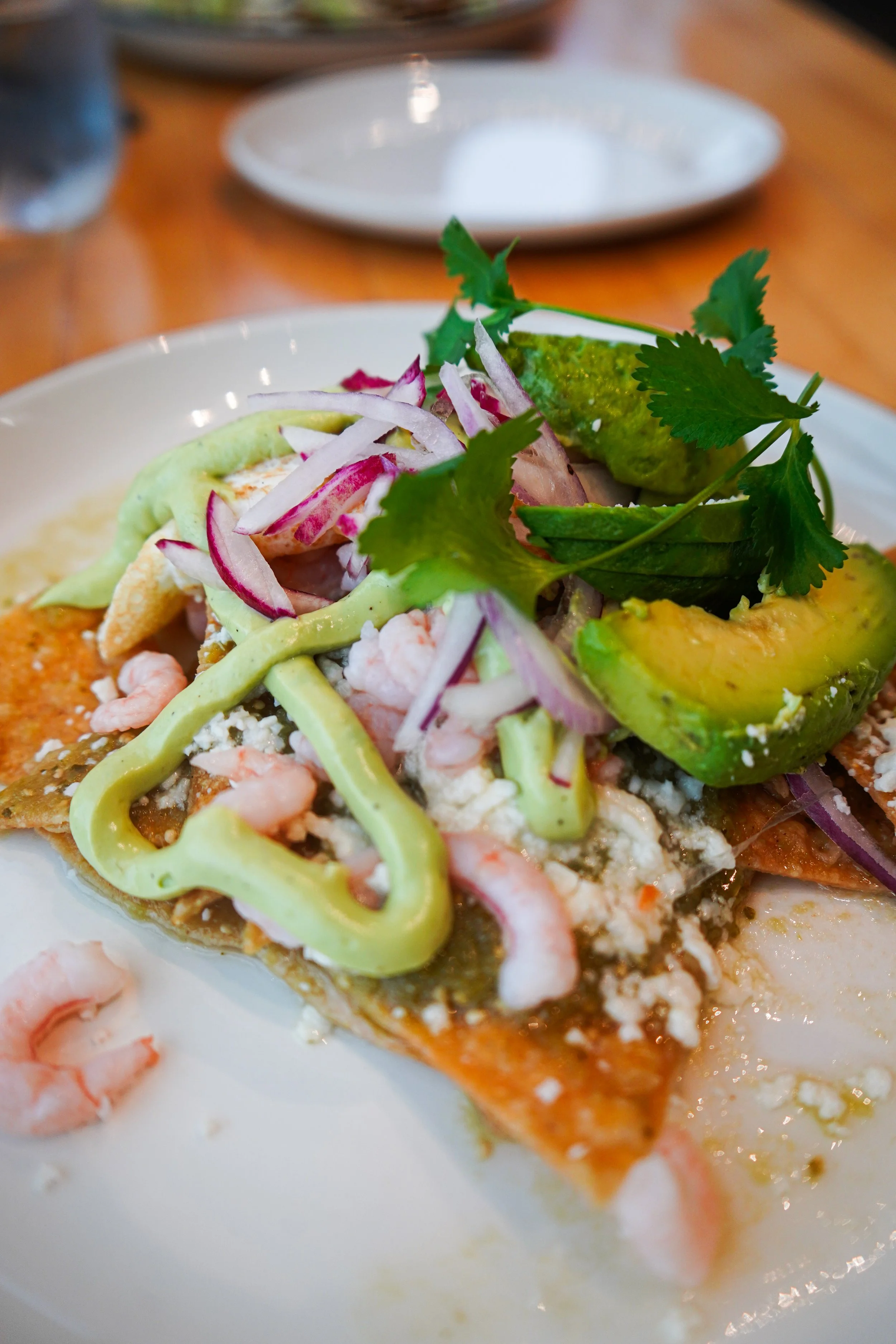
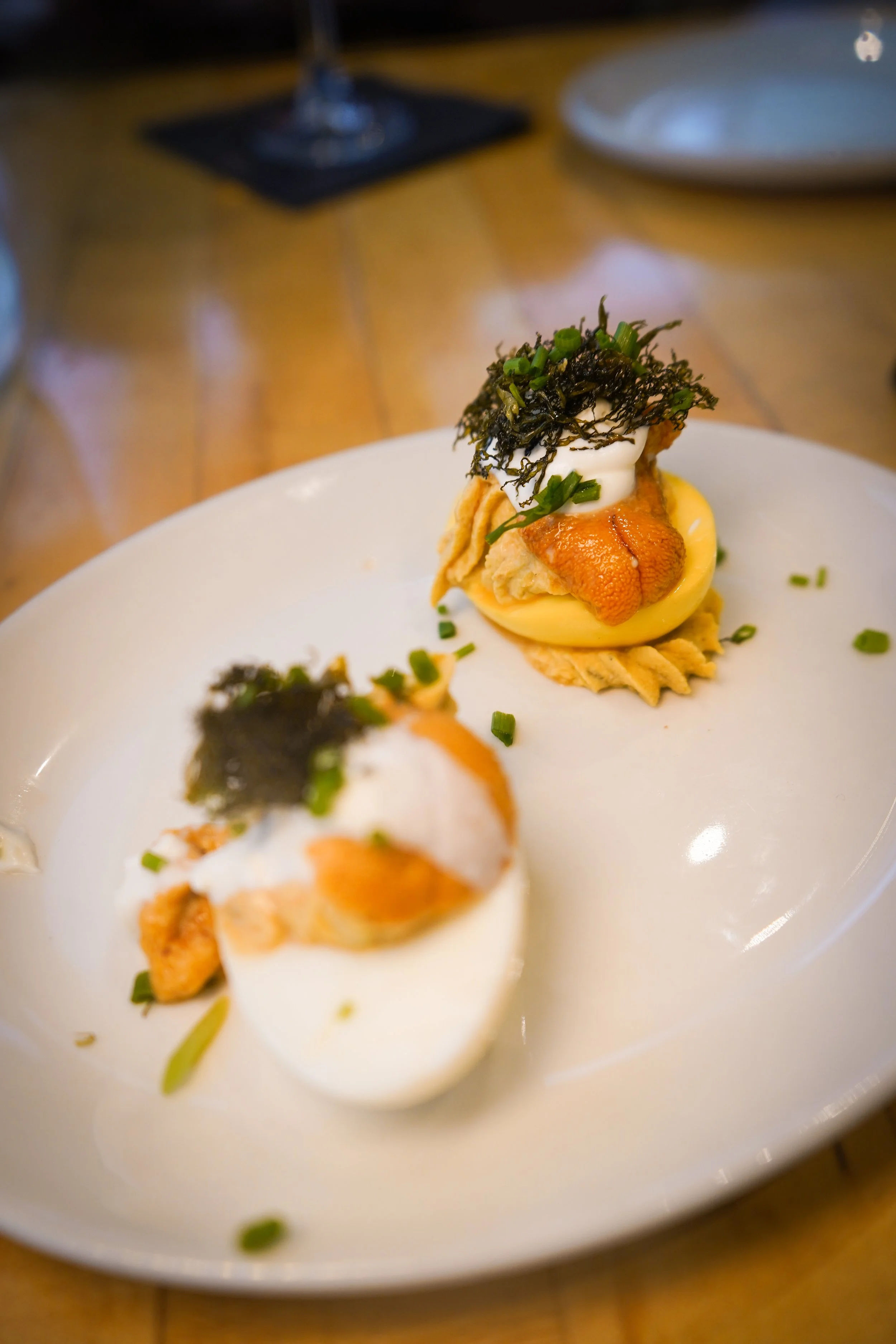
The highlight of Winter Waters was the Seafare Brunch at Local Ocean Seafoods, a clear expression of Oregon’s fishery-to-table system. The restaurant sits above a working seafood processing floor on Newport’s bayfront, where boats unload just outside and much of the catch moves only yards before reaching the kitchen.
The menu follows what Oregon fishermen land and reflects the state’s coastal waters on the plate. We began with a uni deviled egg layered with smoked oyster and sea greens, tying together species from both wild harvest and regenerative ocean farming.
Oregon pink shrimp chilaquiles highlighted one of the state’s most abundant and sustainably managed fisheries.
The Dungeness crab benedict honored Oregon’s most iconic and valuable coastal harvest. Each dish traced a real Oregon connection, ocean conditions, fishing communities, processors, and coastal food traditions all meeting at one table.
Local Ocean works directly with Oregon boats and builds the menu around season, species, and transparency. This model keeps the supply chain local, supports coastal jobs, and reinforces responsible fisheries that have shaped Oregon’s coast for generations
The best seafood is the seafood that is here, now, and responsibly harvested.
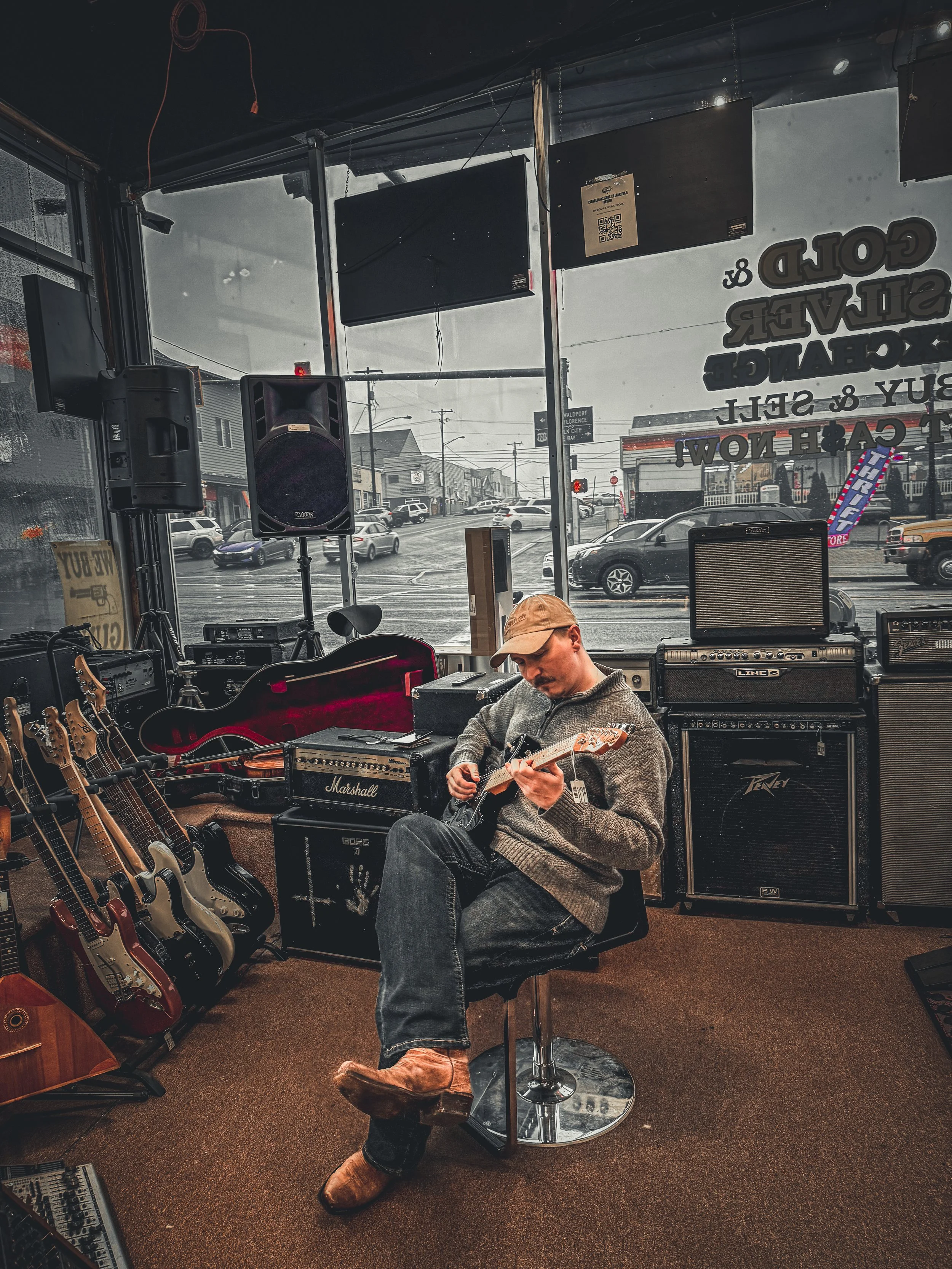
Have to stop into the local pawn to look for treasures (aka, guitars)
Winter Waters revealed how the coast functions as a living system, science guiding stewardship, community sustaining the ocean, and knowledge shaping care for the future.
In quieter moments, another layer appears, the inner work that mirrors the outer systems. Sound moves through the body much like tide moves through a bay, restoring balance, creating subtle shifts that widen over time.
As Dr. Sylvia Earle reminds us, “No water, no life. No blue, no green.” Jacques-Yves Cousteau wrote, “People protect what they love, they love what they understand.”
Together, these ideas form the lesson carried home from this coast, care begins with awareness, connection builds community, and small ripples, whether in water, sound, or action, sustain the living ocean and the people bound to it.
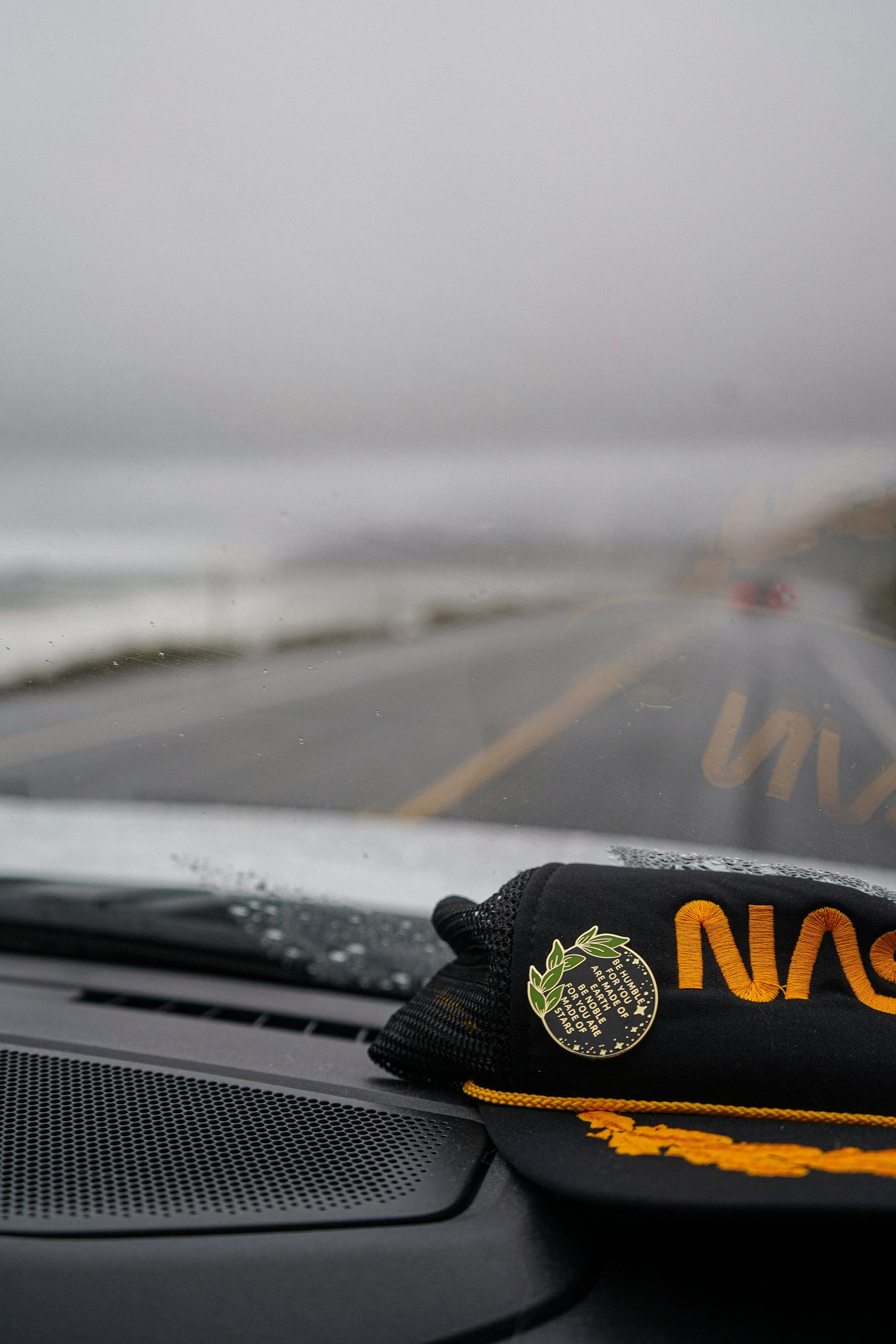
We are stardust. We are golden.
Salishan Coastal Lodge is located along Highway 101 on Oregon’s central coast, overlooking Siletz Bay between Lincoln City and Newport. Opened in 1965 by timber pioneer John D. Gray, the lodge was designed to blend into the surrounding coastal forest rather than dominate it, with low cedar buildings spread across roughly 250 acres of estuary, shoreline, and shore pine landscape. Today the property operates under the Soul Community Planet (SCP) hospitality model, emphasizing environmental responsibility, wellness, and community connection. On site are miles of walking trails, a full service spa and wellness program, aerial adventure park, indoor and outdoor recreation, a Scottish links style golf course, and dining that highlights regional ingredients. Its location places guests directly within the Siletz Bay National Wildlife Refuge ecosystem and minutes from the working ports, research centers, and coastal communities that shape Oregon’s central coast.
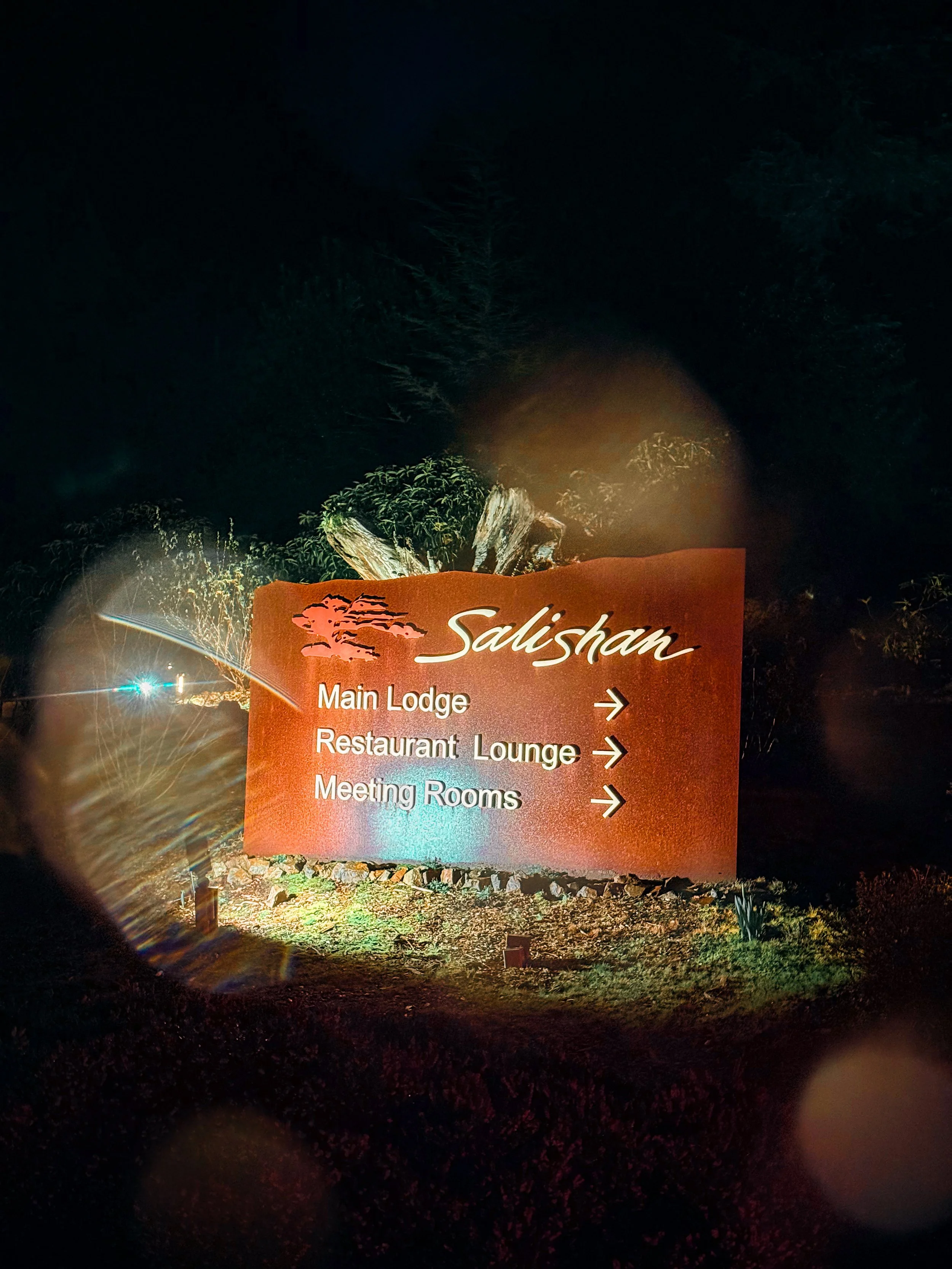
Until the next tide….